
Rose
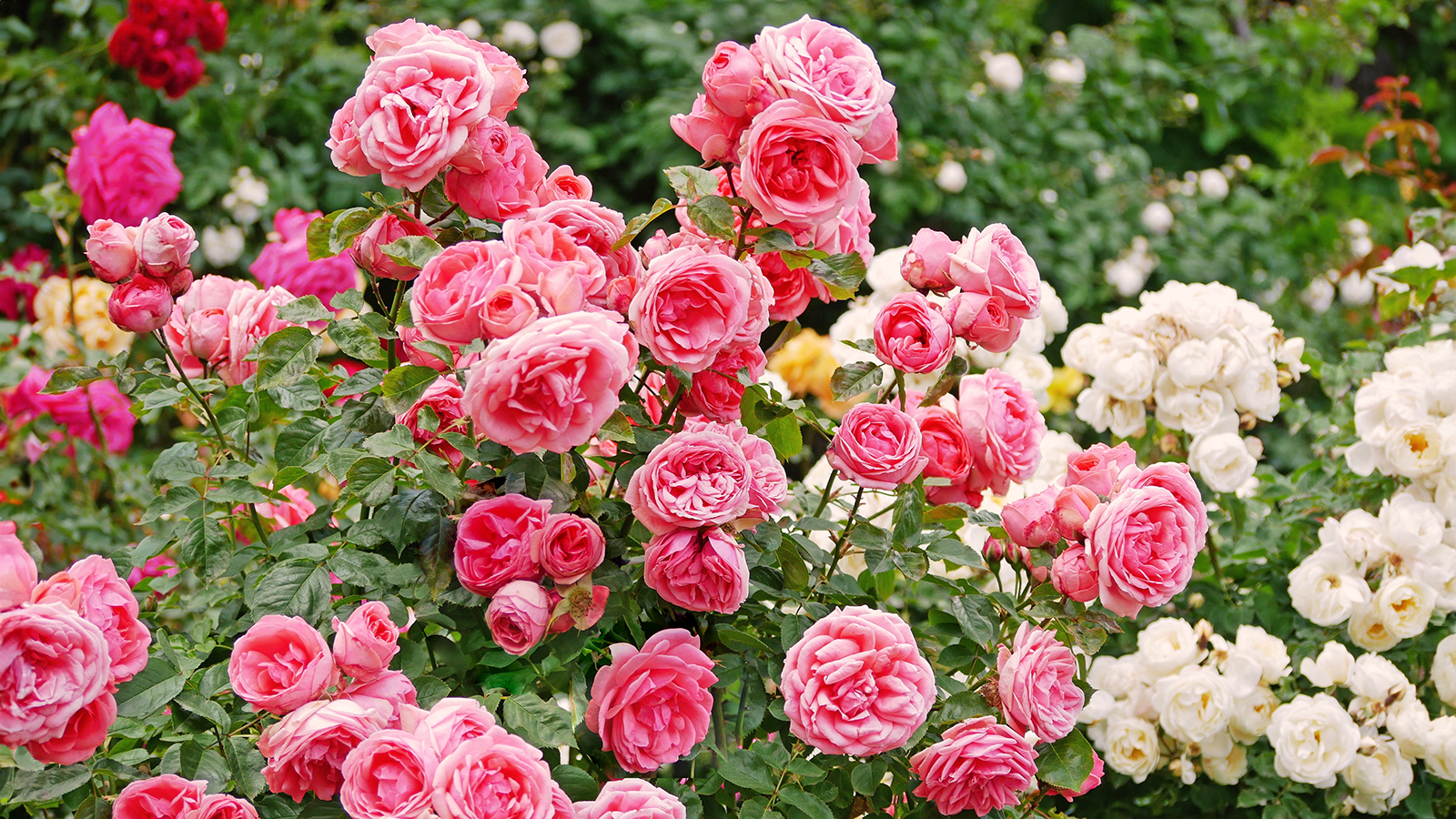


Evolutionary History & Cultivation
The rose has been cultivated for millennia, originating largely in Asia, with significant wild species also native to North America and Europe. Universally recognized for their striking beauty and fragrance, roses hold profound cultural, romantic, and spiritual significance globally.
Botanical Proliferation
Native primarily to the temperate regions of the Northern Hemisphere, modern horticultural practices have yielded thousands of distinct hybrids, including hybrid teas, floribundas, and climbers. Historically, they have been extensively utilized in the creation of perfumes (such as attar of roses), cosmetics, and medicine due to the high vitamin C content found in their fruit (rose hips) and the antioxidant properties of their petals.
Ethnobotanical & Landscape Usage
Landscape Design
Extensively utilized in landscape architecture for formal garden beds, protective boundary hedges, vertical climbing trellis displays, and premium cut production for the floral industry.
Culinary & Apothecary
Rose hips are an exceptional source of Vitamin C, historically used to combat scurvy and support immunity. Petals contain flavonoids and polyphenols for anti-inflammatory applications and are edible across teas, salads, and sweets.
Spiritual & Cultural
Serves as a universal symbol of love, purity, and devotion across cultures. Features historical associations with Aphrodite and the Virgin Mary, and features prominently across traditional Sufi poetry.
Propagation Systems
Most reliably multiplied via hardwood or softwood stem cuttings, budding, and structural grafting onto hardy rootstock systems. Complex seed propagation will not grow true to parent hybrids.

- Irrigation Dynamics: Water in the early AM directly at the plant base. Requires roughly 1 inch (25mm) of water weekly during active growth; soil must remain consistently moist but never waterlogged.
- Environmental Tolerances: Demands 6 to 8 hours of direct, full sunlight daily. Thrives in ambient temperatures between 15–28°C (60–82°F) on slightly acidic soil (pH 6.0–6.5) across USDA Zones 3–10.
- Fungal and Insect Vectors: Highly vulnerable to black spot fungus (dark leaf markings), powdery mildew (white coating), and active aphid colonies targeting new soft plant tissue.
- Space & Pruning Protocols: Clear spacing of 90–120 cm between plants is vital to ensure adequate air circulation to prevent fungal growth. Annual pruning is required in late winter to stimulate spring growth.
- Structural Armor & Stems: Stems are distinctly woody and armed with sharp, downward-curving prickles (epidermal outgrowths acting as anti-herbivore defenses). Growth forms span erect bushes, climbers, and miniatures.
- Foliage Configuration: Features alternate, pinnately compound leaf patterns typically showing 5 to 7 oval, sharply serrated leaflets.
- Floral Architecture & Size: Wild variations display exactly 5 petals, while cultivated variants yield dense, multi-layered double blooms ranging from 0.5 inches up to 7 inches in diameter. Protected by 5 sepals on a green receptacle base. Color spectrum excludes true blue/black.
- Fragrance Compounding: Synthesizes intricate volatile organic groups (like citronellol) that deliver a highly complex, sought-after aroma profile predominantly active during development.
- Fruit Ripening Chronology: Receptacle swells post-pollination in mid-summer, slowly transforming into a glossy red or deep orange seed-filled cup called a rose hip by autumn. Flowers are harvested in the early morning as buds open; hips are picked in late autumn after light frost sweetens them.
- Climatic Dormancy: Suspends active vegetative growth and enters a structured period of winter dormancy within colder and temperate climate profiles.
True roses (Rosa spp.) are classified as completely non-toxic to humans, dogs, cats, and horses. They present absolutely zero chemical ingestion hazards to residential household environments.
Ingestion Vector
Completely safe and non-hazardous upon consumption. Safe for active households with indoor pets.
Name Confusion
Be aware that other toxic species share the common name "rose" (e.g. Desert Rose, Primrose). True Rosa variants remain perfectly benign.
⚠️ Mechanical Hazard
The primary hazard stems from mechanical injury. Sharp prickles can cause deep cutaneous scratches, eye puncture hazards, or localized bacterial skin infections if handled without protective gardening gloves.