
Family: Araceae Lifespan: Perennial (Long-Lived)

Monstera Deliciosa

Monstera deliciosa
🌿 Iconic Fenestrations ✨ Tropical Statement ⚠️ Toxic (Do Not Ingest)

Origins & Nomenclature
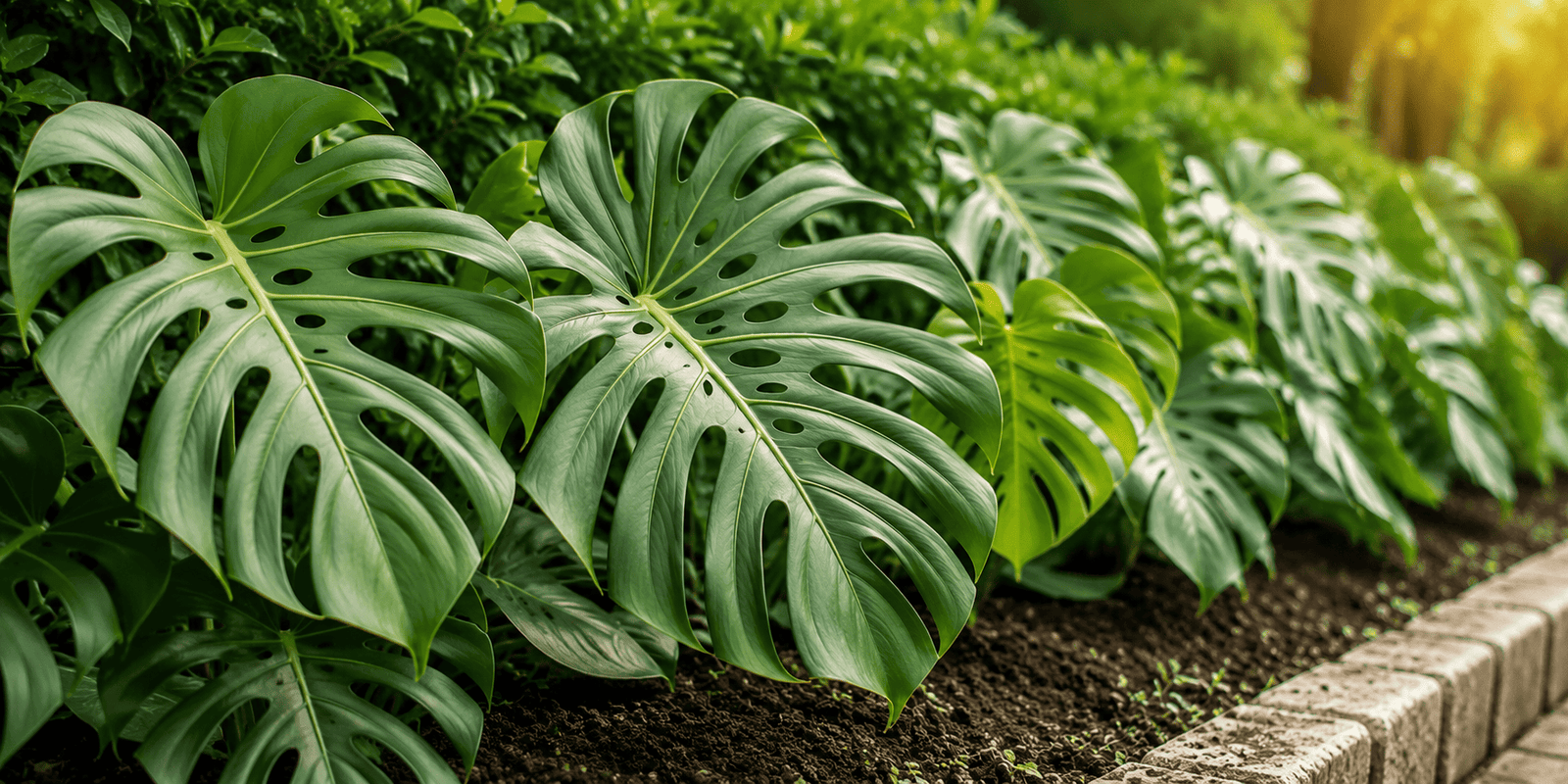
Monstera deliciosa, a member of the Araceae family, is native to the tropical rainforests of southern Mexico and Central America. Its name, "deliciosa," refers to the edible, pineapple-flavored fruit it produces in its natural habitat. The species is defined by its dramatic, perforated leaves—a biological adaptation known as "fenestration," which is believed to maximize sunlight capture on the forest floor while allowing high winds to pass through the canopy without damaging the plant.

Growth & Botanical Habits
As an aggressive hemiepiphyte, Monstera deliciosa begins life on the ground before climbing toward the forest canopy using aerial roots to anchor itself to massive tropical trees. In a home environment, this translates to a vigorous, climbing habit that requires robust support as it matures. Over time, its leaves can reach incredible sizes, sometimes spanning several feet wide. Beyond its iconic visual presence, it is a highly resilient species that has become a fundamental element of modern interior design, appreciated for its architectural structure and relatively simple care requirements in brightly lit spaces.

Cultural & Practical Usage

Interior Design & Statement

The Monstera deliciosa is a cornerstone of modern interior design, favored for its large, architectural leaves and dramatic fenestrations. It serves as a striking "statement" plant, capable of transforming a room with its lush, tropical, and sculptural presence.

Edible Fruit Utility

In its native tropical range, the plant produces an edible, cone-shaped fruit that tastes like a hybrid of pineapple and banana. Consuming it requires patience, as the fruit is highly irritating if eaten before it is fully ripe, when the calcium oxalate crystals have dissipated.

Trellising & Support

Given its natural climbing habit, providing a moss pole or similar vertical support structure is essential for mature plants. This practice encourages the development of larger, more mature leaves with more complex fenestrations, mimicking its growth in the tropical wild.

Propagation Methods

Propagating Monstera is straightforward using stem cuttings. Each cutting must include a "node" (the bump on the stem where a leaf or root emerges). Placed in water or damp perlite, these cuttings will grow sturdy root systems, allowing you to easily start new plants.

Monstera Deliciosa interior display
Tropical Foliage Display
  • Watering Guidelines: Allow the top 2-3 inches of soil to dry out between waterings. Monstera prefers consistent moisture but is highly susceptible to root rot if left in saturated, poorly draining soil.
  • Growth Conditions: Thrives in bright, indirect sunlight. Direct morning sun is generally tolerated, but harsh afternoon sun can scorch the delicate leaves. Use a high-quality, airy, and chunky potting mix that provides excellent drainage and airflow.
  • Vulnerabilities: Generally resilient but can be affected by common houseplant pests like spider mites, thrips, and scale. Ensure good ambient humidity; brown, crispy leaf edges often indicate air that is too dry.
  • Growth Habit: A vigorous hemiepiphyte. In the wild, it starts on the forest floor and climbs towards the canopy. Indoors, it requires sturdy support (like a moss pole) to reach maturity.
  • Root System: Produces heavy, fleshy primary roots in the soil, alongside significant aerial roots that serve to anchor the plant and absorb ambient moisture.
  • Leaf Structure: Iconic, heart-shaped leaves that undergo a process of "fenestration"—developing natural splits and holes—as the plant matures and receives adequate light.
  • Foliage Detail: Leaves are deep green, glossy, and leathery. The distinct fenestrations are an evolutionary trait thought to allow light to reach lower foliage while minimizing wind damage.
  • Stem Characteristics: Stems are thick, woody at the base as the plant ages, and segmented with prominent nodes from which leaves and aerial roots grow.
  • Developmental Maturity: Younger plants exhibit solid, un-fenestrated leaves. The "Swiss Cheese" look is a marker of a healthy, maturing plant that has reached a sufficient size.
SAFETY: TOXICITY WARNING

Toxic if Ingested: The Monstera deliciosa contains insoluble calcium oxalate crystals. All parts of the plant, including leaves and stems, are toxic to both humans and pets if ingested, causing significant oral and digestive irritation.

To Humans & Children

Ingestion leads to immediate burning, severe swelling of the mouth and throat, and potential difficulty breathing or swallowing. Keep well out of reach of children and toddlers.

To Household Pets

Toxic to cats and dogs. Ingestion causes intense oral irritation, excessive drooling, vomiting, and refusal to eat due to pain. Consult your veterinarian immediately if you suspect your pet has eaten any part of the plant.

Handling & Safety Protocol

Ensure the plant is kept in areas inaccessible to curious pets and small children. When pruning, wear gloves to prevent potential skin irritation from the sap, and thoroughly wash your hands after maintenance.


Monstera foliage
Toxic Ornamental

Small efforts save a dying plant.

Get instant botanical diagnostics, precise care timetables, and expert structural advice tailored to support your garden's health daily.

Download PlantDecoder App Now

Frequently Asked Questions

Common botanical queries and troubleshooting instructions for Monstera deliciosa.

Why are the leaves turning yellow?
Yellowing leaves are most commonly caused by overwatering or soil that stays too soggy. Ensure the pot has proper drainage holes and allow the top 2-3 inches of soil to dry out completely before watering again.
Why do my leaves not have holes (fenestrations)?
Leaf fenestrations are a sign of a mature, healthy plant receiving adequate light. Young plants may have solid leaves. Ensure your plant is in a bright, indirect light spot; without enough energy, it won't produce the iconic splits.
What do the aerial roots do?
Aerial roots are natural appendages used by the plant to anchor itself to trees in the wild. Indoors, you can tuck them back into the soil, let them grow into a moss pole, or simply trim them back if they become unruly without harming the plant.
How often should I water my Monstera?
Water when the top two inches of soil are dry. In the growing season (spring/summer), this might be weekly, while in winter, it could be every two weeks. Always adjust based on your home's specific light and temperature.
Why are there brown spots on the edges?
Brown, crispy edges often indicate low humidity or inconsistent watering. Monstera are tropical plants; if the air in your home is very dry (especially in winter), consider using a humidifier or a pebble tray to boost moisture levels.
Are Monstera plants toxic?
Yes, Monstera deliciosa is toxic to pets and humans if ingested. It contains calcium oxalate crystals which cause significant oral irritation, swelling, and digestive distress. Keep out of reach of children and pets.
Does it need direct sunlight?
No, bright, indirect light is best. Direct, harsh sunlight—particularly in the afternoon—can quickly scorch the large leaves, resulting in permanent brown patches.
How do I clean the large leaves?
Because of their size, Monstera leaves collect dust easily, which blocks light. Wipe leaves gently with a soft, damp cloth every few weeks to keep them clean, healthy, and able to photosynthesize efficiently.
What kind of fertilizer should I use?
Use a balanced liquid fertilizer (like a 20-20-20) once a month during the growing season (spring and summer). Do not fertilize during the winter months when the plant's growth slows down significantly.
How do I support the plant as it grows?
As a natural climber, a moss pole or coco coir stake is highly recommended. Secure the main stems to the pole with soft garden twine; this helps the plant grow upright and encourages the development of larger, more mature leaves.