
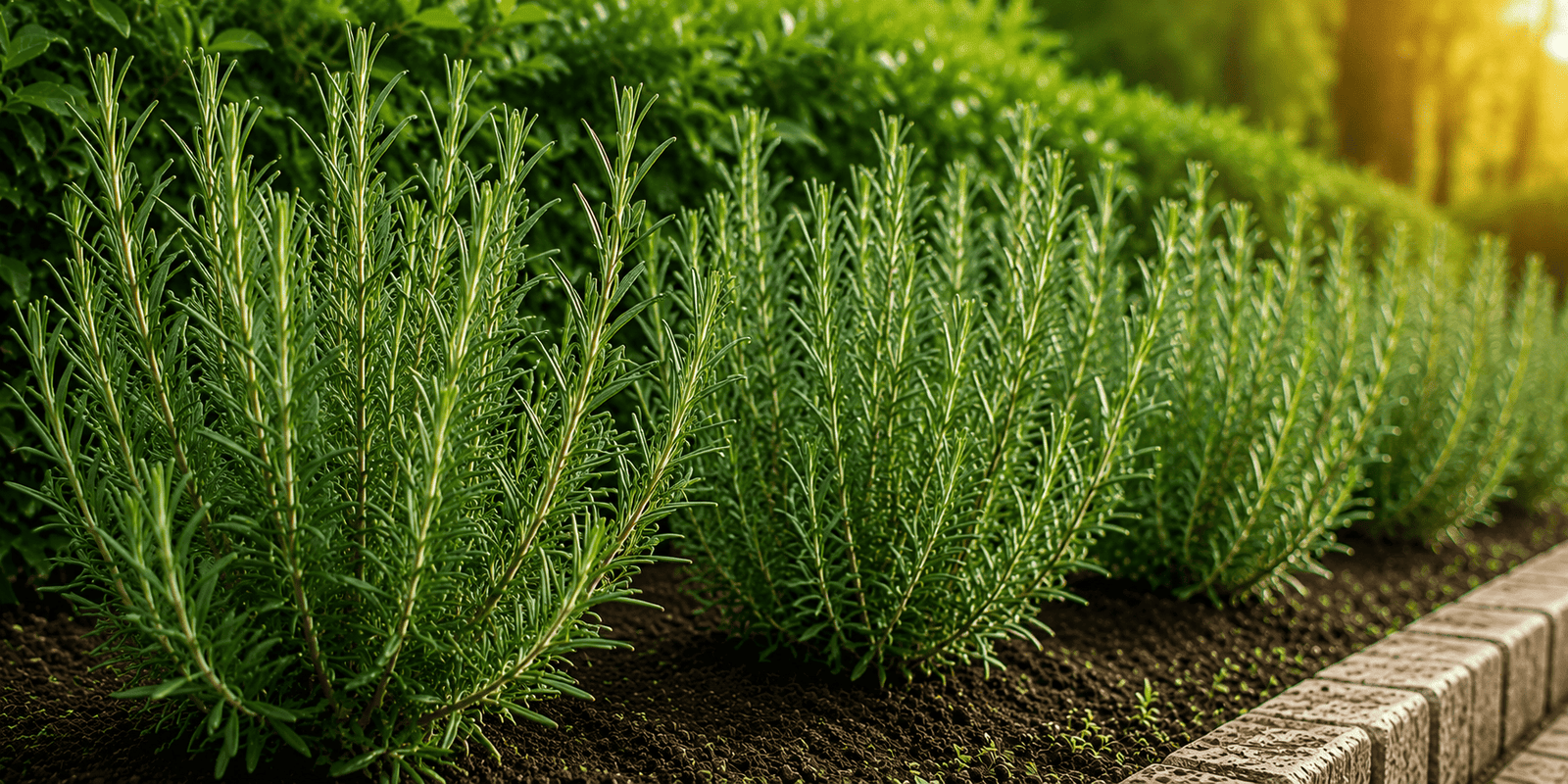
Rosemary
History & Linnaean Nomenclature
Rosemary (Salvia rosmarinus, formerly Rosmarinus officinalis) derives its name from the Latin ros marinus, meaning "dew of the sea," referring to its native Mediterranean coastal habitats where it thrives in salty, misty air. Carl Linnaeus originally classified it in the genus Rosmarinus, but modern botanical reclassification has placed it within the genus Salvia. Known for its needle-like, evergreen leaves and potent fragrance, this woody perennial herb has been utilized for centuries as a culinary staple, a symbol of remembrance in folklore, and a potent botanical in traditional medicine.
Botanical Culture & Distribution
Native to the Mediterranean basin, rosemary is an essential component of the "maquis" shrubland landscape. Its evolution in harsh, rocky, and dry climates has made it remarkably drought-tolerant and hardy. Culturally, it has been revered since antiquity; ancient Greeks and Romans regarded it as sacred, using it in ceremonies and as a medicinal aid for memory and clarity. Today, it is a global kitchen staple, valued for its complex, piney flavor profile and its exceptional utility in sustainable gardening as a low-water, high-reward plant that thrives in full sun.
Cultural & Practical Usage
Garden & Landscape Utility
Rosemary is a versatile garden staple, perfect for drought-tolerant xeriscaping, aromatic herb borders, or as a hardy, evergreen privacy hedge. It serves as an excellent foundational plant that provides year-round structure and attracts beneficial pollinators like bees.
Culinary & Holistic Uses
A cornerstone of Mediterranean cuisine, rosemary leaves are used fresh or dried to flavor roasted meats, breads, and vegetables. Holistically, it has been traditionally used in aromatherapy and infused oils to support mental clarity, focus, and circulation.
Historical & Symbolic Significance
Rosemary carries deep historical symbolism, long associated with remembrance, fidelity, and friendship. From the ancient Greek students wearing rosemary garlands to aid memory, to its use in wedding and funeral traditions, it remains a plant of enduring cultural importance.
Propagation Methods
Rosemary is easily propagated from stem cuttings taken in late spring or early summer. Cuttings root effectively in moist, well-draining media when kept in bright, indirect light, allowing home gardeners to effortlessly expand their herb collections.

- Watering Guidelines: Drought-tolerant once established. Water deeply only when the top few inches of soil have dried out. Avoid soggy soil, as rosemary is extremely prone to root rot.
- Growth Conditions: Thrives in full, direct sun (6-8+ hours daily). Demands fast-draining, sandy, or rocky soil with a neutral to slightly alkaline pH. Performs poorly in high-humidity or perpetually wet environments.
- Vulnerabilities: Primary threats include root rot from poor drainage and powdery mildew in areas with high humidity or stagnant airflow. Protect from severe, prolonged frosts in colder regions.
- Growth Habit: A woody, evergreen perennial shrub. Available in various forms, from upright, architectural specimens to prostrate, creeping varieties ideal for rock gardens.
- Root System: Develops a tough, deep, and woody root system adapted to searching for moisture in nutrient-poor, rocky Mediterranean soils.
- Leaf Structure: Needle-like, linear, and evergreen leaves. They are thick and leathery with a distinct, slightly rolled-in margin.
- Foliage Detail: The upper surface is dark, glossy green, while the underside is pale and woolly with dense, fine hairs, an adaptation to minimize water loss.
- Bloom Lifespan: Flowers are relatively long-lasting for an herb, often blooming in clusters throughout spring and early summer, attracting numerous pollinators.
- Floral Morphology: Small, two-lipped flowers in shades ranging from pale blue and lavender to white or soft pink, emerging in clusters from the leaf axils.
- Stem Characteristics: Stems are woody and highly branched, becoming increasingly gnarled and textured as the plant ages, which adds to its decorative appeal.
Generally Safe & Edible: Rosemary (Salvia rosmarinus) is classified as non-toxic and is widely used in culinary and wellness applications. It is safe for most households, including those with curious pets.
To Humans
Non-toxic and edible. Rosemary is a staple culinary herb. While safe, pregnant women should avoid excessive ingestion of rosemary essential oil or medicinal-strength extracts.
To Household Pets
Classified as non-toxic to dogs and cats by the ASPCA. While generally safe, excessive consumption of any fibrous plant material can cause mild stomach upset in some animals.
Culinary & Garden Safety
No special protective gear is required for pruning. When harvesting for kitchen use, ensure plants are grown organically and avoid applying chemical fertilizers or pesticides to plants intended for culinary consumption.
Frequently Asked Questions
Common botanical queries and troubleshooting instructions for Rosemary (Salvia rosmarinus).