
Hydrangea


- Watering Guidelines: Hydrangeas are water-loving plants. Keep the soil consistently moist but never waterlogged. Drooping leaves often signal the plant needs deep watering, particularly during hot summer afternoons.
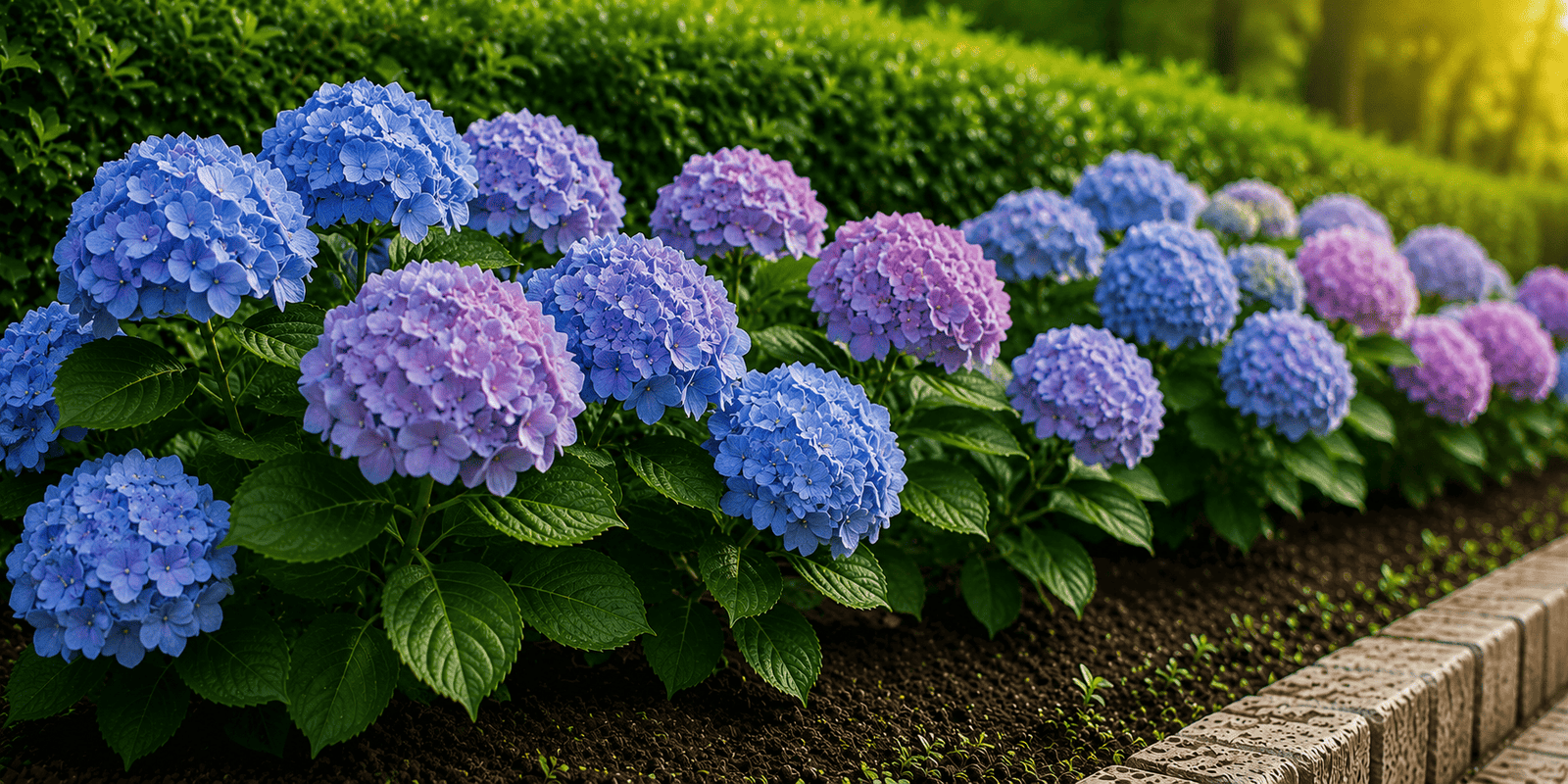
- Growth Conditions: Thrives in partial shade (morning sun, afternoon shade is ideal). Requires rich, well-draining soil with plenty of organic matter. The pH of your soil will directly influence the color of macrophylla blooms—acidic soil promotes blue flowers, while alkaline soil favors pink.
- Vulnerabilities: Susceptible to root rot in poor drainage and powdery mildew in high humidity with low airflow. Protection from harsh, drying winds and extreme heat is essential for bloom health.
- Growth Habit: Multi-stemmed, deciduous shrub with a rounded, bushy silhouette. Can be pruned to manage size and shape, though care must be taken depending on the variety's blooming cycle (new vs. old wood).
- Root System: Shallow, fibrous root system that spreads widely. Because they don't grow deep, they are sensitive to surface soil drying and benefit greatly from a layer of mulch.
- Leaf Structure: Large, opposite, ovate leaves with serrated margins. The "macrophylla" name refers specifically to these prominent, broad leaves.
- Foliage Detail: Smooth, deep green foliage that provides a lush, tropical feel. Leaves are generally matte to slightly glossy and provide a neutral backdrop for the vibrant inflorescences.
- Bloom Duration: Exceptionally long-lasting. Unlike many shrubs, hydrangea blooms hold their form and color for several weeks, often fading gracefully into antique shades of green and brown as they mature.
- Floral Morphology: Blooms appear in large, showy clusters (corymbs or panicles). The "petals" are actually showy, sterile sepals that surround the smaller, true fertile flowers in the center.
- Stem Characteristics: Stems are pithy and relatively pliable when young, becoming tougher and more brittle as the plant matures. They are known for having a significant water content, reflecting the plant's high hydration needs.
Toxic if Ingested: Hydrangeas contain cyanogenic glycosides in their leaves and flower buds. While cases of severe poisoning are rare, ingestion of any part of the plant can cause significant illness in both humans and pets.
To Humans & Children
Toxic. Ingestion may cause nausea, vomiting, diarrhea, and abdominal pain. Keep the plant away from children and avoid using any part of the plant for culinary or herbal tea preparations.
To Household Pets
Toxic to dogs, cats, and horses. Ingestion can lead to lethargy, vomiting, and diarrhea. If you suspect your pet has eaten hydrangea, contact your veterinarian immediately.
Handling & Gardening Safety
While safe to touch for gardening purposes, it is recommended to wear gloves when pruning to avoid skin irritation in sensitive individuals. Ensure plants are located away from areas where pets or small children play.