
Family: Crassulaceae
Lifespan: Long-lived Perennial
Jade Plant
Crassula ovata
✨ Succulent
💰 Symbol of Luck
⚠️ Toxic to Pets


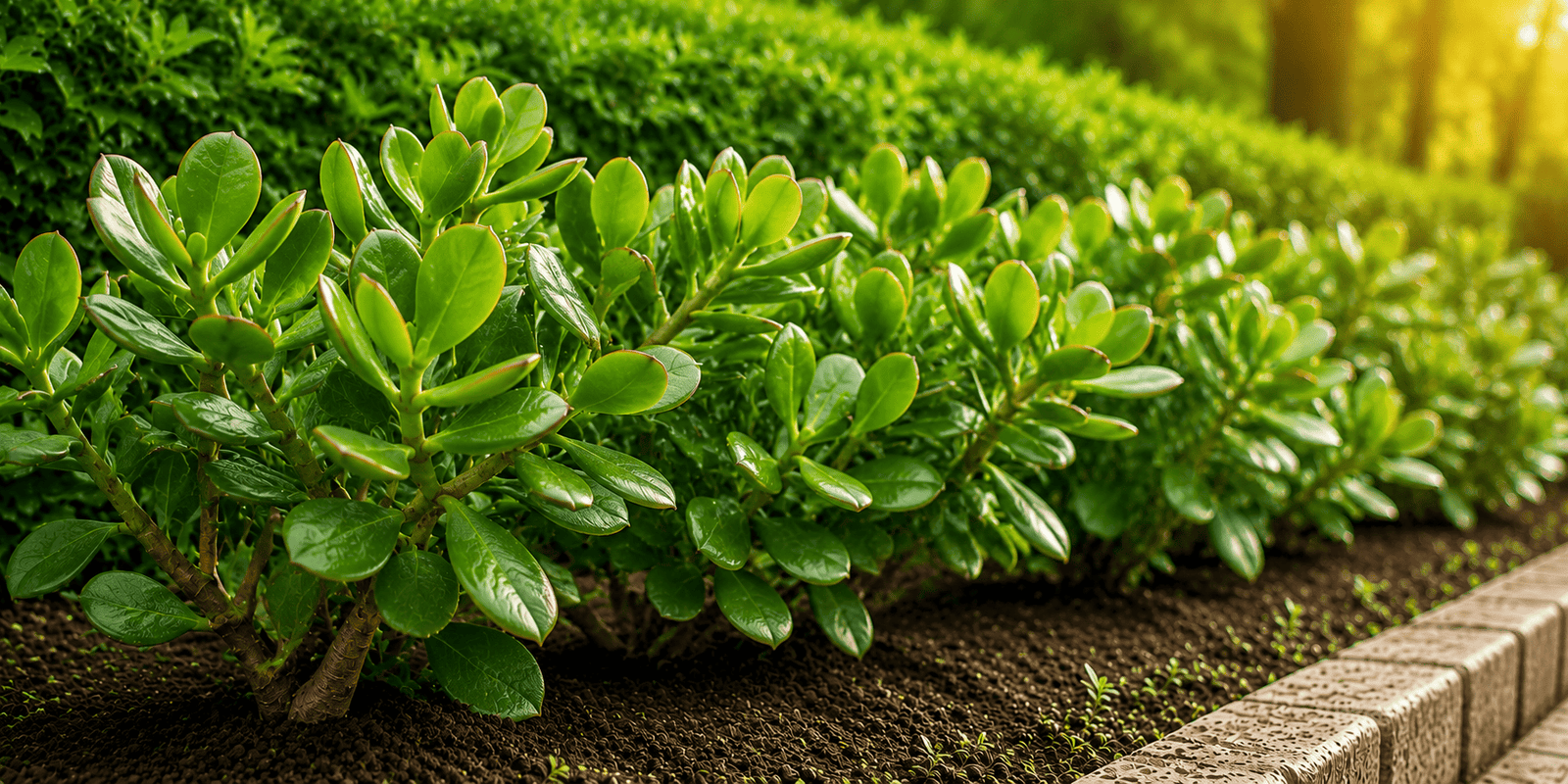
Architectural Succulent Display
- Watering Guidelines: As a succulent, Jade plants store water in their leaves. Allow the soil to dry out almost completely between waterings. Overwatering is the most common cause of root rot—when in doubt, wait a few more days.
- Growth Conditions: Thrives in bright, indirect light to full sun. While they can adapt to lower light, they will become leggy. Use a fast-draining potting mix specifically formulated for cacti and succulents.
- Vulnerabilities: Highly susceptible to root rot in poorly draining soil. Mealybugs can be a challenge; look for white, cotton-like masses in leaf axils. Protect from freezing temperatures as they are not frost-hardy.
- Growth Habit: A woody, long-lived perennial succulent that grows into a shrub-like or tree-like form with a thick, robust trunk and branching stems.
- Root System: Compact, shallow root system, which allows it to thrive in smaller containers, making it an excellent candidate for bonsai training.
- Leaf Structure: Opposite, thick, fleshy, oval-shaped leaves that are smooth and waxy, designed to minimize moisture loss in arid environments.
- Foliage Detail: Rich jade-green color, often developing a vibrant red or bronze tint along the leaf margins when exposed to sufficient sunlight.
- Bloom Period: Occurs in mature plants, typically during late autumn or winter when day length is shorter. Flowers are small, star-shaped, and range from white to pale pink.
- Stems: Young stems are succulent and green, gradually hardening into a thick, smooth, woody brown bark as the plant ages, which contributes to its architectural appeal.
SAFETY: Toxicity Warning
Toxic if Ingested: The Jade plant (Crassula ovata) contains compounds that are toxic to common household pets. While often considered mild, ingestion can lead to significant discomfort and physical distress for animals.
To Humans
Mildly toxic. Ingestion of the leaves can cause digestive distress, including nausea or vomiting. Keep out of reach of young children.
To Household Pets
Toxic to dogs and cats. Ingestion can result in vomiting, lethargy, and a loss of coordination. Always keep this plant in areas where pets cannot chew on the leaves.
Handling Protocol
Jade plants are safe to touch and prune, but ensure hands are washed after handling to avoid accidental ingestion. Due to their toxicity to pets, they are best kept on elevated surfaces or in rooms inaccessible to cats and dogs.