
Family: Araceae Lifespan: Long-lived Perennial

Philodendron

Philodendron hederaceum
🌿 Lush Foliage ✨ Adaptable Climber ⚠️ Toxic to Pets

History & Taxonomy
The Philodendron genus, belonging to the Araceae family, derives its name from the Greek words philo ("love") and dendron ("tree"), reflecting the climbing habit many species exhibit in their native tropical environments. First formally described and classified by Austrian botanist Heinrich Wilhelm Schott in the 19th century, these plants have been central to tropical botany for centuries. They are characterized by their diverse foliage shapes—ranging from heart-shaped to deeply lobed—and their ability to adapt to varying light conditions under dense jungle canopies.

Botanical Culture & Distribution
Native primarily to the tropical Americas and the West Indies, Philodendrons have become one of the most successful ornamental plant groups globally. They are remarkably resilient, easily cultivated both as climbing vines that require support and as self-heading, bushier varieties. Culturally, they are celebrated not just for their aesthetic versatility but also for their air-purifying qualities. In modern interior design, they are often used to create lush, jungle-like indoor environments, favored by plant enthusiasts for their rapid, rewarding growth cycles and their ability to thrive in standard home environments with minimal intervention.

Cultural & Practical Usage

Interior Decoration

Philodendrons are legendary in the interior design world for their versatile aesthetic. Whether used as trailing vines in hanging baskets or trained to climb moss poles, their heart-shaped foliage adds a lush, tropical, and calming element to offices, shelves, and living spaces.

Air Quality Improvement

Beyond beauty, Philodendrons are widely recognized for their ability to help improve indoor air quality. They are efficient at filtering out common household toxins like formaldehyde, making them functional, health-conscious additions to bedrooms and study areas.

Growth Habit Versatility

Philodendrons are highly adaptable, exhibiting two main growth habits: vining (trailing) and self-heading (bushy/upright). This plasticity allows gardeners to tailor the plant's form to the specific needs of their space, from cramped bookshelves to open floor corners.

Propagation Methods

Propagating Philodendrons is exceptionally rewarding and simple. Stem cuttings, taken with at least one node, will readily sprout new roots in water or moist soil. It is one of the most reliable plants for beginners to learn the basics of vegetative propagation.

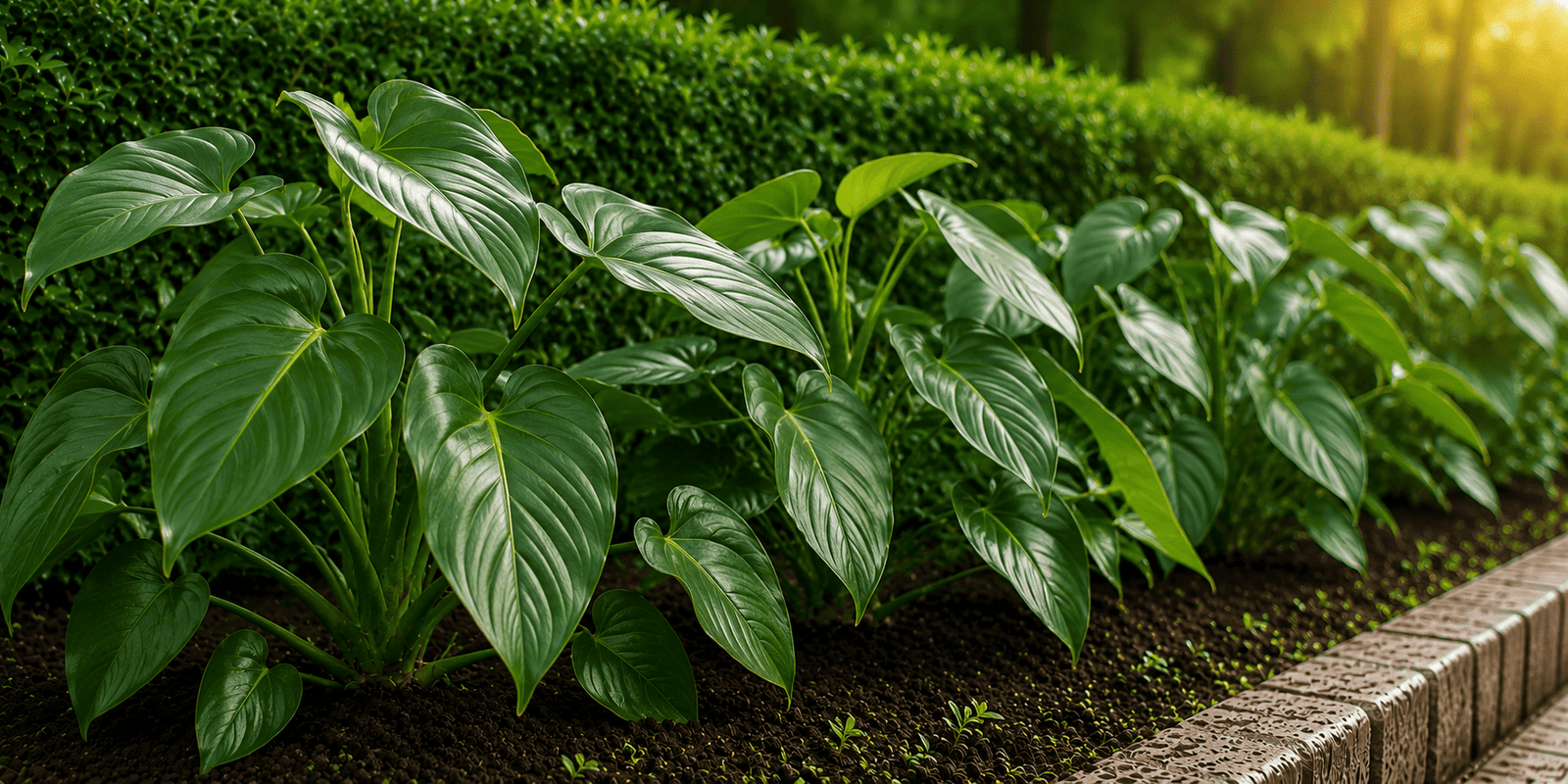
Philodendron foliage
Philodendron Foliage Display
  • Watering Guidelines: Philodendrons prefer consistency. Water when the top 1–2 inches of soil feel dry to the touch. They are relatively forgiving, but avoid letting them sit in soggy soil, which can cause root rot.
  • Growth Conditions: Thrives in bright, indirect light. They can tolerate lower light conditions, though their growth rate will slow significantly. Use a well-aerated, peat-based potting mix that retains some moisture while allowing excess water to drain freely.
  • Vulnerabilities: Generally resilient, but can be targeted by common indoor pests like spider mites, aphids, and scale. Ensure good airflow and avoid extreme cold or drafty locations to prevent foliage damage.
  • Growth Habit: Exhibits two primary forms: climbing/vining (which produce long, trailing stems and utilize aerial roots) and self-heading/upright (which grow in a more compact, rosette-like form).
  • Root System: Features a robust root system that includes both soil-bound roots and specialized aerial roots that allow vining varieties to attach to and climb nearby surfaces.
  • Leaf Structure: Leaves are typically heart-shaped, ovate, or deeply lobed. They possess a distinct waxy or glossy cuticle that helps them shed excess water in their native humid rainforest environments.
  • Foliage Detail: Leaves emerge from a protective sheath (cataphyll) that falls off as the leaf matures. Colors range from deep emerald green to variegated patterns of lime, yellow, or white.
  • Floral Morphology: As a member of the Araceae family, Philodendrons produce a characteristic inflorescence consisting of a spadix (a fleshy spike of small flowers) surrounded by a modified leaf called a spathe.
  • Stem Characteristics: Stems are typically thick, fleshy, and flexible, capable of rapid growth to reach light sources in the forest canopy.
SAFETY: Toxicity Warning

Toxic if Ingested: Philodendron species contain calcium oxalate crystals, which are toxic to humans and pets if ingested. Handling the plant is generally safe, but care should be taken to prevent accidental consumption.

To Humans & Children

Toxic. Ingestion can cause intense burning and irritation of the mouth, tongue, and throat, along with excessive drooling and difficulty swallowing.

To Household Pets

Toxic to cats and dogs. Ingestion may result in oral irritation, intense burning of the mouth, excessive drooling, and vomiting. Please keep out of reach of curious pets.

Handling & Gardening Safety

Philodendrons are wonderful ornamental plants, but they require cautious placement. Ensure they are kept on elevated shelves or in rooms where small children and pets cannot reach them. Always wash your hands after pruning to remove any lingering sap.


Philodendron leaves
Toxic Ornamental

Small efforts save a dying plant.

Get instant botanical diagnostics, precise care timetables, and expert structural advice tailored to support your garden's health daily.

Download PlantDecoder App Now

Frequently Asked Questions

Common botanical queries and troubleshooting instructions for the Philodendron.

Why are the leaves on my Philodendron turning yellow?
Yellow leaves are most commonly caused by overwatering. Ensure your plant is in well-draining soil and that you are allowing the top 1–2 inches of soil to dry out between waterings. Yellowing can also be a sign of aging, light issues, or a lack of nutrients.
Why is my Philodendron growing "leggy" with sparse leaves?
A "leggy" plant is typically searching for light. Philodendrons in low-light conditions will stretch their stems to reach a better light source. Move your plant to a brighter location with indirect sunlight to encourage fuller, more compact growth.
Why are there brown spots on my leaves?
Brown spots can indicate several issues, including underwatering, low humidity, or fungal leaf spot. If the soil is very dry, your plant needs more water. If the air is very dry, consider misting the leaves. If the spots have yellow halos, it may be a fungal issue triggered by water sitting on the leaves.
Are Philodendrons toxic to pets?
Yes, Philodendrons are toxic to dogs and cats. They contain insoluble calcium oxalates, which cause irritation, oral pain, and vomiting if chewed or ingested. Always keep these plants in areas inaccessible to curious pets.
How often should I fertilize my Philodendron?
Philodendrons are not heavy feeders. Use a balanced, water-soluble liquid fertilizer at half-strength every 4–6 weeks during the spring and summer. Do not fertilize during the fall and winter months when the plant's growth slows down.
Do I need to mist my Philodendron?
While Philodendrons appreciate the higher humidity found in tropical environments, misting is generally unnecessary for most home settings. If your home is exceptionally dry, misting or using a humidifier can help, but ensure you aren't leaving water sitting on the leaves for too long.
Can I propagate my Philodendron in water?
Yes, Philodendrons are excellent candidates for water propagation. Simply take a stem cutting that includes at least one "node" (the bump where leaves emerge), place it in a jar of water, and ensure the node is submerged. Roots will typically begin to form within a few weeks.
Why are my Philodendron leaves turning brown at the tips?
Brown leaf tips are often caused by low humidity or a buildup of salts from fertilizers or tap water. Increasing humidity, filtering your water, or occasionally flushing the soil with distilled water can help alleviate this.
How much light does a Philodendron need?
They thrive in bright, indirect light. While they can tolerate lower light, direct sunlight can burn the leaves, leading to scorched, pale patches. A spot near a north or east-facing window is usually ideal.
What should I do if my plant is getting too large?
Philodendrons respond very well to pruning. You can trim back long, trailing stems to encourage bushier growth. The cuttings you remove are perfect for propagating new plants. Pruning also helps manage the size and shape of the plant.