
Fishbone Cactus


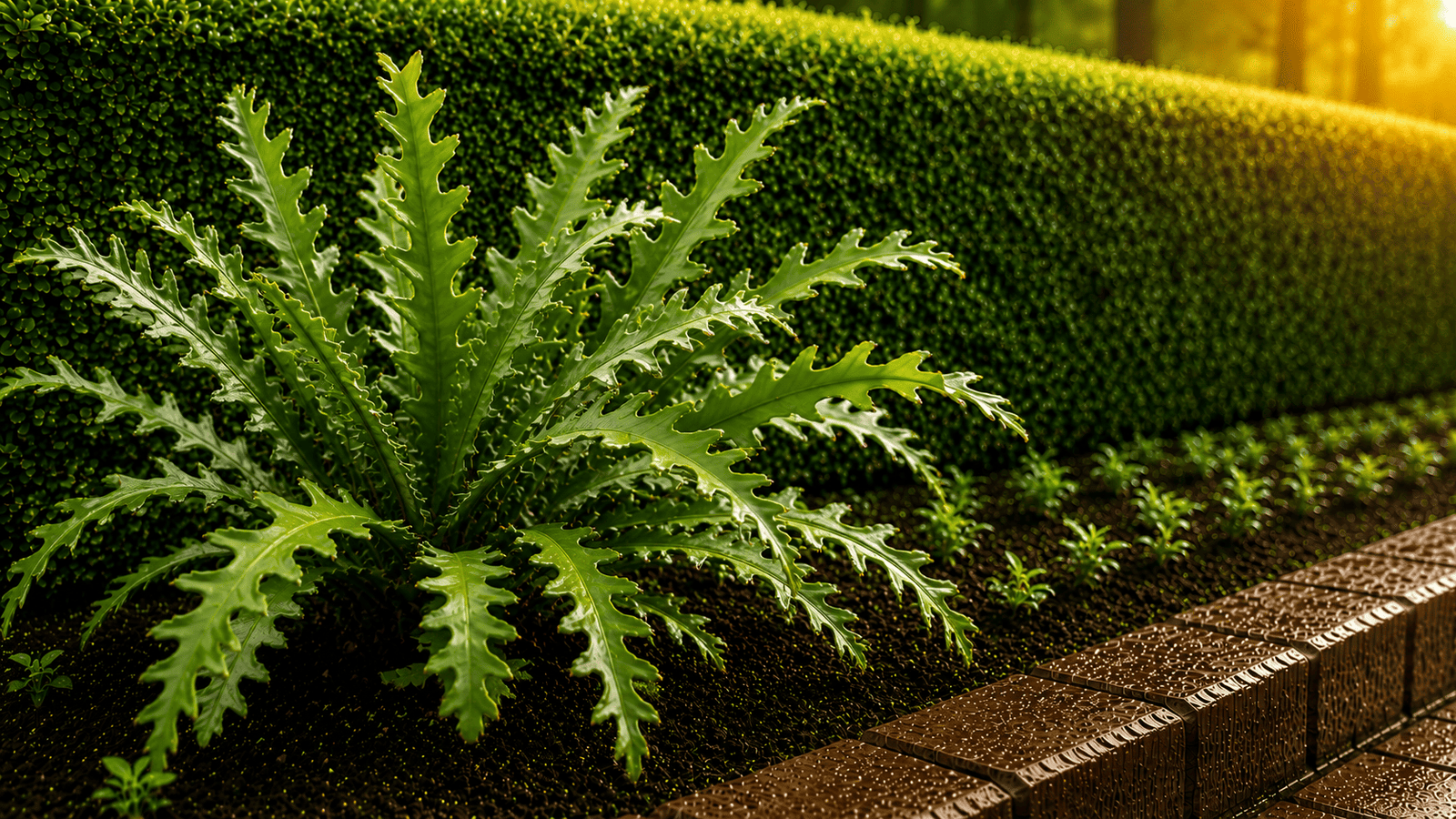
- Watering Guidelines: Allow the soil to dry out completely between waterings. As an epiphytic jungle cactus, it is prone to root rot if left in standing water. Reduce watering significantly during the cooler winter rest period.
- Growth Conditions: Thrives in bright, indirect light. Protect from harsh, direct midday sun, which can scorch the stems. Plant in a loose, airy, and exceptionally well-draining medium, such as a orchid bark and cactus mix combination.
- Vulnerabilities: Sensitive to overwatering and extreme cold. Temperatures dropping below 10°C (50°F) can cause severe damage. Keep away from cold drafts and dry heating vents.
- Growth Habit: Epiphytic, trailing succulent with long, arching stems that make it a favorite for hanging baskets or elevated wall planters.
- Root System: Shallow, delicate root system adapted to absorbing moisture and nutrients from tree bark and organic debris in its native rainforest canopy.
- Leaf Structure: The flat, succulent stems function as leaves, featuring deeply lobed, alternating edges that form the distinctive "fishbone" or "zigzag" pattern.
- Foliage Detail: Smooth, flat stems emerge as light green and gradually mature into a rich, deep green, succulent texture.
- Bloom Lifespan: Nocturnal and fleeting. Individual flowers open at night and fade by the following morning, though a mature plant may produce multiple blooms over the flowering season.
- Floral Morphology: Large, fragrant flowers featuring outer petals of pale yellow or brownish tones and inner petals of pure white, creating a star-like appearance.
- Stem Characteristics: Stems are segmented, flat, and spineless, branching out gracefully as they lengthen over time.
Generally Safe: The Fishbone Cactus (Disocactus anguliger) is non-toxic and entirely safe to keep around households with curious pets and children. It features spineless, flat stems that pose no physical puncture hazard.
To Humans & Children
Non-toxic upon contact or accidental ingestion. Unlike desert cacti, its stems are completely smooth and spineless, avoiding any risk of accidental skin pricks or punctures.
To Household Pets
Pet-friendly. Classified as completely non-toxic to cats, dogs, and horses. While ingestion of small pieces is harmless, consuming large amounts of fibrous plant matter may cause mild, temporary stomach upset.
Maintenance & Handling
No special protective gear or gloves are required when pruning, repotting, or handling trailing stems. Enjoy placing this decorative epiphyte freely in hanging baskets or accessible shelves throughout your home.