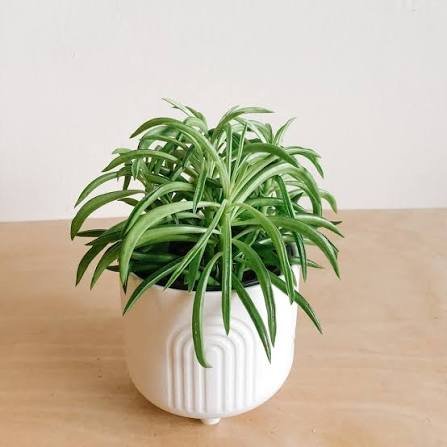
Family: Piperaceae (Pepper Family)
Lifespan: Perennial Houseplant
Happy Bean Plant
Peperomia ferreyrae
🫘 Bean-Shaped Leaves
🌵 Succulent Foliage
✅ Pet Safe
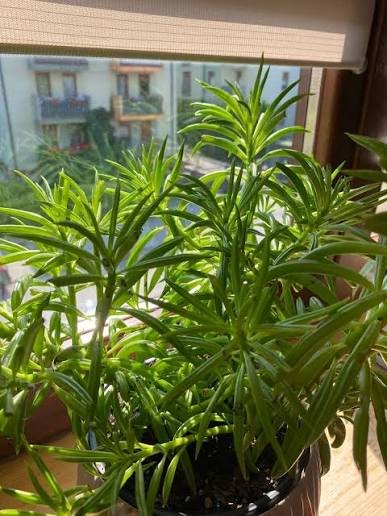
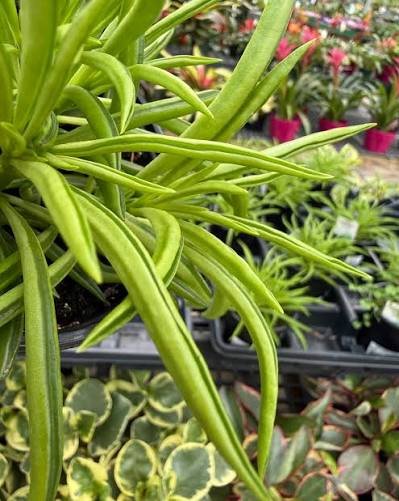
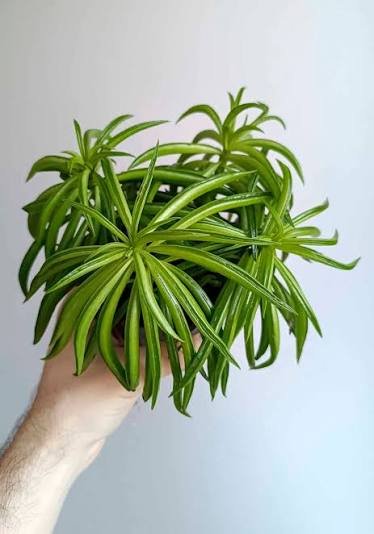
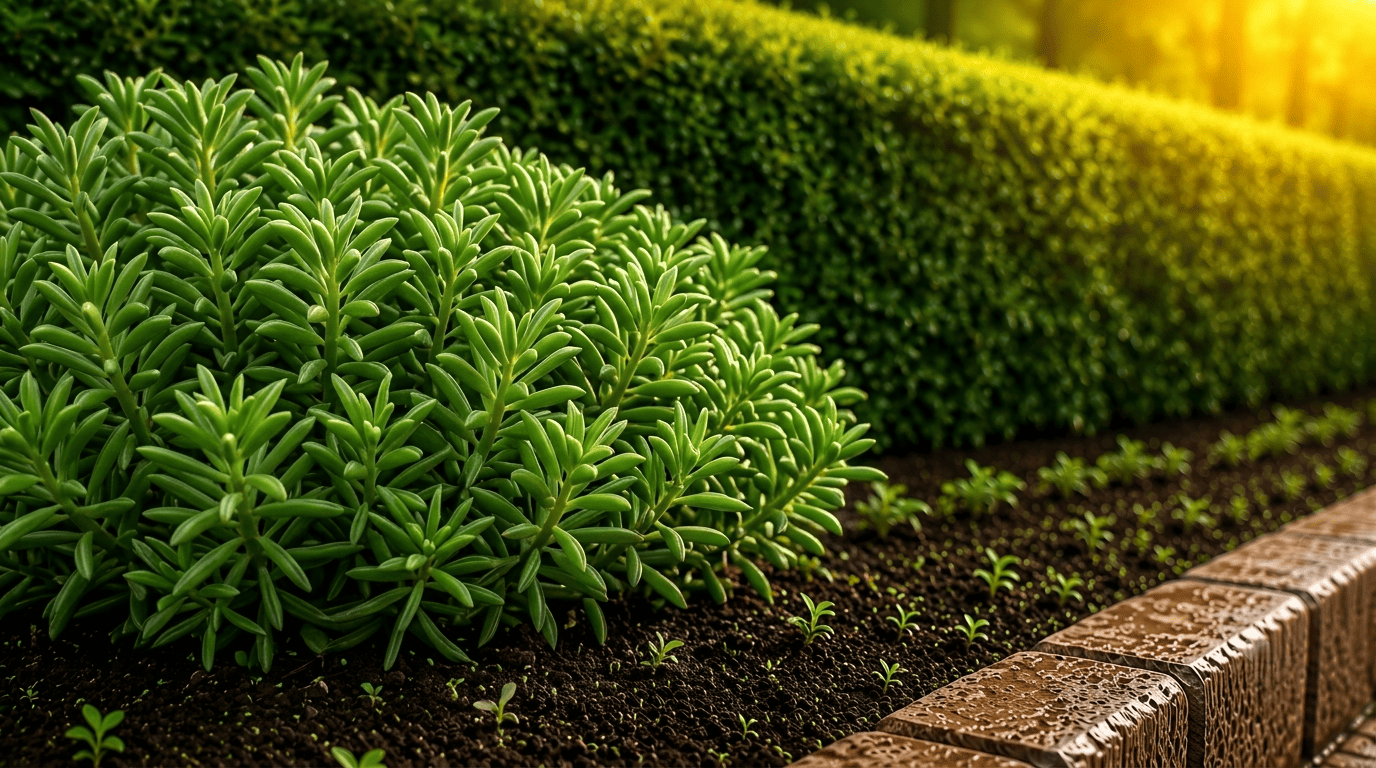
Peperomia Ferreyrae Specimen Display
- Watering Guidelines: Allow the potting soil to dry out completely between waterings. Because its fleshy leaves store moisture, overwatering easily triggers root rot. Reduce watering frequency even further during winter.
- Growth Conditions: Thrives in bright, indirect sunlight. Can tolerate some gentle morning direct sun, but harsh afternoon rays can scorch its translucent leaf windows. Prefers loose, fast-draining succulent soil.
- Vulnerabilities: Highly susceptible to root rot from soggy soil or poor pot drainage. Extremely sensitive to frost; must be kept indoors away from cold winter drafts.
- Growth Habit: Compact, upright, succulent perennial houseplant featuring multiple semi-woody stems that branch outward to form a neat, bushy silhouette.
- Root System: Shallow, compact root system well-adapted to small pots and dry, rocky substrate environments.
- Leaf Structure: Unique, narrowly elongated, pea-like succulent leaves that are folded lengthwise, creating a distinct bean shape with a translucent upper window.
- Foliage Detail: Bright lime-to-emerald green fleshy leaves featuring a translucent channel along the top surface designed to filter and absorb sunlight.
- Bloom Characteristics: Produces slender, rat-tail-like flower spikes (inflorescences) covered in tiny, non-showy greenish-white or brownish flowers during optimal growing periods.
- Stem Characteristics: Smooth, erect, reddish-green to gray-green succulent stems that carry the dense clusters of bean-like leaves along their length.
- Growth Rate: Slow to moderate grower, making it exceptionally well-suited for long-term tabletop and windowsill display without outgrowing its space quickly.
SAFETY: Non-Toxic Pet-Safe Profile
Generally Safe & Non-Toxic: The Happy Bean Plant (Peperomia ferreyrae) is completely non-toxic to humans, cats, and dogs. It contains no harmful saps or chemical irritants, making it an ideal plant for family homes.
To Humans & Infants
Completely safe upon touch or accidental contact. No specialized protective gear or handling precautions are necessary when pruning or caring for the plant.
To Household Pets
Classified as completely non-toxic to cats and dogs. Ingestion of occasional fallen leaves is harmless, though large amounts of fibrous plant matter may cause mild stomach upset.
Child & Pet-Friendly Placement
Safe to place in any family-friendly or pet-friendly interior living space. Placing the pot on an elevated shelf or windowsill helps keep trailing stems tidy and secure from playful pets.