
African Milk Tree


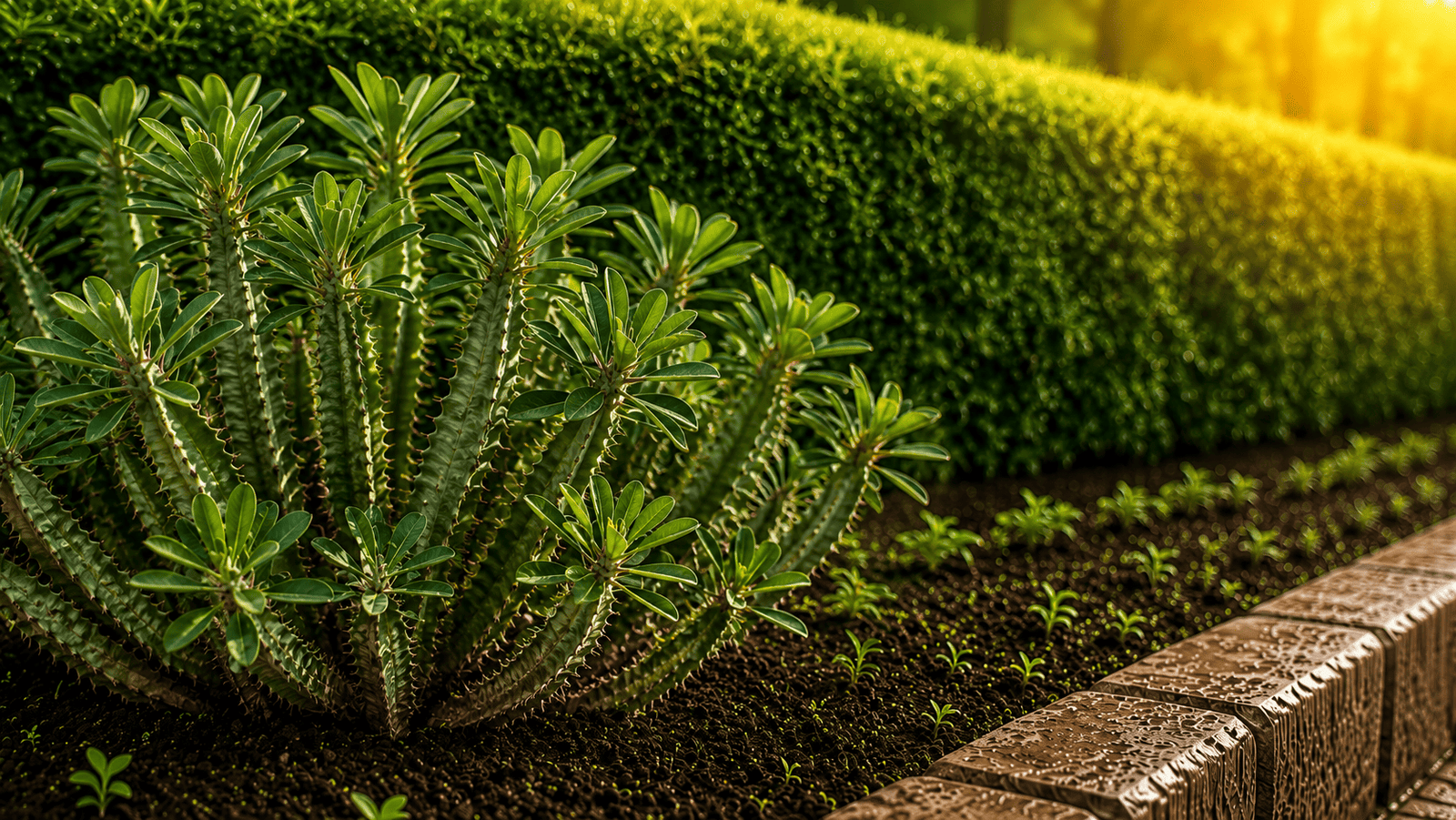
- Watering Guidelines: Allow the potting mix to dry out completely between waterings. Water sparingly during spring and summer, and reduce frequency drastically during winter dormancy. Overwatering is the primary cause of root rot.
- Growth Conditions: Thrives in bright, direct sunlight (at least 6 hours daily) to maintain vibrant growth and prevent etiolation. Demands extremely porous, fast-draining cactus and succulent soil mixes.
- Vulnerabilities: Highly sensitive to overwatering and soggy substrates. Extremely frost-tender; exposure to cold drafts or temperatures below 10°C (50°F) will cause severe tissue damage and stem collapse.
- Growth Habit: Upright, multi-branched succulent shrub featuring distinctive candelabra-like architectural growth.
- Root System: Shallow, compact root system adapted to rocky, arid conditions and restricted container environments.
- Leaf Structure: Small, teardrop-shaped alternate green leaves that emerge seasonally along the sharp stem ridges, often dropping off as the stem matures.
- Foliage Detail: Smooth, glossy green stems (or variegated cream-and-green in cultivars like 'Alba') marked by prominent, ribbed triangular columns.
- Spine Characteristics: Features paired, sharp brownish spines situated along the prominent ridges of each triangular stem segment.
- Latex Defense: When broken or pruned, the plant exudes a milky white latex sap that is toxic and irritating to skin and mucous membranes.
- Stem Structure: Thick, succulent, fleshy columns designed to store abundant water, enabling the plant to survive prolonged dry periods.
Toxicity Profile: Euphorbia trigona produces a milky white latex sap throughout its tissues that is highly toxic and irritating. In addition, the stems feature sharp spines along their ridges, requiring cautious handling.
To Humans & Children
Direct contact with the latex sap causes severe skin irritation, painful inflammation, and temporary blindness or extreme eye damage if touched. Keep away from children and wear gloves when pruning.
To Household Pets
Highly toxic to dogs, cats, and other animals. Ingestion or sap contact leads to intense mouth and stomach irritation, excessive drooling, and vomiting. Position out of reach of pets.
Handling & Protective Precautions
Always wear thick protective gloves and eye protection when pruning or taking stem cuttings. Immediately wash any skin areas that come into contact with the milky latex sap.