
Resurrection Plant


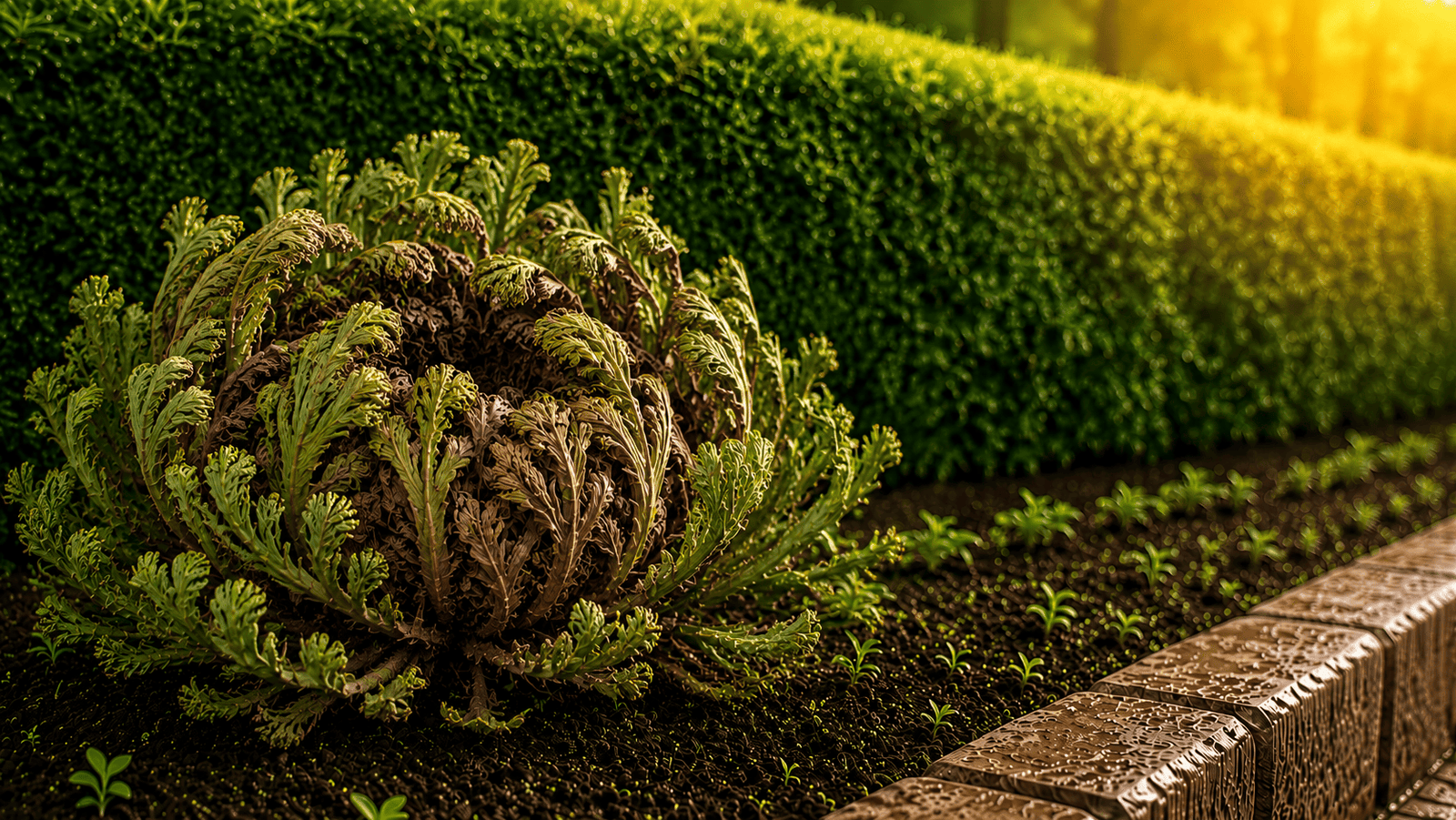
- Hydration Cycles: Can remain completely dry for months or years. When displaying as a novelty, place the dry ball in a shallow dish of water to trigger uncurling; refresh the water every few days to prevent mold growth, and allow periods of complete drying out.
- Growth Conditions: Thrives in bright, indirect light when placed in a container with sandy, rocky, fast-draining soil. Does not require constant moisture and prefers arid to moderate indoor environments.
- Vulnerabilities: Extremely susceptible to fungal rot and mold if left sitting in stagnant water continuously for more than a few days without drying periods.
- Growth Habit: Low-growing, terrestrial, seedless resurrection fern ally (pteridophyte) that forms a dense, compact rosette cushion.
- Root System: Shallow, rudimentary root system designed primarily to anchor the plant in rocky, arid desert limestone substrates.
- Leaf Structure: Small, overlapping, scale-like microphyll fronds tightly spiraled around stems during desiccation.
- Foliage Detail: Transforms dramatically from a brittle, brown, tightly curled ball when dry to an expansive, vibrant emerald-green rosette within hours of water absorption.
- Reproductive Mechanism: Non-flowering ancient vascular plant that produces microscopic spores along the undersides of specialized frond structures.
- Cellular Adaptation: Features unique trehalose-sugar protection mechanisms within cell walls that prevent cellular rupture during extreme drought stress.
- Stem Characteristics: Pliable, branching stems covered in small scale-like leaves that flex rapidly in response to changes in ambient moisture.
Generally Safe & Non-Toxic: The Resurrection Plant (Selaginella lepidophylla) is entirely non-toxic to humans and household pets. It poses no chemical hazards or irritating sap, making it safe to display and handle in home environments.
To Humans & Infants
Non-toxic upon touch or accidental contact. However, because dry specimens collect household dust or are displayed in standing water dishes, practice basic hygiene and keep water fresh.
To Household Pets
Completely safe around cats, dogs, and other animals. Ingestion of small amounts of dried or hydrated frond material is non-poisonous, though large fibrous intake might cause mild digestive upset.
Display & Water Hygiene
No protective gear is needed for handling. When utilizing the plant in water hydration displays, refresh the container water every few days to maintain hygiene and prevent stagnation or mold growth.