
Sensitive Plant


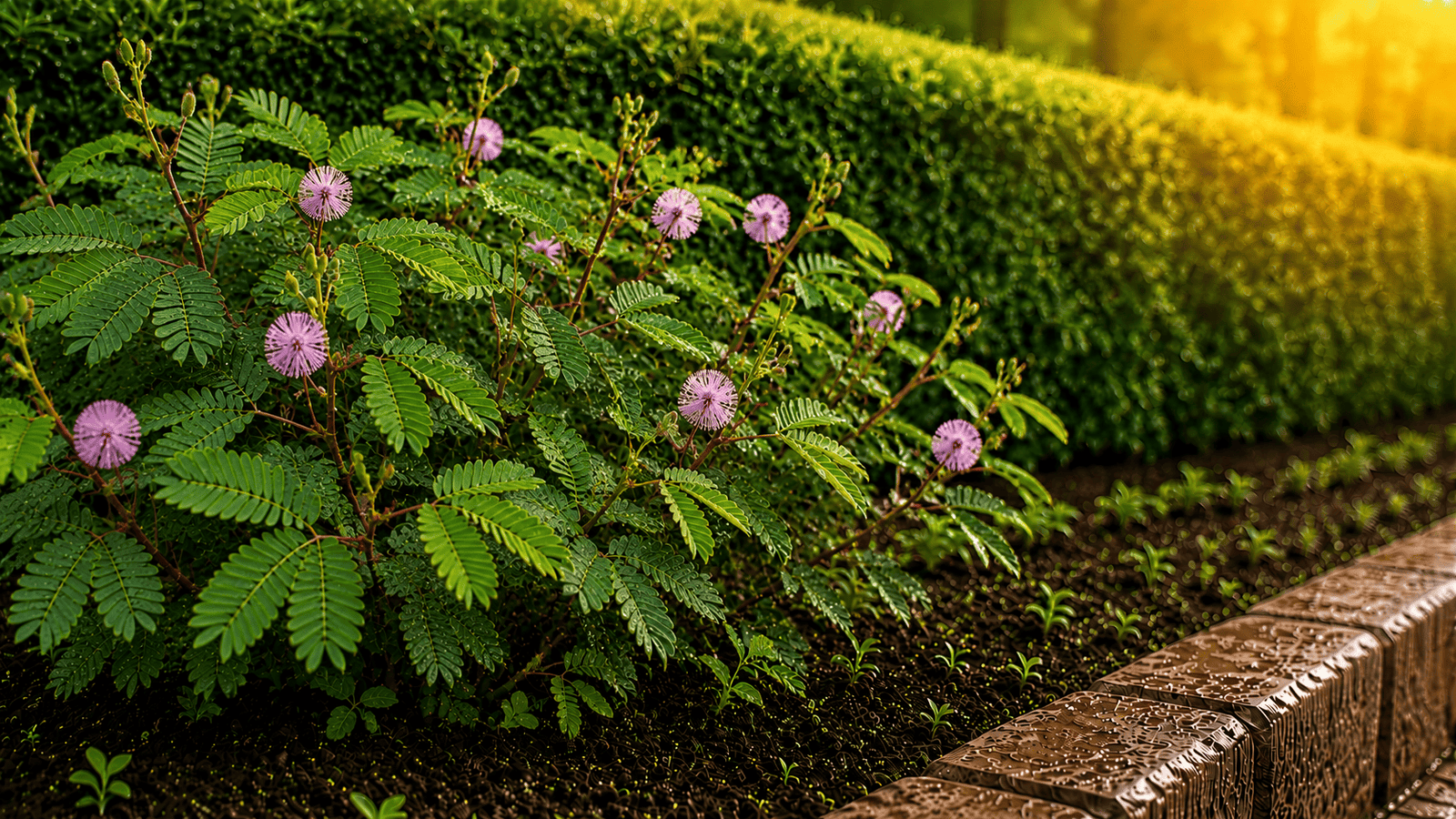
- Watering Guidelines: Keep the soil consistently moist during active growth periods. Water thoroughly when the top surface begins to dry out, but avoid waterlogged conditions that can cause root rot.
- Growth Conditions: Thrives best in bright, indirect sunlight or several hours of direct morning sun. Prefers warm indoor temperatures and loose, well-draining, organically rich potting mixes.
- Vulnerabilities: Sensitive to frost and cold temperatures; typically grown as an annual or indoor potted plant in temperate climates. Excessive handling can also stress the plant by depleting its energy reserves.
- Growth Habit: Low-growing, sprawling perennial herb or subshrub featuring delicate, branching stems that can reach up to 1.5 feet in height.
- Root System: Develops a deep taproot system that makes established plants relatively resilient against brief dry spells.
- Leaf Structure: Finely divided bipinnate compound leaves consisting of numerous pairs of linear leaflets arranged along sensitive central petioles.
- Foliage Detail: Features unique thigmonastic leaves that instantly fold inward and droop when touched, shaken, or exposed to heat, reopening after a few minutes.
- Bloom Lifespan: Individual spherical flower heads bloom over several days, transitioning into clustered small seed pods upon pollination.
- Floral Morphology: Distinctive, fuzzy, pom-pom-like pink or pale purple flower heads composed of tiny tubular blossoms with prominent stamens.
- © Stem Characteristics: Slender, reddish-brown stems covered in small, scattered prickles and bristles as the plant matures.
Mild Toxicity Warning: The Sensitive Plant (Mimosa pudica) contains a toxic alkaloid called mimosine, which can cause adverse health effects if ingested in large quantities or handled excessively.
To Humans & Children
Ingesting leaves or roots can lead to nausea, vomiting, and potential hair loss due to mimosine toxicity. Keep out of reach of young children who might put plant parts in their mouths.
To Household Pets
Toxic to cats, dogs, and grazing livestock. Ingestion can cause excessive drooling, vomiting, lethargy, and digestive distress. Ensure pets cannot graze on indoor or garden specimens.
Handling & Placement Precautions
Place sensitive plants on elevated shelves or in terrariums away from curious pets. While playing with the folding leaves is a popular educational activity, excessive stimulation can stress the plant and deplete its energy reserves.