
Family: Polypodiaceae Lifespan: Long-lived Perennial

Blue Star Fern

Phlebodium aureum
🌿 Glaucous Foliage ☁️ Epiphytic Habit ✅ Pet-Friendly

History & Taxonomy
Native to tropical and subtropical regions of the Americas, Phlebodium aureum—commonly known as the Blue Star Fern—belongs to the Polypodiaceae family. It is an epiphytic fern that naturally grows perched upon the branches of rainforest trees, utilizing its fuzzy, creeping golden-brown rhizomes to anchor itself. In horticulture, it has gained immense popularity due to its resilience compared to delicate maidenhair ferns, paired with its striking, deeply lobed fronds and unique silvery-blue glaucous hue.

Botanical Culture & Distribution
Thriving in the humid, dappled understory of tropical forests, the Blue Star Fern has successfully transitioned into a favorite indoor houseplant. Its distinctive blue-green foliage brings a modern, sophisticated aesthetic to interior plantscapes. Unlike many indoor ferns that struggle with dry household air, the Blue Star Fern adapts relatively well to average home environments while maintaining its vibrant color and lush, arching growth habit.

Cultural & Practical Usage

Indoor & Container Display

The Blue Star Fern is widely prized as an exceptional houseplant, celebrated for its unique silvery-blue, deeply lobed fronds. It makes a stunning specimen in containers, on plant stands, or mounted on bark panels, bringing a lush, modern texture to indoor living spaces and offices.

Air Purification & Wellness

Like many tropical ferns, the Blue Star Fern acts as a natural indoor humidifier and helps filter volatile organic compounds from the air. Its calming, biophilic green-blue palette contributes to a soothing, wellness-oriented indoor atmosphere.

Epiphytic & Mounting Culture

Thanks to its natural tree-dwelling habit and fuzzy creeping rhizomes, it is frequently used in specialized botanical displays, living walls, and large closed or semi-open terrariums where its unique texture can be showcased.

Rhizome Division Propagation

Easily propagated by carefully dividing sections of the fuzzy surface rhizomes during spring repotting. Ensuring each cutting has active growing points and healthy roots allows for successful establishment in fresh organic potting mix.

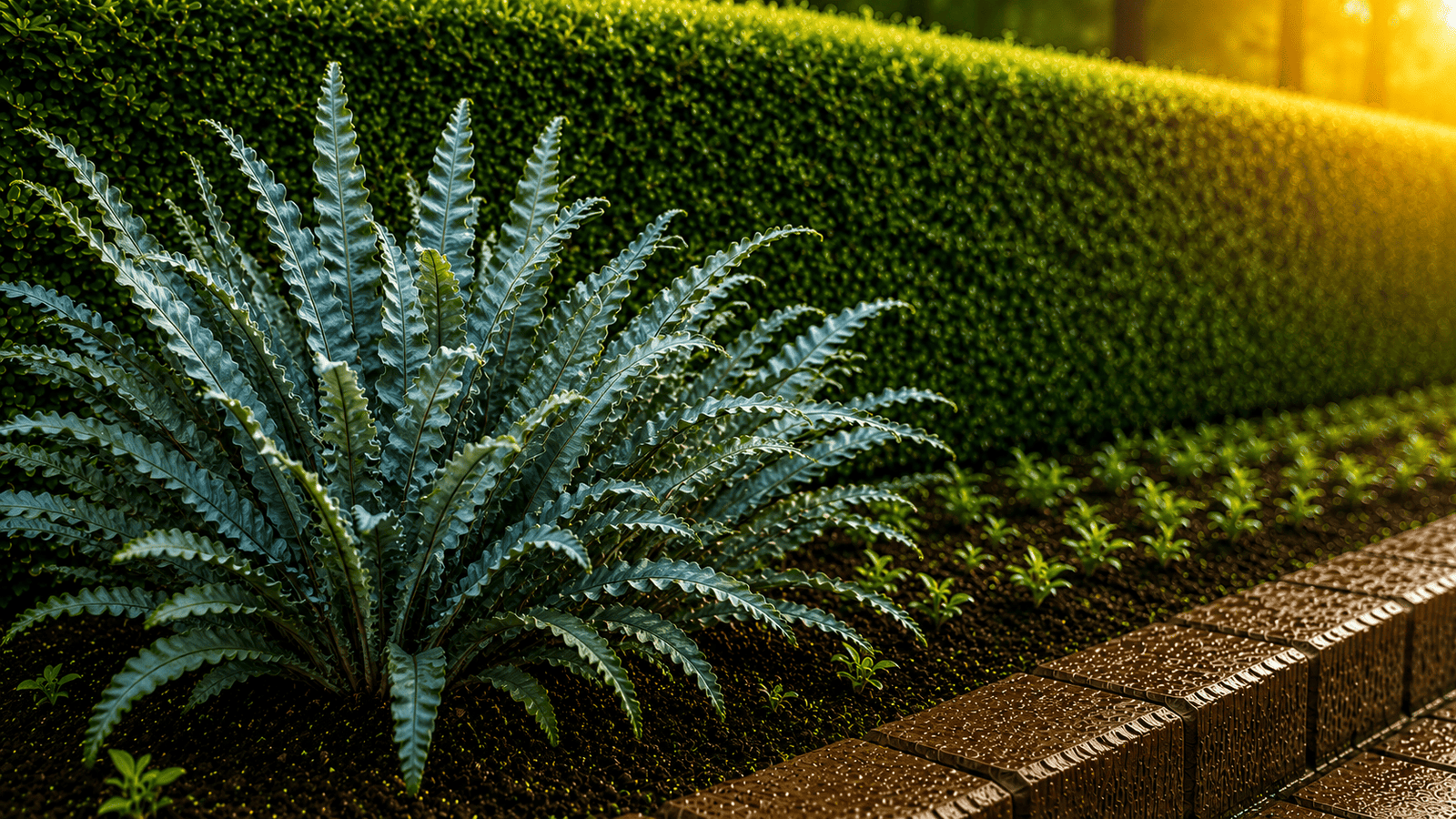
Blue Star Fern lush fronds
Blue Star Fern Foliage Display
  • Watering Guidelines: Keep the soil consistently and evenly moist, but never soggy. Water when the top surface feels slightly dry. Avoid pouring water directly onto the fuzzy rhizomes, as this can induce rot.
  • Growth Conditions: Thrives in bright, indirect light. Direct sunlight can scorch or bleach the delicate silvery-blue fronds. Prefers rich, organic, well-draining soil and moderate to high humidity environments.
  • Vulnerabilities: Sensitive to severe dryness, drafts, and sudden temperature drops below 10°C (50°F). Overwatering combined with poor drainage easily leads to rhizome and root rot.
  • Growth Habit: Epiphytic perennial fern featuring an arching, clump-forming habit with creeping surface stems.
  • Root System: Features distinctive, fuzzy, golden-brown creeping surface rhizomes that absorb moisture and anchor the plant to organic material.
  • Frond Structure: Deeply lobed, undulating fronds that emerge with an upright posture and gracefully arch outward as they mature.
  • Foliage Detail: Covered in a fine, powdery, glaucous wax layer that gives the leaves their characteristic striking silvery blue-green color.
  • Reproduction: Spore-bearing; produces round, raised golden-brown sori in orderly rows on the undersides of mature fronds rather than true flowers.
  • Stem Characteristics: Thick, creeping hairy rhizomes grow along the top of the soil medium rather than underground.
SAFETY: Non-Toxic Profile & Handling

Completely Safe & Pet-Friendly: The Blue Star Fern (Phlebodium aureum) is entirely non-toxic. It poses no chemical hazards to humans, children, or household pets, making it a wonderful worry-free addition to indoor living spaces.

To Humans & Children

Completely safe upon contact or accidental touch. It features soft fronds without any thorns, toxic sap, or irritating bristles, making it entirely harmless for family environments.

To Household Pets

Classified as non-toxic to cats, dogs, and horses by the ASPCA. While ingestion of large amounts of any unfamiliar fibrous plant material may cause mild, temporary stomach upset, it contains no harmful compounds.

Maintenance & Care Safety

No special protective gear or gloves are required when pruning, repotting, or handling your Blue Star Fern. Enjoy placing this lush epiphyte safely anywhere in your home, including low shelves and children's rooms.


Blue Star Fern display
Pet-Friendly Foliage

Small efforts save a dying plant.

Get instant botanical diagnostics, precise care timetables, and expert structural advice tailored to support your garden's health daily.

Download PlantDecoder App Now

Frequently Asked Questions

Common botanical queries and troubleshooting instructions for the Blue Star Fern (Phlebodium aureum).

Why are the fronds on my Blue Star Fern turning yellow or fading?
Frond yellowing is typically caused by overwatering, poor drainage, or insufficient light. Ensure your soil stays consistently moist without becoming waterlogged, and protect the plant from harsh direct sunlight which can bleach the striking blue-green tint.
Why are the tips of the fronds turning brown and crispy?
Brown, crispy tips usually signal low ambient humidity or letting the soil dry out completely. As a tropical rainforest epiphyte, the Blue Star Fern appreciates higher humidity levels (around 50% or more) and steady, even moisture.
What are the fuzzy brown things growing on top of the soil?
Those are completely normal creeping rhizomes, not pests! The Blue Star Fern uses these fuzzy, golden-brown surface stems to anchor itself and absorb moisture from the air. Never bury the rhizomes when repotting, as doing so will cause them to rot.
Is the Blue Star Fern safe for cats and dogs?
Yes! The Blue Star Fern is completely non-toxic to cats, dogs, and horses according to the ASPCA. It contains no harmful chemicals, making it a wonderful, worry-free pet-friendly houseplant.
What type of soil is best for a Blue Star Fern?
They thrive in a loose, rich, organic, and well-draining potting mix that retains some moisture while providing plenty of aeration. A blend of standard potting soil with orchid bark, perlite, and peat moss works exceptionally well.
How often should I water my Blue Star Fern?
Water when the top surface of the soil begins to feel slightly dry. Aim to keep the soil evenly moist rather than soggy. Avoid watering directly on top of the fuzzy rhizomes to prevent fungal decay.
Can I wipe or clean the powdery blue coating off the leaves?
No, you should avoid wiping or cleaning the powdery coating. That delicate, glaucous waxy layer gives the fronds their signature silvery-blue color and acts as a natural protective barrier. If dust accumulates, rinse the plant gently with lukewarm water.
How do I propagate a Blue Star Fern?
Propagation is best done by division of the rhizomes during spring repotting. Carefully cut a section of the healthy creeping rhizome that has several active fronds and roots attached, and pin it gently onto the surface of a fresh potting mix.
What are the brown dots on the undersides of the fronds?
Those raised brown dots are sori (spore clusters), which are a natural part of the fern's reproductive cycle. They are completely normal and not a sign of pests or disease.
Does the Blue Star Fern require high light levels?
No, they prefer bright, indirect light. While they can tolerate lower-light indoor spaces, keeping them out of harsh direct sun ensures their vibrant blue fronds stay healthy and lush without getting scorched.