Chinese Money Plant


- Watering Guidelines: Allow the top 1 to 2 inches of soil to dry out completely between waterings. Avoid overwatering to prevent root rot, and reduce watering frequency slightly during the winter months.
- Growth Conditions: Thrives in bright, indirect sunlight. Rotate the pot weekly to ensure even, straight vertical stem growth, as the coin-like leaves naturally orient themselves toward light sources.
- Vulnerabilities: Sensitive to direct, scorching midday sun which can bleach or burn the foliage. Also susceptible to overwatering and root rot if planted in heavy, non-draining potting soil.
- Growth Habit: Compact, upright, evergreen perennial herbaceous houseplant featuring a central woody stem that becomes increasingly bare at the base over time.
- Root System: Shallow, fibrous root system that consistently produces underground runners (stolons) from which tiny offshoot pups emerge.
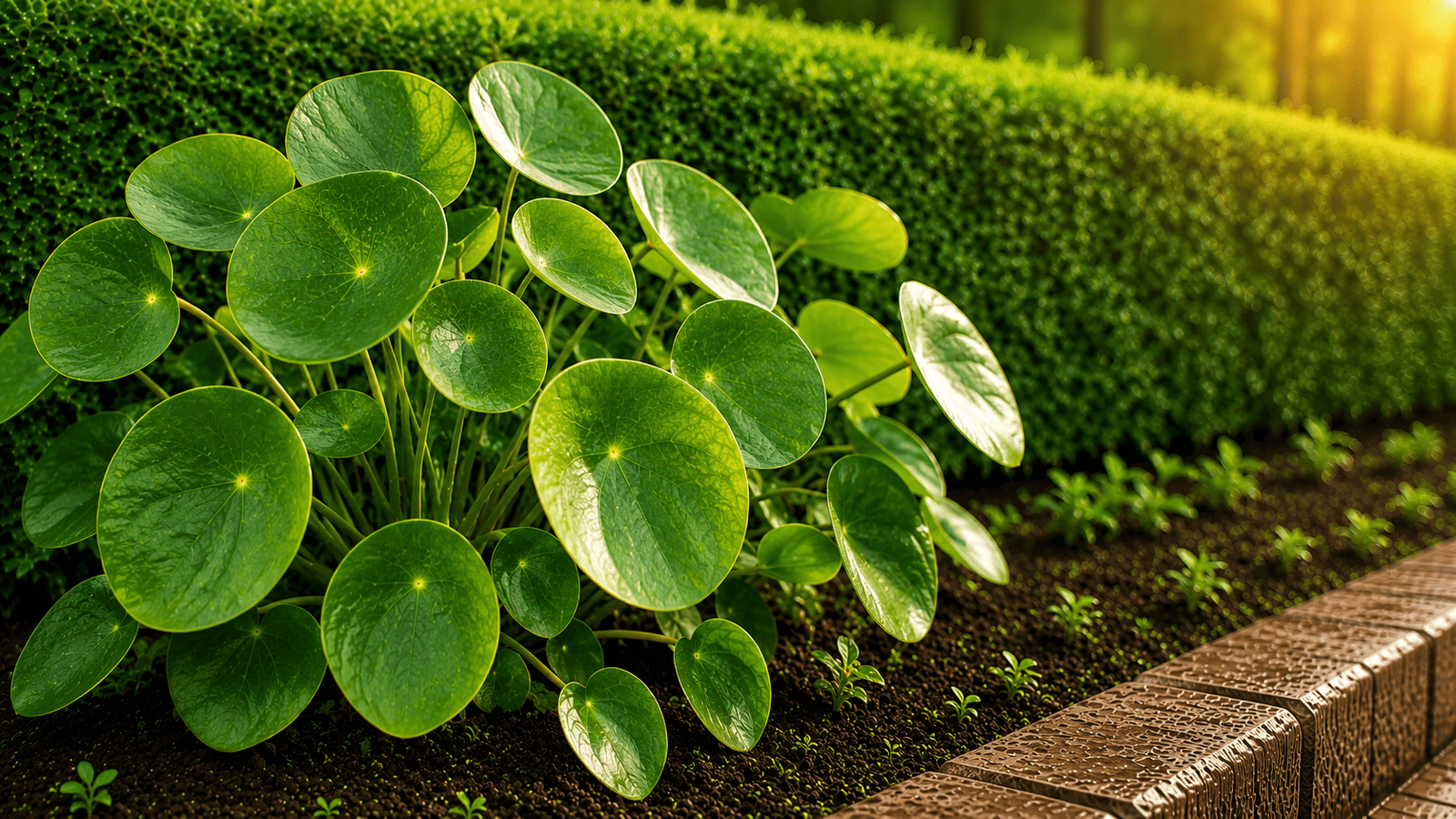
- Leaf Structure: Distinctive peltate (circular, coin-shaped) smooth green leaves attached to long, slender petioles that radiate out from the main stem.
- Foliage Detail: Glossy, dark emerald green leaves that feature a subtle depression in the center where the leaf stem connects, often catching water droplets.
- Bloom Characteristics: Rarely blooms indoors, but mature plants grown under optimal cool, bright conditions may occasionally produce delicate clusters of tiny pinkish-white flowers on pink stems.
- Stem Characteristics: Sturdy, smooth, upright green central stem that develops pale grayish-brown markings and texture as the plant matures and lower leaves drop.
- Reproductive Offshoots: Highly prolific producer of basal offsets or "pups" that push up through the soil around the parent plant, facilitating effortless propagation.
Generally Safe & Non-Toxic: The Chinese Money Plant (Pilea peperomioides) is entirely non-toxic to humans and household pets. It poses no chemical hazards, harmful saps, or irritating compounds, making it completely safe for home display.
To Humans & Infants
Completely safe upon touch or accidental contact. No specialized protective gear or handling precautions are necessary when pruning or caring for the plant.
To Household Pets
Classified as completely non-toxic to cats and dogs. Ingestion of occasional fallen leaves is harmless, though large amounts of fibrous plant matter may cause mild stomach upset.
Child & Pet-Friendly Placement
Safe to place in any family-friendly or pet-friendly interior living space. Placing the pot on an elevated shelf or plant stand can help prevent curious pets from knocking it over.