
Family: Lamiaceae (Mint Family) Lifespan: Tender Perennial / Annual

Coleus

Plectranthus scutellarioides
🎨 Vibrant Foliage 🪴 Container Favorite ⚠️ Toxic to Pets

History & Taxonomy
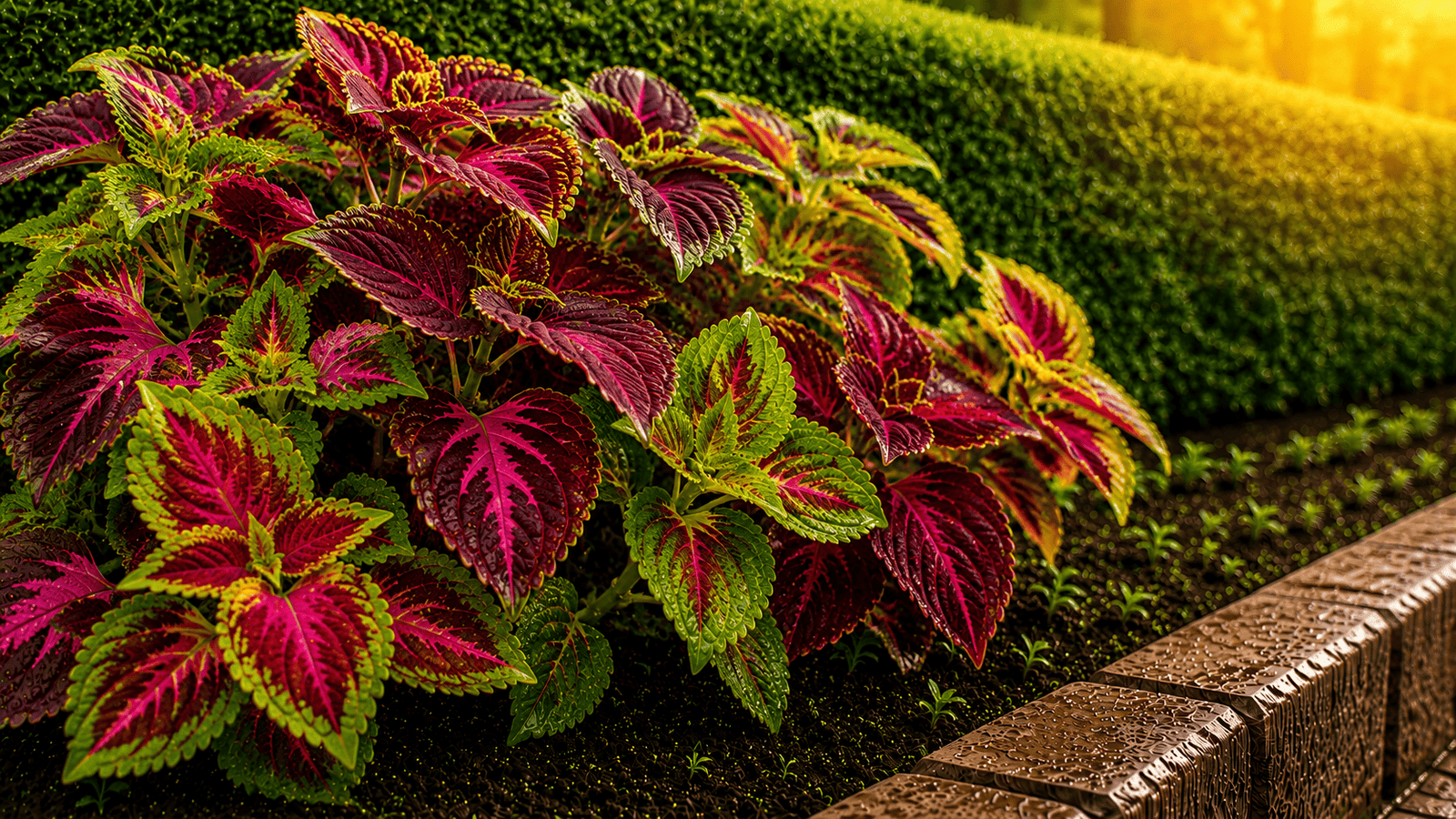
Native to Southeast Asia, Malaysia, and tropical regions of Oceania, the Coleus plant—scientifically classified as Plectranthus scutellarioides (formerly known under the genus Coleus or Solenostemon)—belongs to the mint family (Lamiaceae). Introduced to European botanical gardens in the 19th century from Java, Coleus quickly sparked a Victorian craze due to its dazzling, multicolored foliage. Modern horticultural breeding has since transformed it into one of the world's most versatile foliage plants, offering an astonishing kaleidoscope of neon pinks, deep burgundies, chartreuses, and coppers without relying on traditional flowers.

Botanical Culture & Distribution
Thriving naturally in warm, tropical understories, Coleus is widely cultivated across the globe as an exceptionally vibrant annual or tender perennial. It is celebrated by gardeners and landscape designers for its unmatched ability to provide instant, high-impact color contrast in shady garden beds, borders, and patio containers. Known for their square stems and opposite leaves typical of the mint family, coleuses are also prized for how effortlessly they propagate from stem cuttings, making them a favorite project for gardeners of all skill levels.

Cultural & Practical Usage

Foliage & Landscape Accents

Coleus plants are universally prized for their dazzling, multicolored foliage rather than their flowers. They are widely used to create stunning, high-contrast borders, mass plantings, and vibrant geometric patterns in shaded or semi-shaded garden beds.

Container & Patio Displays

Because of their bushy habit and striking neon pigments, coleuses are exceptional choices for porch pots, window boxes, and hanging baskets. They serve as brilliant "fillers" and "spillers" in mixed container arrangements.

Ethnobotanical Heritage

Certain species within the broader Plectranthus alliance have traditional roots in indigenous cultures, where specific varieties have been utilized in folk preparations or ceremonial contexts across parts of Southeast Asia and traditional herbal practices.

Water & Soil Propagation

Coleus is famous for being one of the easiest plants to propagate. Stem cuttings taken during active growth root with remarkable speed and reliability when placed either directly in moist potting mix or in a glass of clean water.

Coleus Foliage Display
  • Watering Guidelines: Keep the soil consistently moist but never waterlogged. Coleuses are thirsty plants; drooping leaves are a primary indicator of underwatering. Water deeply when the top layer of soil begins to dry.
  • Growth Conditions: Thrives best in bright, indirect light or partial shade. While morning sun intensifies their vibrant neon colors, harsh direct afternoon sun can bleach or scorch the leaves. Prefers rich, organic, well-draining soil.
  • Vulnerabilities: Extremely sensitive to frost and cold temperatures below 10°C. Prone to root rot if left in poorly draining soils, and susceptible to common indoor pests like aphids, whiteflies, and mealybugs. Pinch off flower spikes to maintain lush foliage.
  • Growth Habit: Bushy, tender perennial or annual featuring an upright, multi-branching habit that responds exceptionally well to frequent pinching and pruning.
  • Root System: Shallow, fibrous root system that establishes quickly in loose, rich potting substrates and roots readily from stem cuttings.
  • Leaf Structure: Opposite leaves characterized by distinctively scalloped, toothed, or ruffled margins along ovate blade structures.
  • Foliage Detail: Celebrated for an astonishing kaleidoscope of vibrant colors—including neon pinks, deep burgundies, lime greens, yellows, and coppers—often featuring intricate multi-toned variegation.
  • Bloom Lifespan: Produces spikes of small, insignificant blue or violet flowers. Gardeners typically snip these off early to redirect energy into leaf production.
  • Floral Morphology: Tiny, two-lipped tubular flowers grouped in terminal spikes typical of the mint family (Lamiaceae), blooming over several weeks if allowed to mature.
  • Stem Characteristics: Distinctively square, succulent stems that start soft and green, becoming slightly woody at the base as the plant matures.
SAFETY: Toxicity & Pet Warning

Toxic to Pets: Coleus (Plectranthus scutellarioides) contains diterpenoid compounds and essential oils stored in its leaves and stems that make it toxic to household cats and dogs. Keep plants safely out of reach of domestic animals.

To Humans & Children

Generally low toxicity for humans, but accidental ingestion of the leaves can cause mild gastrointestinal upset, nausea, or contact dermatitis in sensitive individuals.

To Household Pets

Toxic to dogs and cats. Ingestion can cause vomiting, bloody diarrhea, loss of appetite, depression, and general weakness in pets, requiring veterinary attention.

Placement & Handling Precautions

Display coleuses in elevated hanging baskets or on high plant shelves away from curious pets. Wear gardening gloves if handling broken stems or pruning large quantities to avoid skin irritation from plant sap.


Coleus colorful foliage display
Toxicity Warning

Small efforts save a dying plant.

Get instant botanical diagnostics, precise care timetables, and expert structural advice tailored to support your garden's health daily.

Download PlantDecoder App Now

Frequently Asked Questions

Common botanical queries and troubleshooting instructions for the Coleus plant (Plectranthus scutellarioides).

Why are my Coleus leaves turning pale or losing their vibrant colors?
A loss of vivid pigmentation is usually caused by insufficient lighting. While coleuses need protection from harsh afternoon sun, they require bright, indirect light or gentle morning sun to maintain their brilliant neon pigments.
Why is my Coleus plant wilting or drooping?
Coleuses are famously dramatic when thirsty and will droop immediately if they experience underwatering or dry soil. However, drooping can also result from root rot caused by soggy, overwatered soil. Check moisture levels to determine the cause.
Should I cut off the flowers on my Coleus?
Yes! It is best to pinch off flower spikes as soon as they appear. Allowing coleuses to flower diverts energy away from foliage production, often causing the plant to become leggy and woody.
How often should I water my Coleus?
Water thoroughly whenever the top inch of soil feels dry to the touch. During hot summer months or when grown in containers, they may require frequent watering to keep their shallow root systems hydrated.
Is Coleus toxic to pets?
Yes. Coleus (Plectranthus scutellarioides) contains compounds that make it toxic to cats and dogs. Ingestion can cause vomiting, diarrhea, and digestive upset, so keep plants safely out of reach of pets.
Can I grow Coleus indoors as a houseplant?
Yes, Coleus makes a stunning indoor houseplant provided it is placed near a bright, sunlit window (such as a south or west-facing exposure) and given high humidity and consistent moisture.
How do I make my Coleus bushier?
Regularly pinch back the growing tips of the stems. This encourages lateral branching, transforming a tall, single-stemmed plant into a lush, dense, and bushy mound of foliage.
What pests commonly attack Coleus plants?
They are frequently targeted by aphids, whiteflies, and mealybugs. Inspect the undersides of leaves regularly and treat any outbreaks promptly with insecticidal soap or neem oil.
Can Coleus survive winter outdoors?
No. Coleuses are tender tropical perennials typically grown as annuals in temperate climates. They are extremely sensitive to frost and will quickly die when temperatures drop below freezing.
How do I propagate Coleus cuttings in water?
Snip a 4-to-6-inch stem tip just below a leaf node, remove the lower leaves, and place the cutting in a glass of clean water. Roots will sprout rapidly within a week or two, ready to be potted in soil.