Family: Crassulaceae Lifespan: Long-lived Perennial

Jade Plant

Crassula ovata
✨ Succulent 💰 Symbol of Luck ⚠️ Toxic to Pets

History & Nomenclature
The Jade Plant (Crassula ovata) is a member of the Crassulaceae family, native to the KwaZulu-Natal and Eastern Cape provinces of South Africa and Mozambique. While it was once classified under several different names, modern botany recognizes Crassula ovata as the standard nomenclature. Known for its thick, woody stems and fleshy, oval-shaped leaves, the Jade plant is often referred to as a "lucky plant" or "money tree" in various Asian cultures, where it is traditionally gifted to bring prosperity and good fortune to homes and businesses.

Botanical Culture & Distribution
As a drought-tolerant succulent, the Jade plant has evolved to store water within its leaves and stems, allowing it to survive in arid, rocky environments. Its ability to thrive with minimal water and indirect light has made it one of the most popular indoor plants worldwide. Beyond its reputation for luck, it is prized for its architectural form; with proper care, it can be easily trained into a bonsai-like tree shape. It is a slow-growing, long-lived perennial that, under optimal outdoor conditions, produces clusters of small, star-shaped white or pale pink flowers.

Cultural & Practical Usage

Ornamental & Architectural

The Jade plant is widely cherished as an indoor specimen due to its distinct, tree-like sculptural form. It serves as a beautiful, low-maintenance statement piece for home or office decor, often trained as a bonsai due to its naturally woody, gnarled stem structure.

Cultural & Feng Shui Significance

In Feng Shui, the Jade plant is a classic "money tree," believed to attract wealth, prosperity, and good energy. It is traditionally placed near entrances or in offices to bring good fortune, and is a popular housewarming gift symbolizing lasting friendship.

Wellbeing & Air Quality

Beyond aesthetics, Jade plants are hardy, drought-tolerant companions that contribute to a positive indoor environment. Like many succulents, they assist in improving indoor air quality by releasing oxygen at night through CAM photosynthesis, making them ideal bedroom plants.

Easy Propagation

Jade plants are exceptionally easy to propagate. Simply take a healthy leaf or stem cutting, allow it to "callous" (dry) for a few days, and place it in well-draining soil. It will readily take root, allowing for an effortless expansion of your collection or to share with friends.

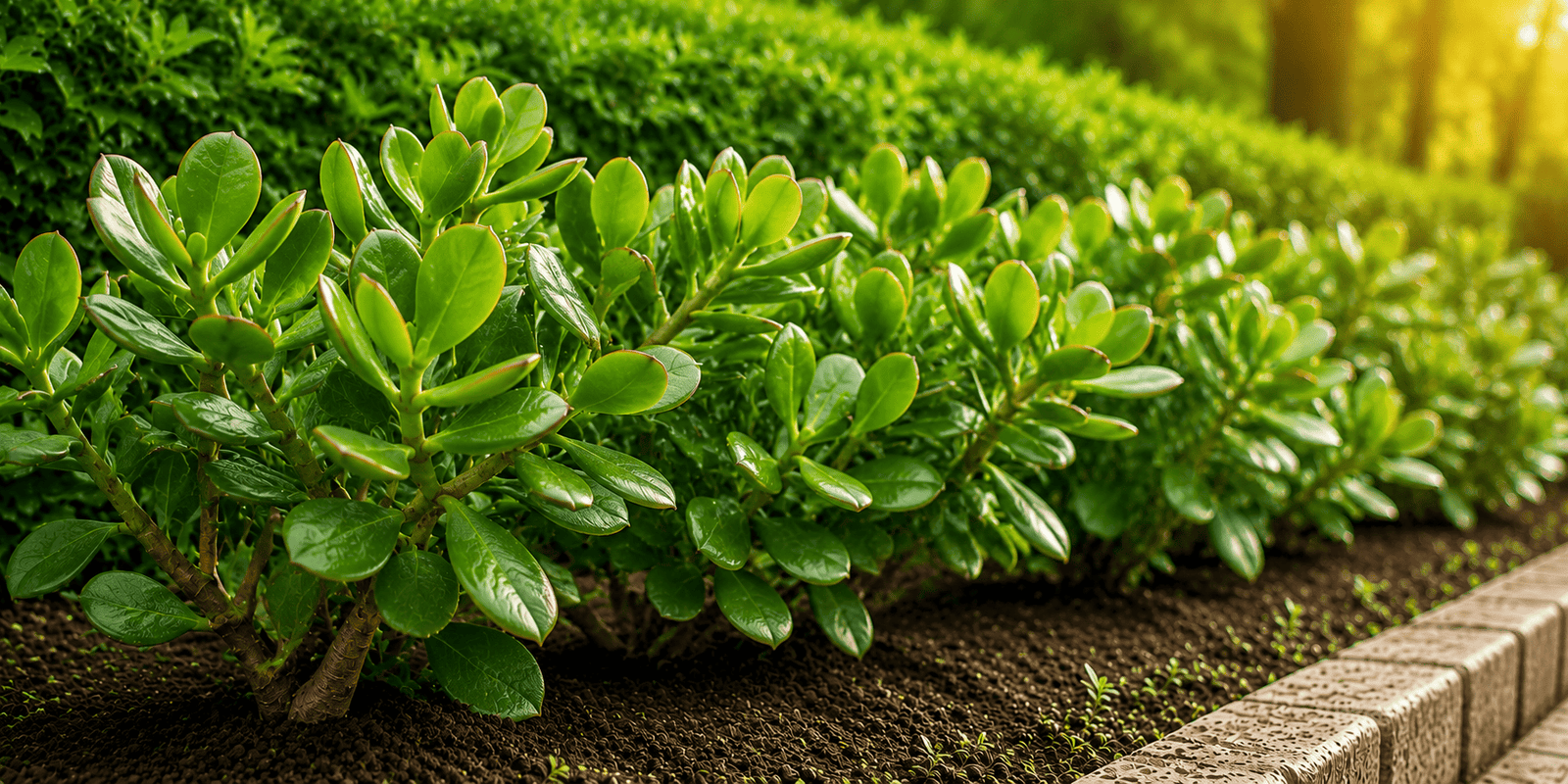
Jade Plant specimen
Architectural Succulent Display
  • Watering Guidelines: As a succulent, Jade plants store water in their leaves. Allow the soil to dry out almost completely between waterings. Overwatering is the most common cause of root rot—when in doubt, wait a few more days.
  • Growth Conditions: Thrives in bright, indirect light to full sun. While they can adapt to lower light, they will become leggy. Use a fast-draining potting mix specifically formulated for cacti and succulents.
  • Vulnerabilities: Highly susceptible to root rot in poorly draining soil. Mealybugs can be a challenge; look for white, cotton-like masses in leaf axils. Protect from freezing temperatures as they are not frost-hardy.
  • Growth Habit: A woody, long-lived perennial succulent that grows into a shrub-like or tree-like form with a thick, robust trunk and branching stems.
  • Root System: Compact, shallow root system, which allows it to thrive in smaller containers, making it an excellent candidate for bonsai training.
  • Leaf Structure: Opposite, thick, fleshy, oval-shaped leaves that are smooth and waxy, designed to minimize moisture loss in arid environments.
  • Foliage Detail: Rich jade-green color, often developing a vibrant red or bronze tint along the leaf margins when exposed to sufficient sunlight.
  • Bloom Period: Occurs in mature plants, typically during late autumn or winter when day length is shorter. Flowers are small, star-shaped, and range from white to pale pink.
  • Stems: Young stems are succulent and green, gradually hardening into a thick, smooth, woody brown bark as the plant ages, which contributes to its architectural appeal.
SAFETY: Toxicity Warning

Toxic if Ingested: The Jade plant (Crassula ovata) contains compounds that are toxic to common household pets. While often considered mild, ingestion can lead to significant discomfort and physical distress for animals.

To Humans

Mildly toxic. Ingestion of the leaves can cause digestive distress, including nausea or vomiting. Keep out of reach of young children.

To Household Pets

Toxic to dogs and cats. Ingestion can result in vomiting, lethargy, and a loss of coordination. Always keep this plant in areas where pets cannot chew on the leaves.

Handling Protocol

Jade plants are safe to touch and prune, but ensure hands are washed after handling to avoid accidental ingestion. Due to their toxicity to pets, they are best kept on elevated surfaces or in rooms inaccessible to cats and dogs.


Jade Plant
Toxic Succulent

Small efforts save a dying plant.

Get instant botanical diagnostics, precise care timetables, and expert structural advice tailored to support your garden's health daily.

Download PlantDecoder App Now

Frequently Asked Questions

Common botanical queries and troubleshooting instructions for the Jade Plant (Crassula ovata).

Why are the leaves on my Jade plant wrinkling?
Wrinkling or shriveling leaves are usually a sign that your Jade plant is thirsty. While they are succulents, they do need water when their soil has dried out completely. A thorough, deep watering usually plumps them back up within a few days.
Why is my Jade plant dropping leaves?
Leaf drop can be caused by overwatering or inconsistent watering. If the soil stays damp, the roots may be rotting, causing the plant to shed leaves. Alternatively, if the plant has been very dry for a long time, it may drop leaves as a survival strategy. Check the soil moisture levels to diagnose the issue.
Can I grow Jade plants in low light?
While they can survive in lower light, Jade plants prefer bright, indirect light or full sun. In low-light conditions, they will become "leggy," stretching their stems as they search for light, and they will grow much slower.
Why are there tiny white specks on my Jade plant's leaves?
If these specks are on the surface of the leaves, it might simply be mineral deposits from tap water, which the plant excretes through small pores. If they look like white, fuzzy cotton, however, it is likely an infestation of mealybugs, which should be treated with neem oil or insecticidal soap.
How often should I repot my Jade plant?
Jade plants do not need frequent repotting; in fact, they often prefer being slightly root-bound. You may need to repot every 2–3 years if the plant becomes too top-heavy for its container or if the soil has completely broken down.
Are Jade plants safe for cats and dogs?
No, Jade plants are toxic to dogs, cats, and horses. Ingestion can cause vomiting, lethargy, and a loss of muscle coordination. It is best to keep your Jade plant in a spot where pets cannot reach it.
Why are my Jade plant leaves turning red?
Red or bronze tints on the edges of the leaves are usually a sign of "sun stress," which is generally harmless. This occurs when the plant is exposed to plenty of direct sunlight. As long as the plant is not showing signs of burning, it is simply a natural, healthy response to bright light.
Why are the stems on my Jade plant drooping?
Drooping or soft stems are often a symptom of root rot due to overwatering. If the stems feel squishy rather than firm, check the root system for damage. If they are just drooping, the plant may also be lacking sufficient light to keep its stems sturdy.
Do I need to fertilize my Jade plant?
Jade plants are light feeders. A balanced, water-soluble fertilizer applied at half-strength during the growing season (spring and summer) is sufficient. Never fertilize during the dormant winter months.
How do I propagate a Jade plant?
Propagation is very simple: take a stem or leaf cutting, allow the cut end to callous over for a few days, and then press it into well-draining succulent soil. Avoid watering the cutting for the first week or two to prevent rotting until roots begin to form.