
Family: Asparagaceae
Lifespan: Long-lived Perennial
Lemon Lime Dracaena
Dracaena deremensis 'Lemon Lime'
🍋 Striped Foliage
🏢 Upright Habit
⚠️ Toxic to Pets


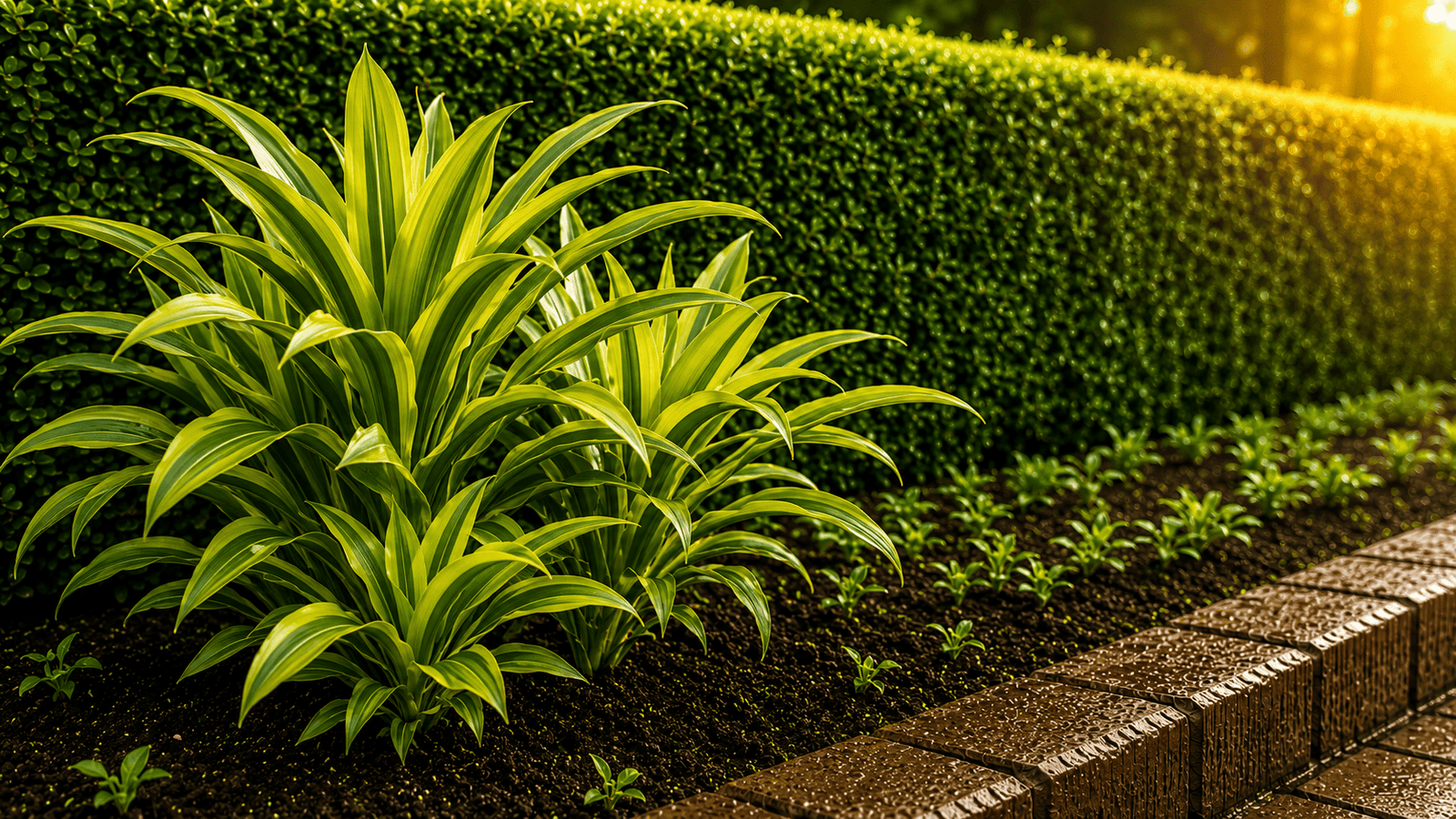
Lemon Lime Dracaena Foliage Display
- Watering Guidelines: Allow the top 2 inches of soil to dry out completely between waterings. Overwatering leads to root rot and brown leaf tips, while extreme underwatering causes drooping and crisping. Use filtered or non-fluoridated water if possible, as dracaenas are sensitive to chemical additives.
- Growth Conditions: Thrives in bright, indirect light to maintain its vibrant chartreuse and green striping. Avoid harsh direct sun, which can scorch the leaves. Prefers well-draining, loose potting mix and warm indoor temperatures between 18°C and 27°C.
- Vulnerabilities: Sensitive to fluoride and chlorine in tap water, which causes leaf tip necrosis. Prone to spider mites and mealybugs in dry indoor air. Highly sensitive to frost and cold drafts below 12°C.
- Growth Habit: Upright, slow-growing evergreen shrub featuring sturdy woody canes that branch out over time as they mature indoors.
- Root System: Develops a compact, smooth, bright yellow-to-orange root system that prefers slightly root-bound conditions in well-draining containers.
- Leaf Structure: Long, sword-shaped (lanceolate), arching leaves that spiral outward from the central woody stems.
- Foliage Detail: Striking variegated patterns featuring bold parallel bands of luminous chartreuse, lime green, and dark forest green running down the leaf blade.
- Stem Characteristics: Stiff, upright woody canes marked by ringed leaf scars where older foliage has naturally shed over time.
- Inflorescence: Mature indoor or outdoor plants occasionally produce small, fragrant white or pinkish flower clusters on long stalks, though flowering is rare indoors.
SAFETY: Toxicity & Pet Warning
Mildly Toxic: The Lemon Lime Dracaena (Dracaena deremensis 'Lemon Lime') contains saponins, which make it toxic to household pets. Keep out of reach of cats and dogs to prevent accidental ingestion and subsequent discomfort.
To Humans & Children
Generally considered low toxicity for humans, but chewing or swallowing the leaves can cause mild mouth irritation, excessive drooling, or stomach upset in young children.
To Household Pets
Toxic to cats and dogs due to saponins. Ingestion typically triggers vomiting (sometimes with blood), drooling, weakness, and lack of coordination in pets.
Placement & Handling Precautions
Display this vibrant plant on elevated plant stands, shelves, or hanging planters well out of reach of curious pets and toddlers. Wear gloves if handling broken stems or pruning large quantities.