
Lucky Bamboo


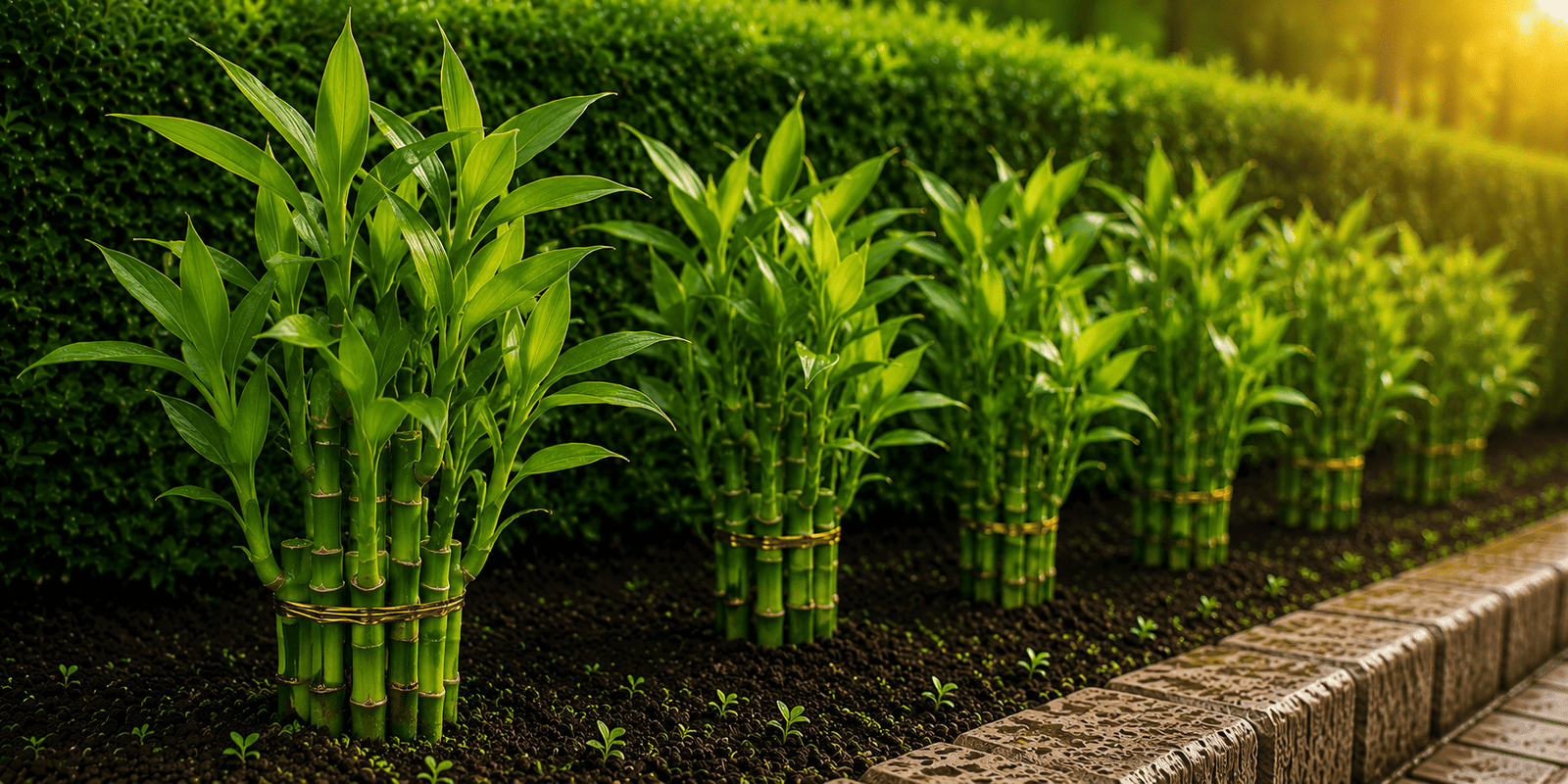
- Watering Guidelines: If grown in water, change it weekly to prevent algae and bacteria buildup. Use distilled, filtered, or rainwater, as Lucky Bamboo is sensitive to chlorine and fluoride found in tap water.
- Growth Conditions: Thrives in bright, indirect light. Avoid direct, scorching sunlight, which can burn the leaves. Ideal temperatures are between 18°C and 32°C (65°F–90°F). Keep away from cold drafts or heating vents.
- Vulnerabilities: Sensitive to chemicals in tap water, which can cause leaf tips to turn brown. Highly prone to yellowing if placed in direct sunlight or if the water quality is poor. Ensure containers remain clean.
- Growth Habit: Upright, cane-like growth. The stalks are naturally straight but are often trained into intricate spirals or braids while they are young and pliable.
- Root System: Adventitious roots emerge readily from the nodes of the stalk when submerged in water, anchoring the plant firmly and absorbing nutrients.
- Leaf Structure: Long, slender, lance-shaped leaves that grow from the nodes of the stem. They have a distinct, slightly twisted appearance, giving the plant a refined look.
- Foliage Detail: Leaves are a vibrant, glossy light-to-medium green. They grow from the top of the stalk, creating a tufted, bamboo-like appearance.
- Bloom Lifecycle: While rare for indoor specimens, mature plants can produce clusters of small, fragrant, white to pale-green flowers.
- Stalk Characteristics: The stalk is segmented like true bamboo, featuring distinct nodes. It is woody, robust, and capable of maintaining structural integrity whether grown in water or soil.
Toxic if Ingested: Lucky Bamboo (Dracaena sanderiana) contains saponins, which are toxic to household pets. While often categorized as having low toxicity for humans, it can cause significant distress if consumed by animals.
To Humans
Mildly toxic. Ingestion of the leaves may lead to digestive upset, vomiting, or abdominal pain, especially in small children who may be tempted to chew on the foliage.
To Household Pets
Toxic to dogs and cats. Ingestion can cause vomiting (sometimes with blood), anorexia, depression, and increased salivation. Keep the plant in areas where curious pets cannot access it.
Handling Protocol
Lucky Bamboo is safe to handle during routine maintenance like changing water or pruning, but avoid getting the sap on skin or in eyes. Always place the container on high, stable surfaces inaccessible to pets.