
Mistletoe Cactus


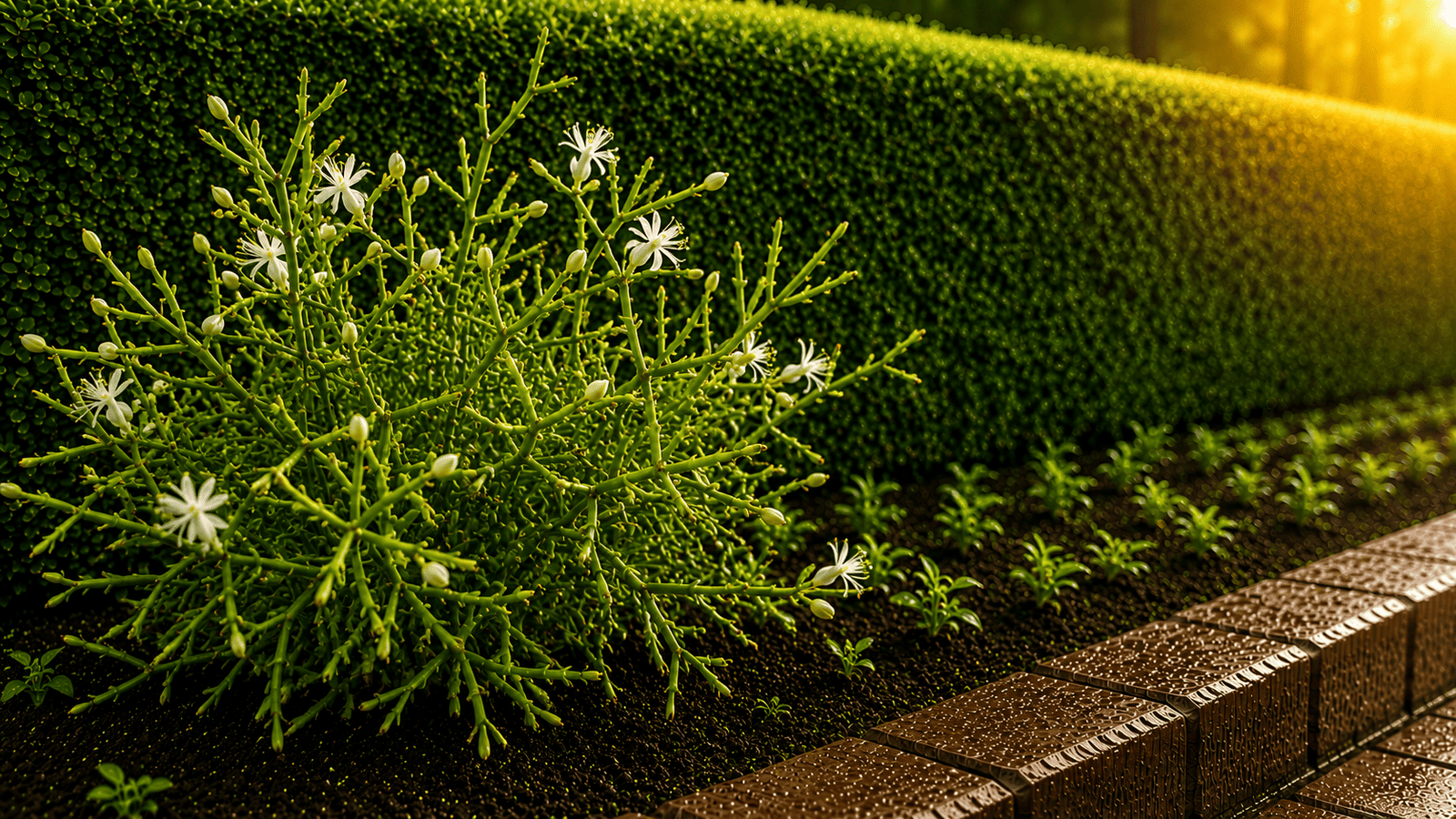
- Watering Guidelines: Keep the soil moderately moist during the spring and summer growing seasons. Allow the top inch of soil to dry out between waterings. Avoid letting it dry out completely for prolonged periods, but never leave it sitting in standing water.
- Growth Conditions: Thrives in bright, indirect light or filtered morning sun. Protect from intense, direct midday sun which can scorch its delicate stems. Requires loose, highly porous, organic-rich epiphytic or orchid potting mix with exceptional drainage.
- Vulnerabilities: Prone to root and stem rot if overwatered or planted in heavy, compacted soil. Highly sensitive to frost and cold drafts below 10°C (50°F), which can cause limpness and structural collapse.
- Growth Habit: Epiphytic, cascading perennial succulent featuring long, highly branched, pendulous stems that drape gracefully downward.
- Root System: Shallow, delicate root system adapted for anchoring to tree bark rather than growing deep in subterranean soil.
- Stem Structure: Thin, cylindrical, segmented green stems that resemble strings of mistletoe or rice grains, completely lacking traditional sharp spines.
- Foliage Detail: True leaves are generally absent or reduced to microscopic scales; photosynthesis is carried out primarily by the green succulent stems.
- Floral Morphology: Produces tiny, inconspicuous white or pale yellow flowers that emerge directly along the joints of mature stems.
- Fruit & Seeds: Followed by small, translucent, sticky white or pinkish berries reminiscent of traditional mistletoe fruit, containing tiny seeds.
Completely Safe & Pet-Friendly: The Mistletoe Cactus (Rhipsalis baccifera) is entirely non-toxic. It features spineless, trailing green stems that pose no physical puncture hazards or toxic risks to humans or animals.
To Humans & Children
Completely safe upon touch or accidental ingestion. Its spineless cylindrical stems present no risk of skin punctures or chemical irritation, making it ideal for family-friendly homes.
To Household Pets
Classified as non-toxic to cats, dogs, and horses by the ASPCA. While ingestion of large amounts of any unfamiliar fibrous plant material may cause mild, temporary stomach upset, it contains no harmful chemical compounds.
Maintenance & Handling Safety
No special protective gear or gloves are required when pruning, repotting, or handling trailing stems. Enjoy placing this decorative jungle epiphyte safely in hanging baskets or accessible shelves throughout your home.