
Peony


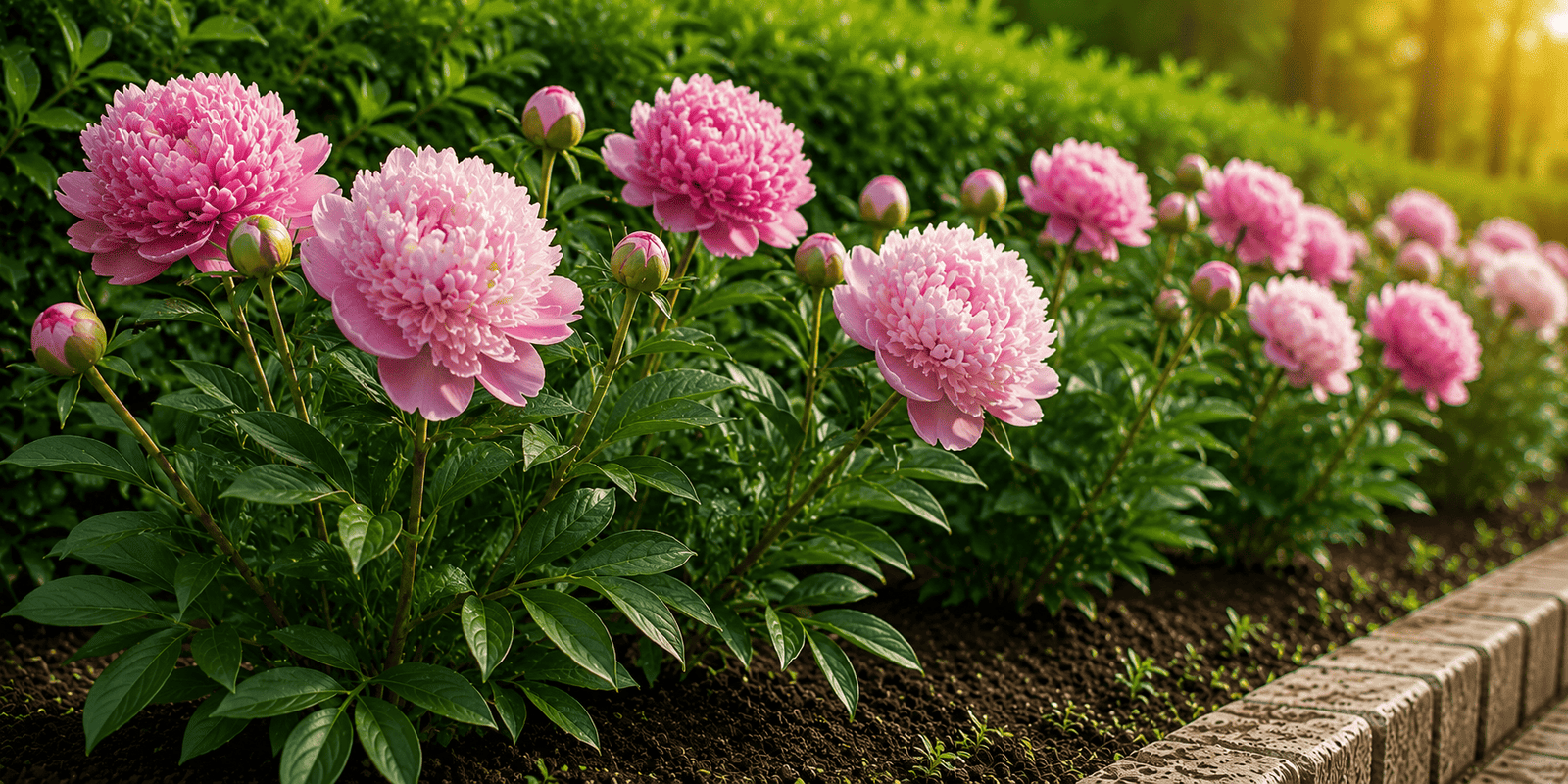
- Watering Guidelines: Requires consistent, deep watering during the spring growing season. Once established, they are moderately drought-tolerant but perform best with regular moisture.
- Growth Conditions: Thrives in full sun (at least 6-8 hours daily). Requires rich, fertile, well-draining soil. Deep planting is a common mistake; ensure the "eyes" (buds) are planted no more than 2 inches below the soil surface.
- Vulnerabilities: Susceptible to fungal diseases like Botrytis (gray mold) in damp, humid conditions. Provide ample space between plants to ensure good airflow and minimize foliage wetness.
- Growth Habit: Herbaceous perennials that die back to the ground each winter, or long-lived woody "tree" peonies. Known for their sturdy, bushy growth that requires minimal structural support.
- Root System: Develops a large, tuberous, and fleshy root system that serves as the plant's primary energy storage, allowing it to survive for decades.
- Leaf Structure: Deeply divided, compound leaves with a glossy, dark green appearance, often featuring bronze or purple tints in early spring.
- Foliage Detail: The foliage remains attractive throughout the summer even after the flowers have faded, providing a lush backdrop for other garden plants.
- Bloom Lifespan: While individual blooms are ephemeral, a well-established plant can provide a multi-week display if different varieties are planted together.
- Floral Morphology: Renowned for their spectacular, multi-petaled blossoms. Flower forms vary widely, including single, semi-double, and fully double styles, often heavily scented.
- Stem Characteristics: Stems are upright and robust, supporting the heavy, complex blooms. As the season progresses, the stems become woody and durable.
Toxic if Ingested: The entire peony plant (Paeonia) contains paeonol, a chemical compound that is toxic to pets. While generally regarded as less severe for humans, ingestion can cause significant discomfort.
To Humans & Children
Mildly toxic. Ingestion of any part of the plant, especially the roots, may lead to gastrointestinal distress, including vomiting and diarrhea, particularly in young children.
To Household Pets
Toxic to dogs, cats, and horses. Ingestion of the plant can cause vomiting, diarrhea, and depression in pets. Keep these plants well out of reach of curious animals.
Handling Protocol
While safe to handle for gardening, always wash your hands after pruning or dividing peony roots. Ensure the plant is placed in an area inaccessible to pets or toddlers who may be tempted to ingest the leaves or roots.