
Child-Safe Houseplants: The Complete Guide for Homes with Babies, Toddlers & Kids
There's a moment every new plant parent who also happens to be a parent-parent knows all too well.
You bring home a gorgeous pothos, drape it artfully on a shelf, feel very much like you have your life together — and then your fourteen-month-old pulls it down, shoves a leaf in her mouth, and stares at you with those big eyes like she's daring you to panic.
That moment is why this guide exists.
Whether you're setting up a nursery for the first time, rearranging the living room because your toddler has suddenly learned to climb everything, or just wondering if that trailing plant your mother-in-law gifted you is actually safe we've got you covered.
This is the most complete, honest, and practical guide to child-safe houseplants on the internet, written for real homes with real kids, not just aesthetics.
Why This Actually Matters: The Numbers Behind the Worry
Before we get to the good stuff — the plants you can grow without anxiety — let's take a quick, clear-eyed look at why this matters.
The American Association of Poison Control Centers consistently lists plants among the top ten substances reported in pediatric poisoning calls every year. Most cases are mild: a bit of drooling, an upset stomach, maybe some skin irritation. But some plants — the kind you'll find in perfectly curated Instagram shelfies — can cause serious harm to small children.
Here's what makes children particularly vulnerable:
Body weight
A toddler weighing 12 kg can be seriously affected by a dose that would cause zero symptoms in an adult. Toxins scale with body weight.
Exploratory behaviour
Children between 6 months and 3 years interact with the world through their mouths. It's developmental. It's normal. It's also a hazard.
Speed of ingestion
Kids are fast. The two seconds you spend looking at your phone is genuinely enough time for a curious three-year-old to sample a leaf.
Identifying the plant
Many parents who call poison control don't actually know the plant's name — they just call it "the green thing." Knowing exactly what you have at home can save crucial minutes in an emergency.
This guide helps you on both fronts: knowing which plants are safe, and being able to identify the ones that aren't.
The Big Picture: How Plants Are Toxic (And How They're Not)
Not all plant toxicity is the same, and understanding the difference will help you make smarter decisions.
Mechanical irritants
These plants have sap, crystals, or fibres that cause immediate, uncomfortable symptoms: burning in the mouth, drooling, swelling of the tongue or lips. Calcium oxalate crystals are the most common culprit. The plant family containing pothos, philodendron, dieffenbachia, and peace lilies all fall here. The reaction looks scary and feels horrible, but it's rarely dangerous. The burning sensation usually stops children from eating more. That said, you don't want your child going through it.
Systemic toxins
A smaller category of plants contain toxins that are absorbed into the bloodstream and affect organs: the heart, kidneys, or nervous system. These are the plants you genuinely need to keep away from children. Oleander, sago palm, autumn crocus, and yew fall here.
Contact irritants
Some plants cause skin rashes or eye irritation on touch, without being dangerous if swallowed in small amounts. Euphorbia is a classic example.
Completely non-toxic
A large, beautiful, and surprisingly varied category. These plants have no known toxicity to humans and are fully safe even if a child chews on them.
The goal of this guide is to fill your home with the third category, understand the first, and completely eliminate the second.
The Safest Houseplants for Homes with Children
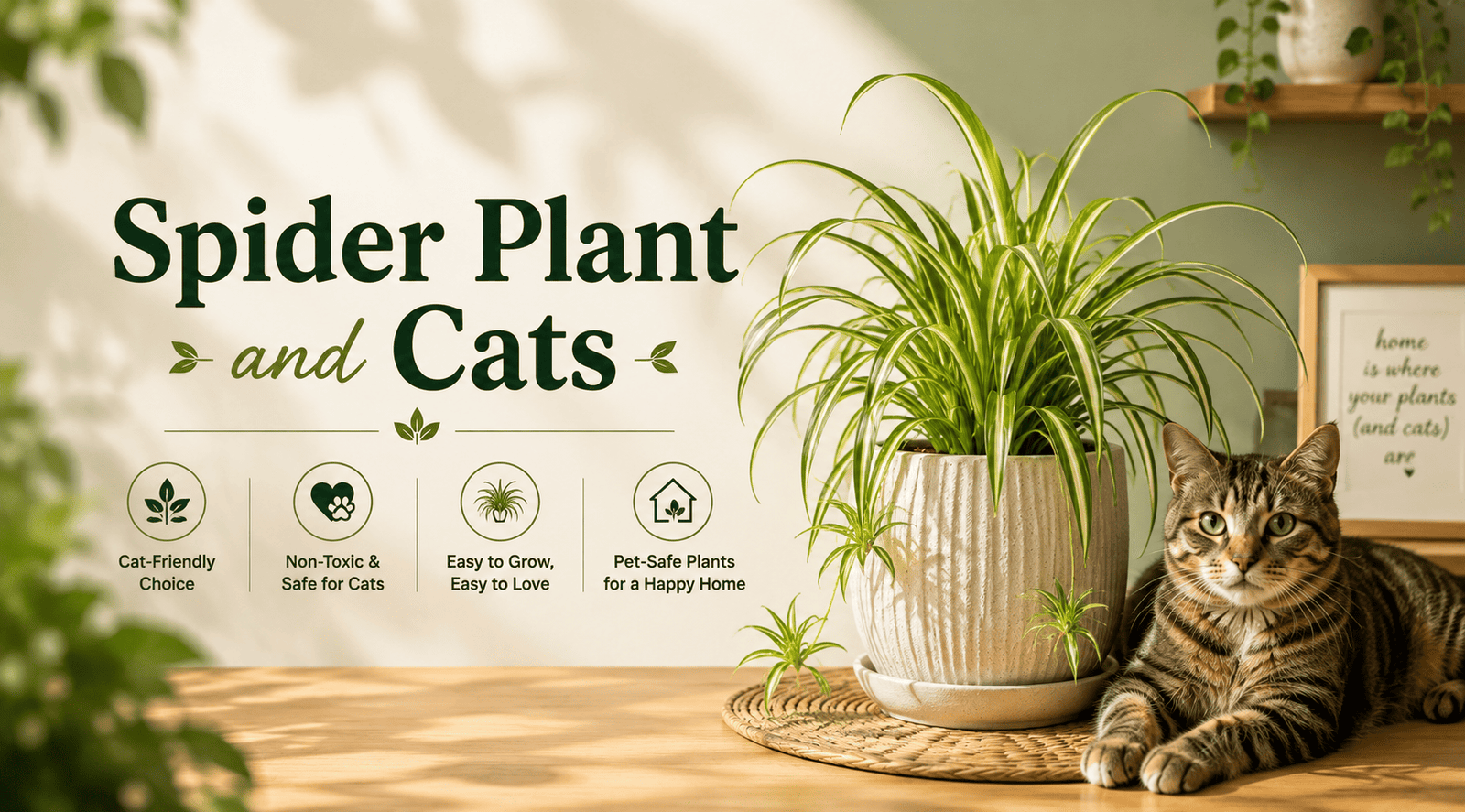
1. Spider Plant (Chlorophytum comosum)
If there were a single plant we'd recommend to every parent on the planet, it would be the spider plant.
It's nearly indestructible. It grows in low light. It produces little dangling "babies" that children find delightful. And it is genuinely, completely non-toxic to humans. No burning, no irritation, no concern.
The spider plant also happens to be one of the most effective air-purifying plants studied, working to reduce formaldehyde and xylene — compounds found in new furniture, carpets, and paint. For a nursery or child's bedroom, that's a double win.
2. Boston Fern (Nephrolepis exaltata)
The Boston Fern is a lush, full, cascading plant that makes any room feel like a tropical retreat. It's also completely safe for children of all ages.
What we love about Boston Ferns for family homes is that they're highly visible — their size and shape means children can see them clearly and learn to recognise them. Teaching children about plants from a young age, starting with safe ones, builds awareness rather than fear.
Boston Ferns love humidity, which makes them excellent bathroom or kitchen plants. They also improve air moisture levels, which can be helpful for children prone to dry-skin conditions or respiratory sensitivity.
3. Areca Palm (Dypsis lutescens)
Want drama and height in your living room without a single moment of plant-related anxiety? The Areca Palm is your answer.
This statement plant grows tall, looks spectacular, and is completely non-toxic to children and adults alike. It's one of the best large non-toxic houseplants you can own — and it doubles as an outstanding air purifier, removing xylene and toluene from indoor air.
4. Rubber Plant (Ficus elastica) — with a caveat
Here's where we get into nuance, and you deserve the honest version.
The rubber plant's sap can cause mild skin irritation in sensitive individuals, and if eaten in very large quantities could cause stomach upset. However, it is not classified as toxic by major poison control databases for humans, and the sap contact issue is minor — wash it off with soap and water.
We include it here because the real-world risk to children is very low, it's a magnificent, bold plant, and leaving it off every child-safety list would deprive you of a genuinely wonderful option. Just avoid getting the white sap in your eyes or on a child's sensitive skin when you're pruning.
5. African Violet (Saintpaulia)
Small, colourful, and entirely harmless — African Violets are lovely on windowsills and shelves and completely safe even if a curious toddler gets their hands on one.
They're also surprisingly forgiving plants, which makes them wonderful for involving older children in care. A five-year-old who is allowed to water the African Violet on the windowsill is learning responsibility, developing empathy for living things, and building a relationship with nature — all things the research says matter enormously for child development.
6. Bamboo Palm (Chamaedorea seifrizii)
Another palm family member that is completely safe for children, the Bamboo Palm is slender, elegant, and one of the top performers in air-quality studies. It grows well in lower light conditions than the Areca Palm, making it more versatile for different rooms.
7. Calathea / Prayer Plant (Calathea, Maranta)
Perhaps no plant better captures both beauty and child-safety than the Calathea family. The stunning patterned leaves — purples, greens, silvers — make them showstoppers, and they are completely non-toxic to humans.
The prayer plant earns its name by folding its leaves upward at night, which delights children who notice it. We'd call that a feature.
8. Money Plant / Pothos — THE HONEST TRUTH
We need to talk about pothos, because it's everywhere and this needs to be said clearly.
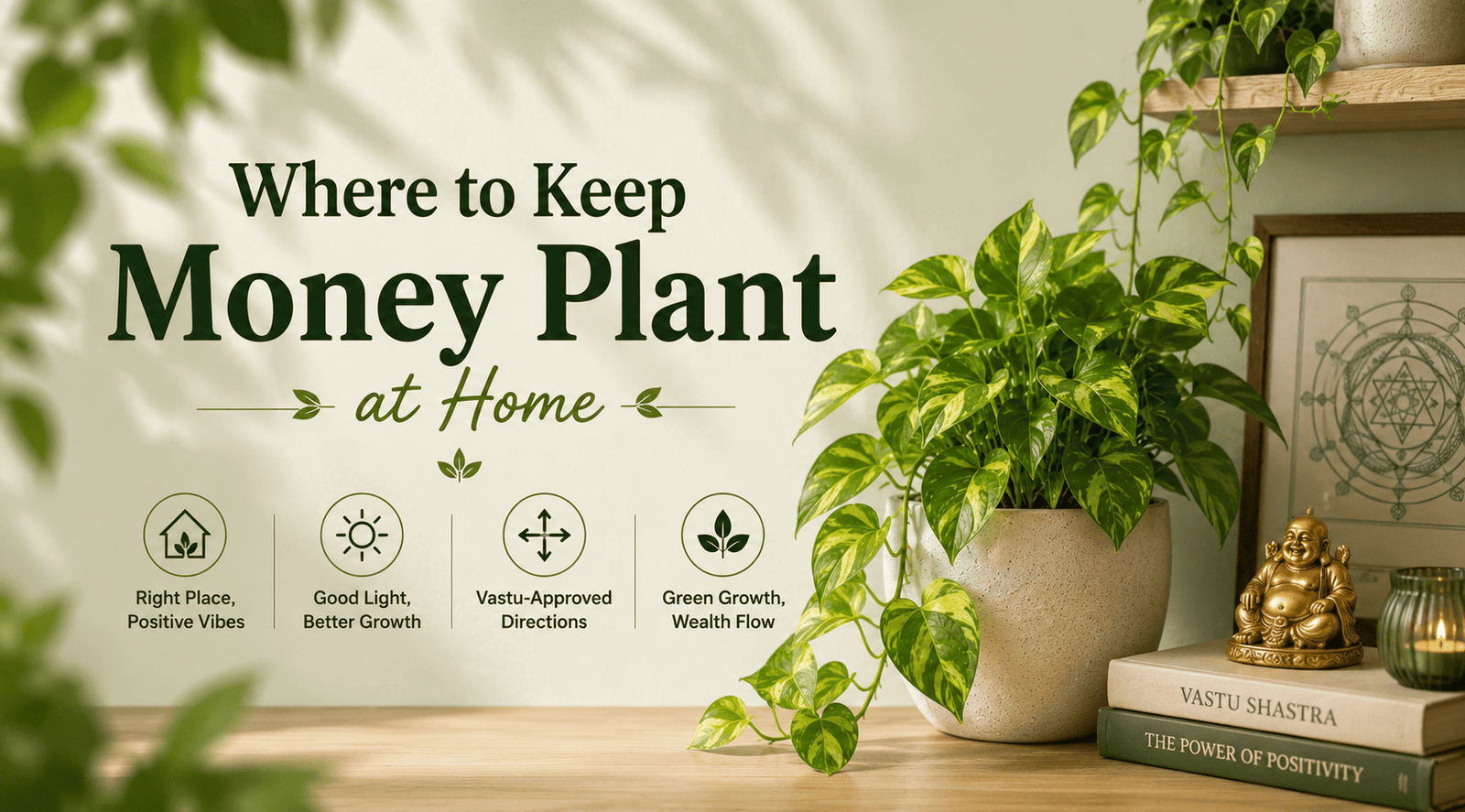
Pothos (Epipremnum aureum) — also called money plant in India — is one of the most popular houseplants in the world. It is also mildly toxic to humans due to calcium oxalate crystals. If a child chews on a pothos leaf, they will likely experience burning and irritation in their mouth, drooling, and discomfort. It is extremely unlikely to cause serious harm, but it will be an unpleasant experience for everyone involved.
The same applies to philodendrons, dieffenbachia, and peace lilies — all commonly kept, all calcium oxalate plants, all best kept high and out of reach when children are young.
This doesn't mean you must throw out your pothos collection. It means placement matters. High shelves, hanging planters at ceiling height, bathrooms with door latches — all valid strategies for the years when small hands can reach everything.
Plants to Remove Entirely from Homes with Young Children
These are not "keep on a high shelf" plants. These are "rehome them until your children are older" plants.
The toxicity risk is serious enough that proximity to young children is genuinely inadvisable.
Sago Palm (Cycas revoluta)
Beautiful, architectural, and one of the most toxic plants available in nurseries. Every part of this plant is toxic, with the seeds being especially dangerous. Even small amounts can cause liver failure. This plant has no place in a home with young children.
Oleander (Nerium oleander)
Commonly grown in Indian gardens and balconies for its abundant flowers. Every part of oleander is extremely toxic — ingestion can cause cardiac arrhythmia. Keep children away from this plant entirely.
Dieffenbachia (Dumb Cane)
The calcium oxalate crystals in this plant can cause swelling of the mouth and throat severe enough to temporarily prevent speech (hence the name). Not immediately life-threatening, but alarming and genuinely harmful to a child.
Caladium
Striking, colourful, loved by interior designers. Also a calcium oxalate plant with significant irritant properties. Keep away from children.
Autumn Crocus (Colchicum autumnale)
Less common as a houseplant but sometimes found in gardens. Contains colchicine, which is genuinely dangerous even in small amounts.
Building a Toxin-Free Nursery: A Room-by-Room Approach
The Nursery
For a baby's room, non-negotiable: only fully non-toxic plants, and placed out of any reach. Babies don't move initially, but they move faster than you expect them to.
The Living Room
This is where most plant-child interaction happens. Layer your approach: non-toxic plants at child height, anything with mild irritants at ceiling height or in rooms with doors.
The Kitchen
Children spend significant time in kitchens. Stick to herbs — basil, mint, coriander, curry leaf (kadi patta) — all non-toxic and practically useful.
Bathrooms
High humidity plants like Boston Ferns thrive here, and bathrooms often have doors children can't easily open. A good place for plants that need humidity but that you'd prefer to keep separate from small hands.
Questions Parents Actually Ask
Direct answers to common questions about houseplant safety in homes with babies and kids:
Is spider plant safe for kids?
Is pothos safe for children?
Which plants are most dangerous for toddlers?
Can I keep peace lilies with a baby?
Are succulents safe for children?
What should I do if my child eats a houseplant?
Using PlantDecoder: When You're Not Sure What You Have
Here's a truth most plant guides don't address: a lot of people don't actually know the name of every plant in their home.
That mystery trailing plant from a swap. The pot your colleague gave you when she moved. The thing your mother brought from her garden with absolutely no label.
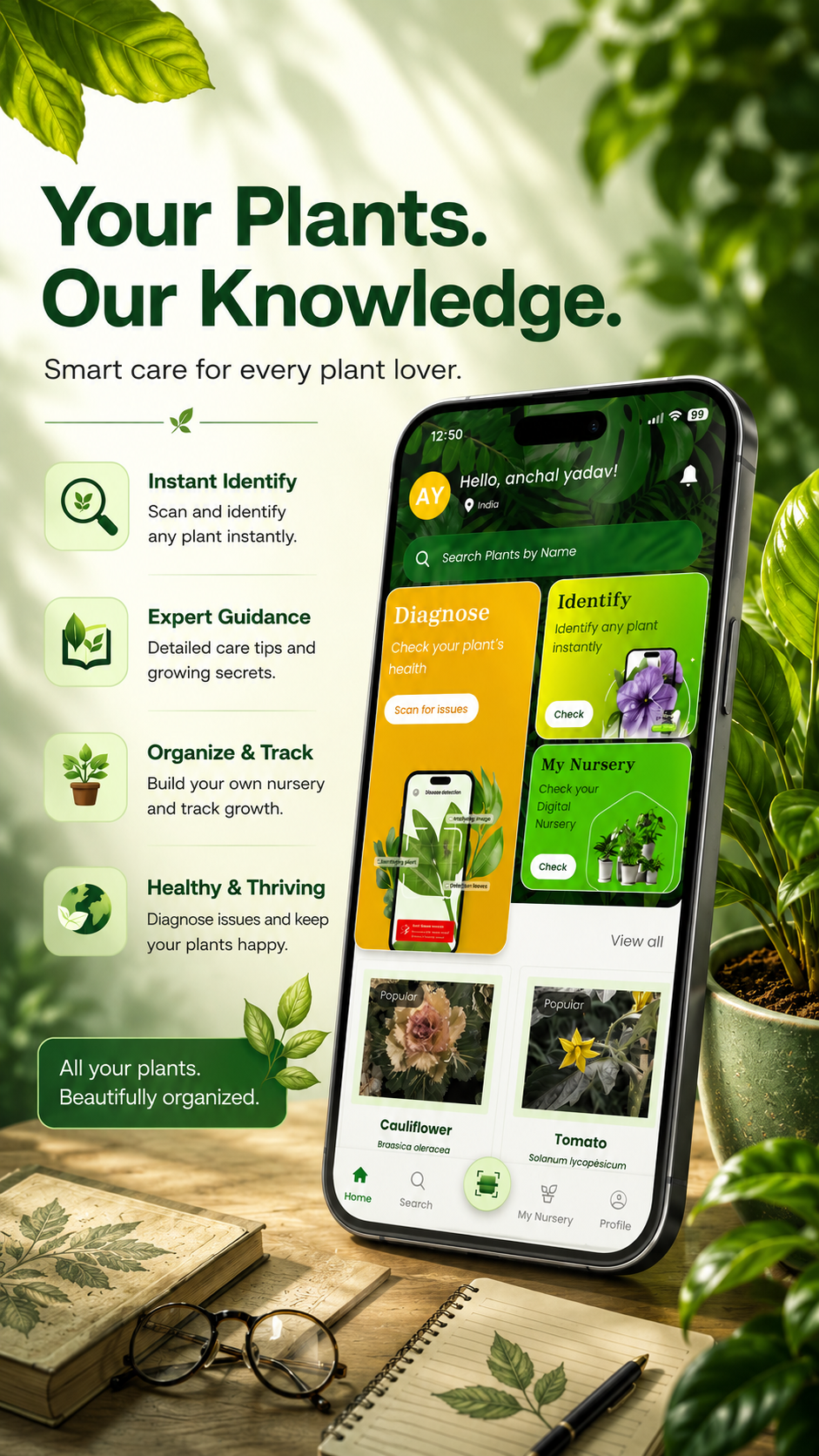
This is exactly why PlantDecoder exists. Photograph any unknown plant and our identification tool will tell you what it is — and crucially, whether it's safe for the children and pets in your home.
Because the best safety strategy isn't memorising a list of 200 plant names. It's being able to check any plant, any time, in seconds.
Check Any Plant in Seconds
Photograph any mystery plant in your home for an instant identification and child-safety rating with PlantDecoder.
Quick Reference: Child Safety at a Glance
| Plant | Common Name | Safe for Children? | Notes |
|---|---|---|---|
| Chlorophytum comosum | Spider Plant | Fully safe | Best choice for nurseries |
| Nephrolepis exaltata | Boston Fern | Fully safe | Great for bathrooms |
| Dypsis lutescens | Areca Palm | Fully safe | Excellent large plant option |
| Calathea spp. | Prayer Plant | Fully safe | Stunning, child-friendly |
| Chamaedorea seifrizii | Bamboo Palm | Fully safe | Low light friendly |
| Saintpaulia | African Violet | Fully safe | Perfect for kids to care for |
| Ficus elastica | Rubber Plant | Mild sap irritant | Keep sap from skin/eyes |
| Epipremnum aureum | Pothos / Money Plant | Mildly toxic | Keep out of child's reach |
| Spathiphyllum | Peace Lily | Mildly toxic | Beautiful but not for nurseries |
| Dieffenbachia | Dumb Cane | Toxic | Remove from homes with toddlers |
| Cycas revoluta | Sago Palm | Highly toxic | Do not keep with young children |
| Nerium oleander | Oleander | Highly toxic | Keep out of children's reach entirely |
A Final Thought: Plants and Children Can Coexist Beautifully
We want to end on this note, because plant-safety guides can sometimes feel like one long list of things to fear.
The truth is the opposite.
Children who grow up around plants — who learn to water them, who notice when new leaves unfurl, who are taught with curiosity rather than anxiety — grow into adults with a deeper relationship with the natural world. The goal isn't a plant-free home. It's a thoughtfully planted one.
Know what you have. Make smart placement decisions. Keep PlantDecoder on your phone for the mystery plants. And then go fill your home with the gorgeous, safe, life-giving greenery that it deserves.
Your home can be a jungle and a safe haven. Those two things were never really in conflict.
Not sure if a plant in your home is child-safe? Use the PlantDecoder identification tool to find out in seconds. Photograph it, and we'll tell you exactly what it is and whether it's safe for your family.
Stop Guessing. and Start Rescuing.
Join over 1,000+ plant parents who have permanently eliminated watering anxiety. Access instant Gemini AI leaf diagnostics and custom environmental care systems completely free.