

White Lily Plant (Lilium Candidum)
The White Lily plant (Lilium candidum), often known as the Madonna Lily, holds a deeply revered place across cultures and histories. Renowned globally for its striking elegance, these blooms often make people wonder.
what do white lilies symbolize? Traditionally, they represent purity, rebirth, and spiritual majesty, making them a centerpiece in architectural gardens and domestic spaces alike. Beyond their deep symbolic roots, many gardeners choose them because they want to know: do white lilies have a strong scent? Yes, true white lilies produce an incredibly rich, sweet, and unmistakable fragrance that can fill an entire garden or room with a calming, luxurious ambiance.
When a once-stately White Lily suddenly turns yellow, develops crispy brown tips, or begins drooping its pristine bell-shaped blooms, it can cause immediate panic. You might wonder if you have an unfixable issue on your hands. However, a White Lily rarely fails due to bad luck or a lack of innate gardening skill. Instead, a declining lily almost always traces back to explicit physical causes such as poor soil aeration, improper moisture levels, or fungal pathogen vectors that are entirely fixable once diagnosed.
This guide covers:
Why White Lily plants die, and how to read the warning signs
A step-by-step emergency revival protocol for bulb preservation
The botanical science behind bulb rot and leaf drop
Watering, soil, and fertilizer guidelines by season
Pest and fungal disease treatment (aphids, lily beetles, botrytis blight)
Indoor vs. outdoor care, and flower spike management
Madonna Lily vs. Easter Lily cultivar comparison
Safety placements and feline toxicity avoidance
A quick-reference troubleshooting table
The 10 most frequently asked White Lily care questions, answered directly
Quick Diagnostic Matrix
Before executing a specific troubleshooting treatment, analyze your plant’s fundamental environment against this baseline matrix to pinpoint where your care routine might be drifting out of range.
Factor |
Baseline Requirement |
|---|---|
Sunlight
|
6–8 hours of direct morning sunlight. Requires shaded roots but full sun exposure on the upper foliage.
|
Watering
|
Drench thoroughly only when the top 2 inches of soil dry completely. Avoid rigid, calendar-based daily routines.
|
Water quality
|
Highly sensitive to salt buildup, high fluoride levels, and heavily chlorinated tap water.
|
Soil
|
Loose, highly aerated, well-draining organic mix; neutral to slightly alkaline pH (6.5–7.5).
|
Pests
|
Prone to lily beetles, aphids, thrips, and organic fungal blights in stagnant or highly humid air.
|
Placement
|
Placed in bright exterior borders or deep pots, completely inaccessible to domestic pets.
|
Why Is My White Lily Plant Dying?
A White Lily typically suffers structural decline due to a combination of environmental stressors:
- Overwatering and stagnant, poorly oxygenated container soil
- Hidden fungal bulb rot originating from waterlogged root systems
- Severe light deprivation or insufficient daily UV exposure
- Extreme midsummer heatwaves or sudden freezing temperature shocks
- Fungal pathogens like Botrytis leaf blight
- Root-bound configurations or heavily compacted clay soil beds
- Excessive ambient moisture during heavy rainy seasons
"The single most common cause is waterlogged soil, which suffocates the roots and invites fungal infection."
Healthy Plant vs. Symptomatic Plant
Healthy White Lily |
Symptomatic / Dying White Lily |
|---|---|
Vibrant, rich green lanceolate leaves
|
Brittle, dry, or dehydrated papery brown foliage
|
Erect, sturdy, and self-supporting green stems
|
Mushy, weak, or spotted dark brown/black stems
|
Firm, ivory-white flower buds with intense fragrance
|
Fungal film, brown spots, or powdery mold growth on buds
|
Plump, crisp, creamy-white underground bulb scales
|
Pest clusters, soft yellow scales, or slimy black root rot
|
How to Revive a Dying White Lily: 4-Step Emergency Protocol
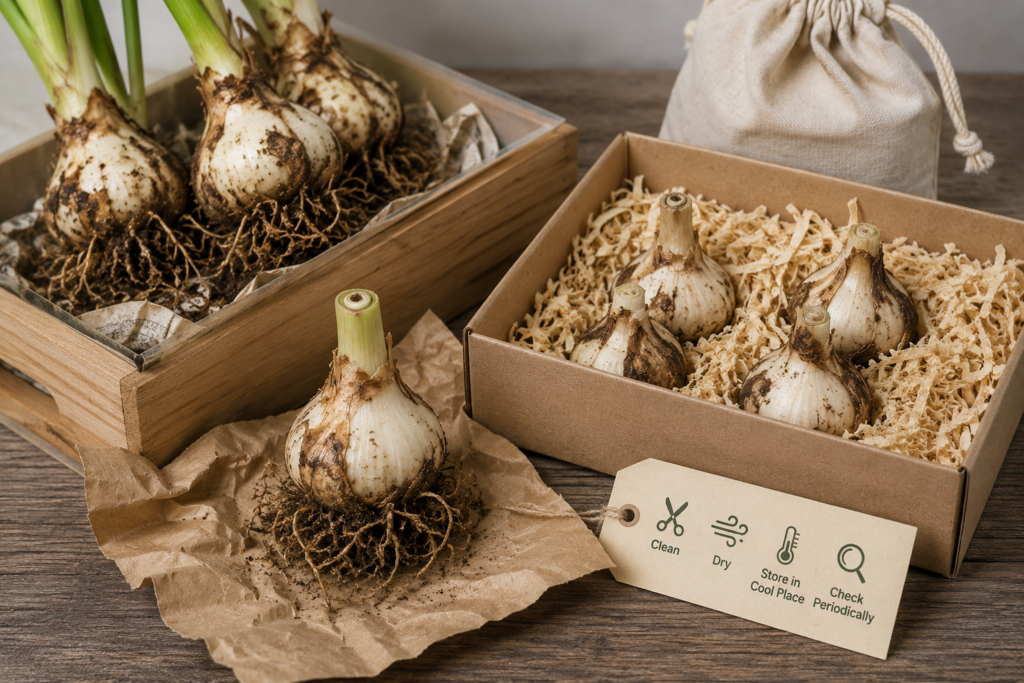
If your lily is dropping its leaves, demonstrating soft black stems, or wilting despite wet soil, you must intervene immediately. Fungal bulb infections can destroy the plant’s underground storage system within a matter of days if left unchecked.
Step 1: Inspect the Roots (15 minutes)
Gently tip the container or carefully excavate around the plant to ease the lily out of its bed without scratching or slicing the main bulb base. Carefully shake free the surrounding earth. Healthy lily roots are thick, firm, and white to light tan. Healthy bulbs are plump, cream-colored, and clean-scented. If the bulb feels soft, smells sour, or shows slimy, black-brown roots, it is suffering from advanced root rot. Wash away the old, toxic soil under slow-running room-temperature water to completely expose the damage.
Step 2: Prune Diseased Roots, Stems, and Spent Blooms
Using a pair of sharp pruning shears or bypass pruners sterilized with rubbing alcohol:
Snip off all black, mushy, or hollow roots back to healthy white tissue.
Peel away any rotten, yellowed, or decaying outer scales from the primary bulb.
Cut down blackened or collapsing stems to the highest point of clean green tissue.
Clip away dying flower stems and spent seed pods.
Removing spent reproductive elements and faded blooms redirects vital carbohydrate energy away from seed production and channels it back into structural recovery, root regeneration, and bulb preservation.
Step 3: Repot in Fresh, Well-Draining Soil
Never reuse the old potting medium, as it likely harbors active fungal spores that will re-infect the plant. Thoroughly clean the container with soap and water, ensuring the drainage holes are clear. Rebuild your potting profile using a light, fluffy, airy composition:
50% Garden Soil30% Organic Compost / Vermicompost20% River Sand or Perlite
As an essential organic antifungal measure, lightly dust the cleaned roots and raw bulb scales with natural turmeric powder or an organic systemic horticultural fungicide before replanting. Position the bulb at a depth roughly three times its overall height.
Step 4: Water Once, Then Hold Back
Moisten the fresh soil mix thoroughly until water drains freely from the bottom ports. After this initial hydration, withhold all water until the top several inches of soil feel completely dry. Situate the container in a warm, sheltered location that receives plenty of bright, filtered morning light, away from baking afternoon heat waves or cold drafts. Anticipate a 7–14 day recovery shock window where the plant may look stagnant; this is a normal phase as it shifts energy into developing new root shoots.
The Science Behind White Lily Root Rot
Botanically, the White Lily (Lilium candidum) belongs to the Liliaceae family, characterized as a bulbous perennial designed to store starch reserves during periods of winter dormancy. Because its underground structure consists of un-unicated, fleshy scales lacking a protective papery outer skin, it is uniquely vulnerable to soil environments with poor drainage.
Lily roots require open air pockets within the soil structure to absorb oxygen for cellular respiration. When these air pockets become consistently clogged with stagnant water, root respiration ceases, leading to cellular hypoxia. This starvation causes the root tips to die and decay. The compromised tissue becomes a prime target for opportunistic, soil-borne water molds and oomycetes—predominantly Pythium, Rhizoctonia, and Fusarium species.
This process explains the classic botanical paradox: a drowning lily plant frequently exhibits signs of severe visual dehydration, such as wilting and crispy leaf tips. Because the root system has collapsed from rot, it can no longer transport moisture up the stem, causing the upper foliage to dry out even when sitting in a completely saturated pot.
White Lily Leaves Turning Yellow: Causes & Solutions
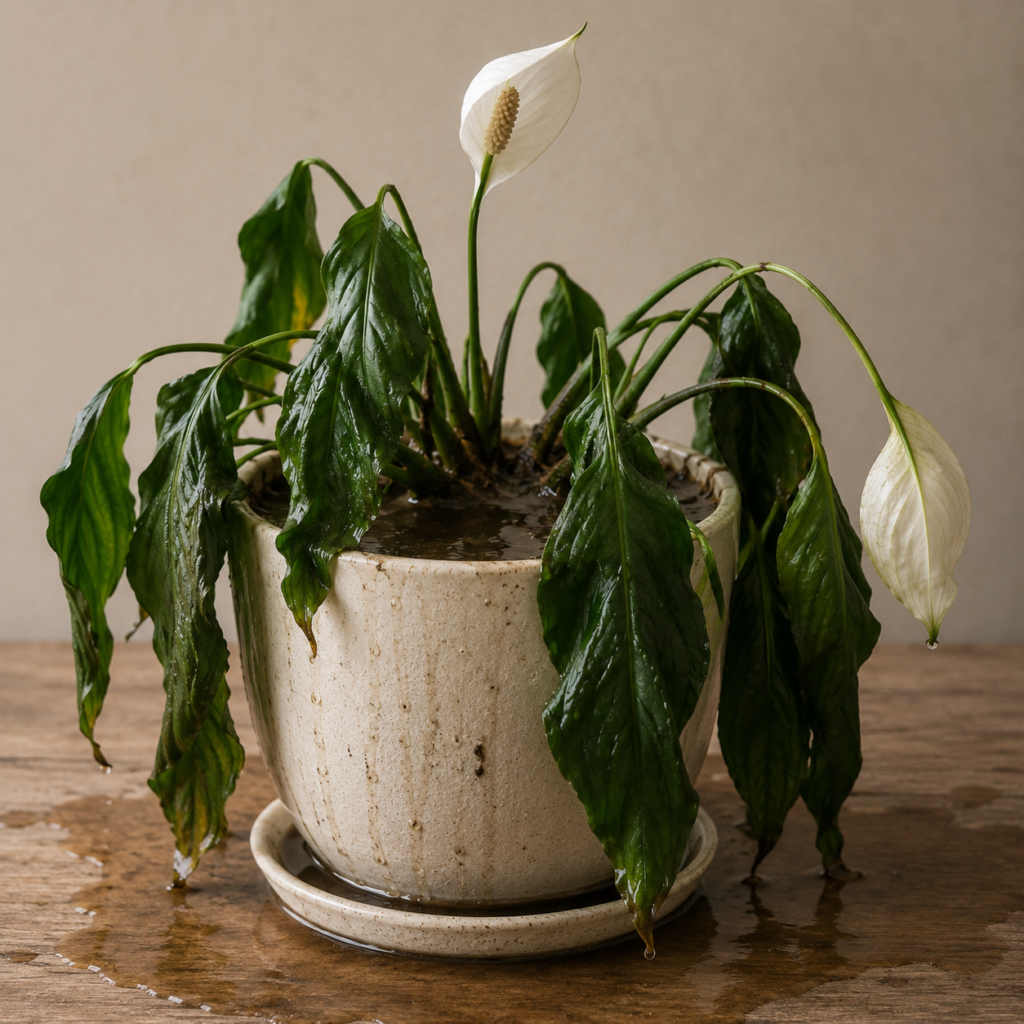
Overwatering (most common)
Saturated soil strips oxygen from the root zone, triggering cellular decay. The lower leaves lose their firm texture, turning pale yellow before dropping off.
Solution:Immediately cut back your watering frequency, check that drainage pathways are unblocked, and transfer the plant into a lighter, sandier potting mix.
Lack of Sunlight
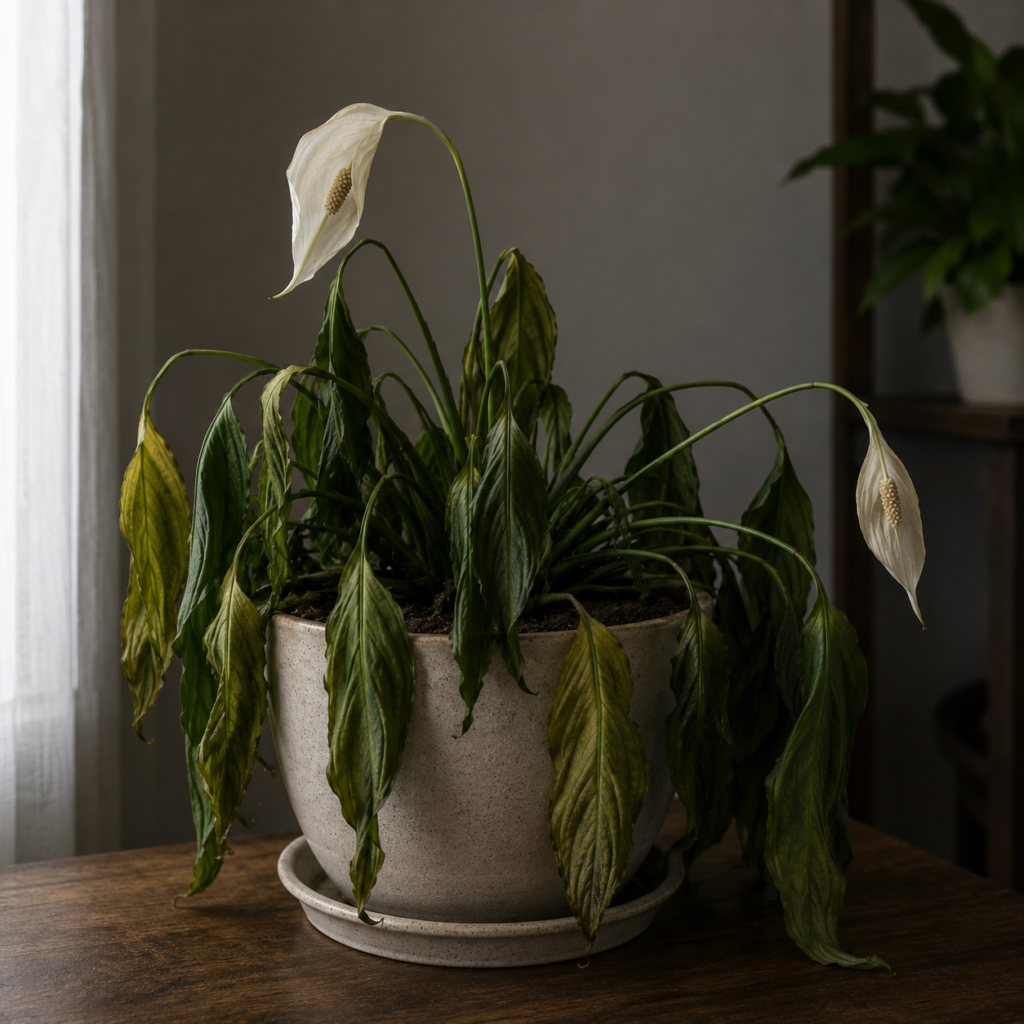
Without sufficient sunlight, the plant cannot synthesize enough chlorophyll, causing its dark green leaves to fade to a weak yellow color as its growth stalls. . Solution: Gradually transition the plant to a location where it receives at least 6 hours of direct, unfiltered morning sunlight every day.
Nutrient Deficiency
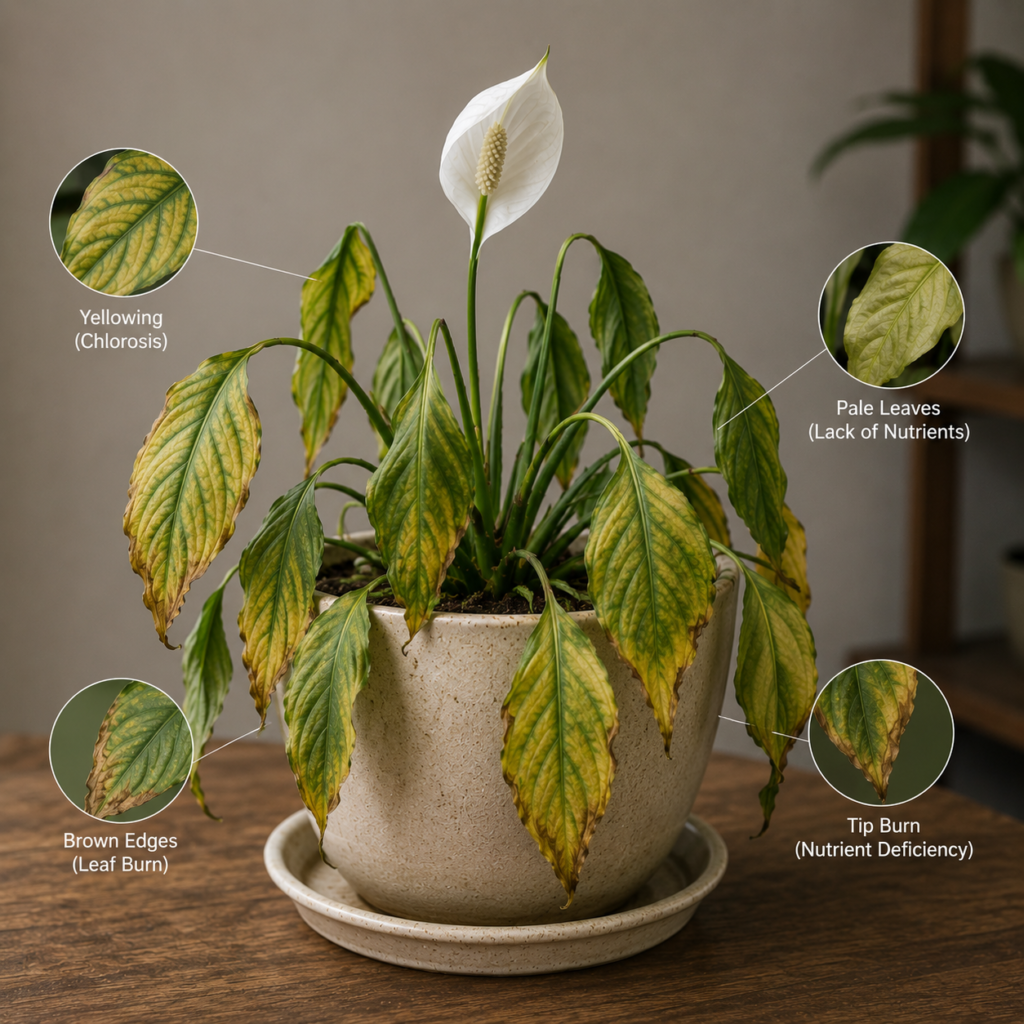
A shortage of key nutrients shows up as yellowing on new leaves while the older, lower foliage stays relatively green, or as yellow spaces between green leaf veins.Solution: Apply a balanced, slow-release organic fertilizer or top-dress the soil with a fresh layer of nutrient-dense vermicompost once a month during active growth.
White Lily Leaves Turning Brown or Black
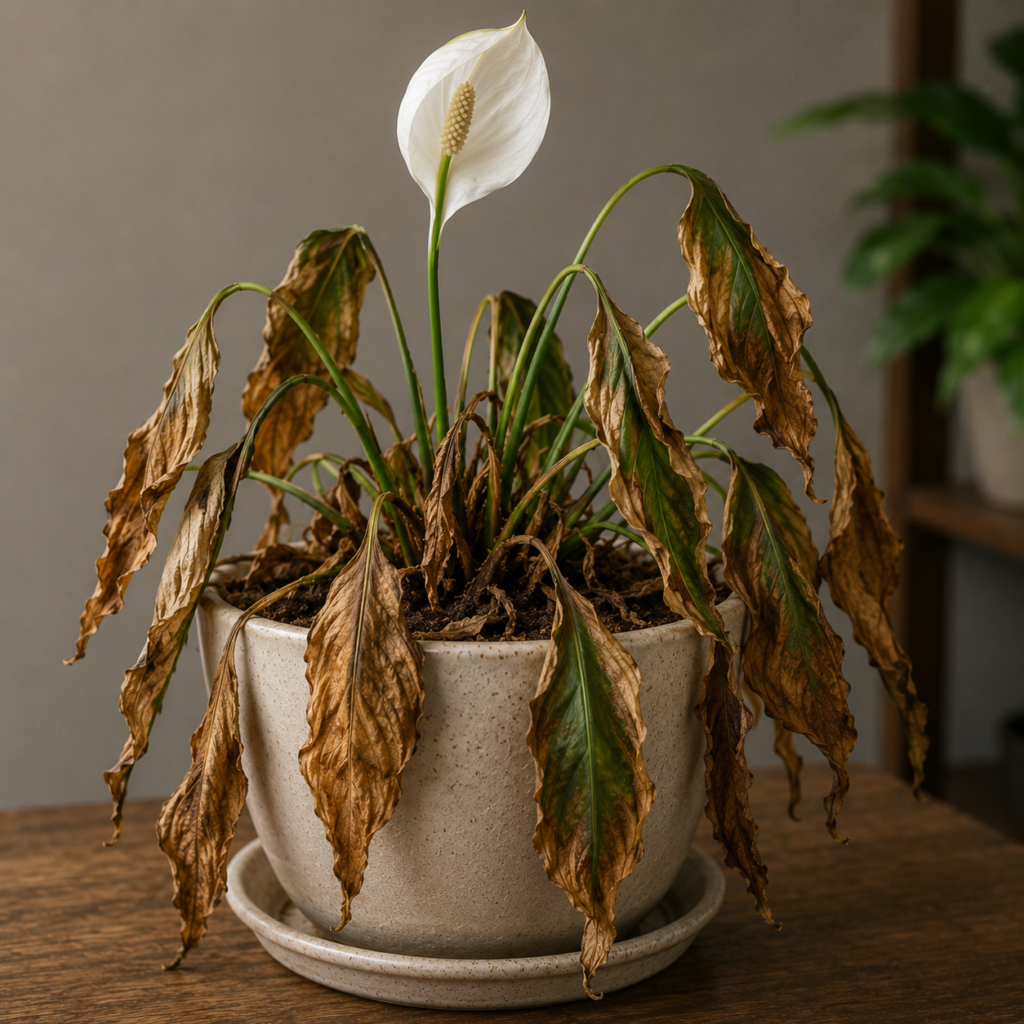
Dry, Crispy Brown Leaves
This condition usually points to severe atmospheric dehydration, heat stress, or root scorch from intense midday sun exposure.
Relocate your outdoor potted lilies into partial shade during peak afternoon heat.
Always water your plants in the early morning hours to limit moisture loss from evaporation.
Let chlorinated municipal tap water sit out in an open container overnight to let dissolved gases escape before using it.
Group multiple pots close together to form a humid microclimate.
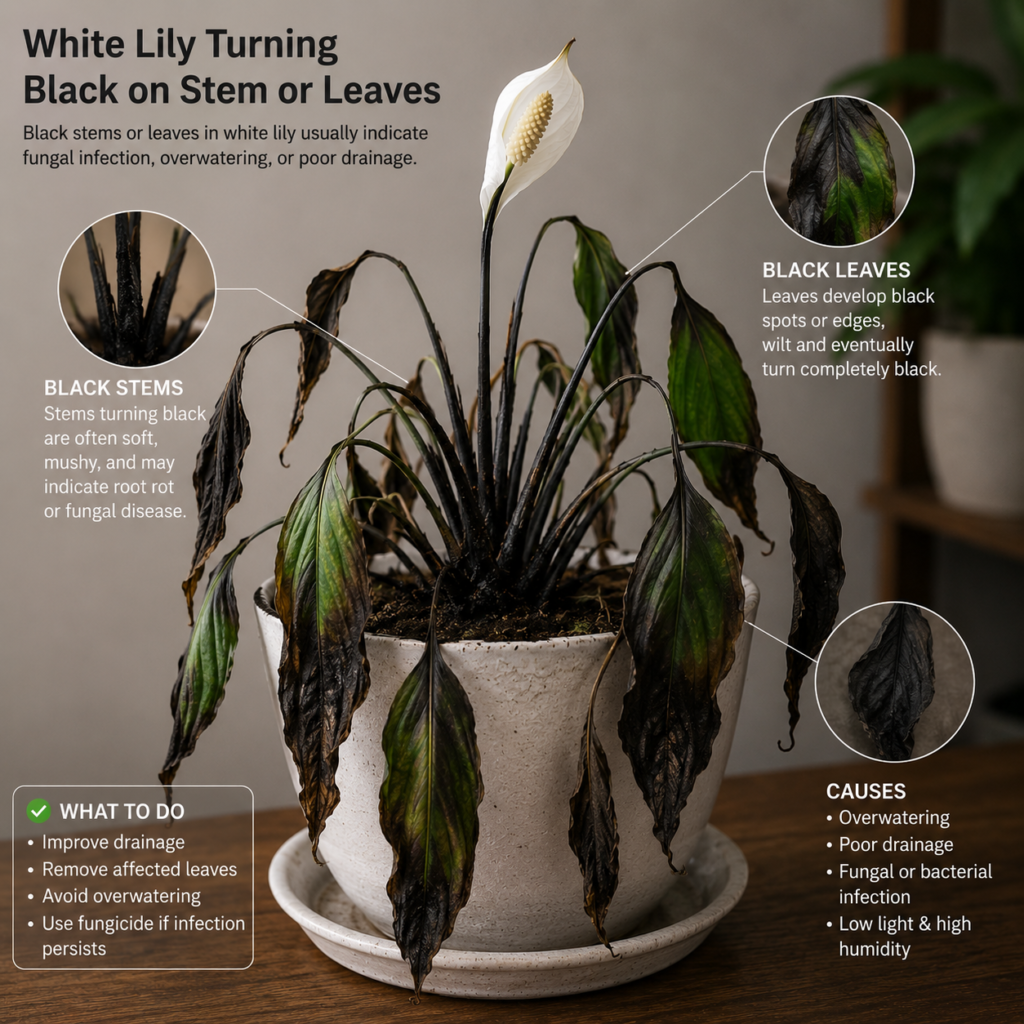
Black Stems or Leaves
Dark black patches along the stems or leaves typically indicate advanced root rot, a severe fungal disease like Botrytis blight, or sudden frost damage.
Immediately unpot the plant to inspect the bulb, prune away soft spots, and repot in fresh, clean soil.
Thin out surrounding plants to optimize air circulation and clear out stagnant pockets of humidity.
Let the soil dry out more thoroughly between waterings.
Move indoor pots away from cold window glass, or cover outdoor plants on chilly nights.
White Lily Watering Guide by Season
Watering needs change throughout the year based on shifting weather patterns. Avoid using a rigid, calendar-based routine; always test the soil moisture first.
Summer
Highly active phase. Deeply water early in the morning when the top 1–2 inches of soil feel dry. Hotter climates may require closer monitoring to prevent the soil from drying out completely down to the bulb.
Monsoon
High risk of waterlogging. Suspend manual watering entirely if the plant is exposed to rainfall, and remove under-pot saucers so water doesn't pool at the base.
Winter
Dormant or semi-dormant period. Significantly lower your watering frequency, giving the plant just enough moisture every 10–14 days to keep the bulb from drying out. Always use room-temperature water.
Soil & Nutrition Deep Dive
Ideal Soil Mix
White Lilies need an open, coarse soil structure that allows roots to expand freely while shedding excess water. Avoid heavy, dense clay soils, which pack down tightly, trap moisture around the bulb, and quickly lead to rot. Aim for this balanced ratio:
50% Loamy Garden Soil
30%
Vermi compost
20% Clean River Sand
Best Fertilizer
Stick with gentle, slow-release organic options rather than harsh synthetic chemical fertilizers, which can burn the lily’s sensitive roots and alter soil pH. Top-dress with well-rotted cow manure or vermicompost every 3–4 weeks during the spring and summer growing season. Adding a spoonful of bone meal provides a natural source of phosphorus, which helps build strong bulbs and vibrant flowers.
Seasonal White Lily Care in India
Summer (April–June)
- True lilies face intense heat during Indian summers.
- Protect them from the scorching afternoon sun by using a green shade net, and water early in the morning to keep the root zone cool.
Monsoon (July–September)
- Extended monsoon rains pose a major risk for bulb rot. Move containers under a roof or awning to prevent them from getting flooded, and make sure pots aren’t sitting in water-filled saucers.
Winter (October–February)
- “White Lily enters semi-dormancy in winter, so slower growth during this period is normal, not a problem.”
- Reduce watering to a minimum during these months, and keep the soil just barely damp until spring growth begins.
"Tulsi enters semi-dormancy in winter, so slower growth during this period is normal, not a problem."
Indoor White Lily Plant Care
While it’s tempting to keep these beautiful flowers inside, White Lilies are outdoor plants at heart and struggle over the long term without direct sunlight.
If you are growing them indoors, place them by a bright east- or south-facing window where they can catch ample morning light. Keep the room well-ventilated to avoid stagnant air, and make sure the pot is placed far away from air conditioning vents or heaters, which can dry out the foliage.
If the plant doesn’t get enough light, it will become leggy growing tall, thin stems with sparse leaves and may fail to bloom.
Treat indoor placement as a temporary highlight, and move the pot outdoors whenever possible to help the plant regain its strength.
White Lily Pest Control: Insect & Fungal Management
Natural Neem Oil Spray
To handle common pests like aphids, thrips, and whiteflies without using harsh chemicals, mix up a simple home remedy:
1 Teaspoon of cold-pressed organic neem oil
4–5 Drops of mild liquid soap (acts as an emulsifier)
1 Liter of warm water
Shake the mixture well and thoroughly spray the entire plant, making sure to get under the leaves and around stem joints where pests like to hide. Repeat this treatment every 4 days for two weeks until the insects are gone.
Fungal / Powdery Mildew Treatment
If you notice greyish-white fungal spots or Botrytis blight on the leaves, carefully clip away the worst-affected foliage. Then, treat the plant using an organic baking soda spray:
1 Tablespoon of baking soda
1 Teaspoon of horticultural or vegetable oil
2 Liters of water
Mix well and spray the plant once a week during humid weather. For a traditional alternative, use a diluted buttermilk spray (1 part fresh curd or buttermilk to 10 parts water); the natural, beneficial bacteria help compete against and check the spread of fungal spores on the leaves.
Why You Should Remove Spent Flower Spikes
Once your lily finishes blooming, it redirects its energy into developing seed pods on the old flower spike. Leaving these pods to mature signals to the bulb that its reproductive cycle for the year is complete, which slows down new leaf growth and causes the stems to become woody and spent.
To keep your lily healthy for the next season, check the plant a few times a week and snip off faded flowers right at the base of the stem. Removing these spent blooms prevents seed development and coaxes the plant into funneling its nutrients downward, plumping up the underground bulb scales for a stronger flush of growth next year.
Madonna Lily vs. Easter Lily
Madonna Lily (Lilium candidum) |
Easter Lily (Lilium longiflorum) |
|---|---|
Forms a low rosette of leaves in autumn, followed by a tall stem in spring.
|
Grows straight up as a single, leafy stem from spring through summer.
|
Pure white, wide, trumpet-shaped blooms with bright yellow anthers.
|
Elongated, narrow white trumpets, often forced to bloom in early spring.
|
Intense, heavy, sweet classic fragrance that carries far on the breeze.
|
Lighter, clean, crisp floral scent.
|
Prefers shallow planting and thrives in neutral to slightly alkaline soils.
|
Prefers deeper planting and does best in neutral to slightly acidic soils.
|
Both belong to the same species and require similar day-to-day care.
Placement Tips for White Lily
Position pots where they receive clear morning sun but stay protected from intense afternoon heat.
Ensure the plant is set on an elevated stand or open ground where water can drain away freely from the base.
Keep lilies away from high-traffic entryways where the heavy pollen could stain clothes or furnishings.
Are white lilies toxic to cats? Yes, true lilies from the Lilium genus are highly toxic to felines. Even swallowing a tiny bit of pollen, leaves, or water from the saucer can cause severe, life-threatening kidney failure in cats. Always place these plants in a secure outdoor area or a dedicated garden space that pets cannot reach.
Quick Troubleshooting Table
| Problem | Likely Cause | Solution |
| Lower leaves turning soft and yellow | Overwatering and poor drainage | Cut back watering and check that the pot’s drainage holes are clear. |
| Leaf tips turning dry, crispy, and brown | Heat stress or mineral-heavy water | Move the pot to afternoon shade and use water that has sat out overnight. |
| Silvery streaks on leaves or deformed buds | Thrips or aphid damage | Spray the plant thoroughly with a natural neem oil mix every 4 days. |
| Soft, collapsing stems with dark patches | Severe bulb or root rot | Unpot immediately, trim away mushy roots, and repot in fresh, clean soil. |
| Drooping leaves despite wet soil | Root suffocation from standing water | Shift the plant to a lighter, well-draining soil mix with extra perlite. |
| Pale green leaves and few or no flowers | Lack of sunlight or low nutrients | Move the pot to a sunnier spot and top-dress with organic compost. |
Frequently Asked Questions
Q1. How do you care for a white lily?
Caring for a White Lily comes down to managing a few key elements: give the plant 6–8 hours of bright morning sun, use an open, well-draining soil mix (like a blend of garden soil, compost, and perlite), and water deeply only when the top two inches of soil have completely dried out. Be sure to cut back the flower spikes once the blooms fade to help keep the bulb strong.
Q2. Are white lilies toxic to cats?
Yes, true white lilies (Lilium) are extremely dangerous to cats. Every part of the plant—including the leaves, petals, pollen, and even the water in the pot’s saucer—contains toxins that can cause sudden kidney failure in felines. If you suspect your cat has chewed on a lily or licked lily pollen off its fur, take them to a veterinarian immediately.
Q3. What do white lilies symbolize?
Across many cultures, white lilies traditionally stand for purity, renewal, modesty, and spiritual grace. Because of these historic meanings, they are frequently chosen for important life events, serving as central arrangements for both weddings and memorial services.
Q4. Do white lilies have a strong scent?
Yes, true white lilies are famous for their rich, sweet, and powerful fragrance. The scent is often strongest in the evening and can easily fill an enclosed garden or room, which is why they are so popular with gardeners looking to add a natural perfume to their living spaces.
Q5. How long do white lilies last?
On the plant, a single white lily bloom typically stays fresh for 4 to 7 days, while a whole flower spike with multiple buds can provide color for 2 to 3 weeks as the blossoms open in turn. As a cut flower in a vase, they generally last between 7 and 10 days if you change the water regularly and trim the stems.
Q6. How often should I water my White Lily to prevent root rot?
There is no single schedule that works year-round, as how fast the soil dries depends on the weather. The best approach is to check the soil with your finger and water only when the top 1–2 inches feel completely dry. If you notice water sitting on top of the soil for more than a few seconds, your potting mix is too dense and needs more sand or perlite mixed in.
Q7. Why are the lower leaves of my lily turning yellow and dropping off?
This is almost always a sign of overwatering. When the soil stays constantly wet, it suffocates the roots, causing the lower leaves to lose their firm texture, turn pale yellow, and drop. If the leaves are turning yellow but the soil is dry, the plant likely isn’t getting enough daily sunlight.
Q8. Can a White Lily grow indoors permanently?
True lilies generally do not thrive indoors over the long term. They need several hours of direct, unfiltered sunlight to maintain their energy reserves and produce flowers. Keeping them indoors full-time often leads to weak, leggy stems and poor blooming. If you want to keep them inside, place them by your brightest window and try to move them outdoors for part of the year.
Q9. What is the best organic fertilizer for a White Lily?
A mix of well-rotted vermicompost or aged manure combined with a spoonful of bone meal works beautifully. Apply this organic top-dressing once a month during the spring and summer growing season. Avoid heavy synthetic fertilizers, which can alter the soil balance and burn the lily’s delicate roots.
Q10. How do I protect my lily during the winter?
In the winter, the White Lily cuts back its growth and enters a resting phase. Reduce your watering to a minimum—just enough to keep the bulb from drying out completely—and avoid using cold water, which can shock the plant. If you live in an area with freezing winters, add a layer of straw or leaf mulch over the soil to protect the bulb from frost.
Final Thoughts
The White Lily is a remarkably resilient perennial once you understand its basic underground needs. The vast majority of care issues trace back to just four common factors: overwatering, poor soil drainage, lack of direct morning sun, or seasonal climate stress.
By getting these four basics right—providing plenty of morning sunlight, using an open, well-aerated potting mix, watering based on actual soil dryness rather than habit, and acting quickly at the first sign of yellowing leaves—you can easily save a struggling plant and keep your lilies growing beautifully for years to come.
Stop Guessing. and Start Rescuing.
Join over 1,000+ plant parents who have permanently eliminated watering anxiety. Access instant Gemini AI leaf diagnostics and custom environmental care systems completely free.