
Best Plants for Home Entrance: The Complete Guide to Indoor and Outdoor Ideas
By PlantDecoder | Last updated: 2026
There's a reason every hotel you've ever loved had something green at the entrance.
Whether it was a towering statement plant in the lobby, a row of perfectly clipped topiaries flanking the door, or a fragrant jasmine climbing the trellis by the gate — the moment you walked in, the space said something.
It said: someone cares about this place. You are welcome here.
Your home entrance does the same thing, whether you've thought about it or not. It tells the story of what's inside before anyone steps through the door. It's the first impression you give visitors and — perhaps more importantly — the first impression you give yourself every single time you come home.
Plants are the most powerful and most underused tool for transforming an entrance. They bring life, colour, scale, and fragrance to a space that is often designed around purely functional concerns: a door, a mat, a place to leave shoes. This guide changes that equation.
We'll cover everything: entrance plants for apartments and houses, for Indian climates and global ones, for Vastu-conscious homeowners and feng shui followers, for people with five minutes of maintenance time per week and people who actually enjoy puttering around their front door.
Understanding Your Entrance: The Four Variables
The right plant for your entrance depends on four things. Get these right and every other decision becomes easier.
1 Indoor vs. Outdoor
Outdoor entrances — a porch, front garden, gate, or balcony — have more light but face weather, wind, and temperature variation. Plants here need to be genuinely hardy or appropriately sheltered.
Indoor entrances — a hallway, lobby, or landing — have more controlled conditions but typically less light. The challenge here is finding plants that create impact without needing the direct sun most dramatic plants prefer.
Covered transitions — a verandah, a covered porch, a porte-cochère — are the ideal: protected from rain and harsh sun, but with airflow and ambient outdoor light. Some of the best entrance plants thrive in this in-between zone.
2 Light Available
This is the single most important variable. Measure it honestly:
Different plants for each answer.
3 Space Dimensions
A grand entrance with 3 metres of clearance on each side calls for a completely different plant than a narrow apartment corridor or a compact flat door in a housing society.
Big spaces: tall, dramatic, statement plants. Columnar growth or large spreading palms. Narrow spaces: upright plants, wall-mounted planters, plants that grow vertically rather than outward. Small spaces: compact plants in beautiful pots — quality over quantity.
4 Maintenance Commitment
Be honest with yourself here. An entrance plant that looks neglected is worse than no entrance plant at all. If you travel frequently, choose drought-tolerant, low-maintenance plants. If you're home daily and enjoy plant care, the options open up considerably.
An entrance plant that looks neglected is worse than no entrance plant at all.
Outdoor Entrance Plants: The Best Choices
For Indian Homes and Gardens
Bougainvillea
There is no more iconic entrance plant for an Indian home than bougainvillea. Trained up a gate, climbing a trellis beside the door, or spilling over a boundary wall in a cascade of magenta, orange, or white — bougainvillea makes an entrance in every sense.
It loves full sun, which most Indian home entrances receive generously. It's drought-tolerant once established, grows prolifically, and flowers almost year-round in warm climates.
The thorns are worth noting — this is a plant with attitude, and placement near a gate or entrance requires some thought so that visitors aren't snagged. Train it up and away from the walking path.
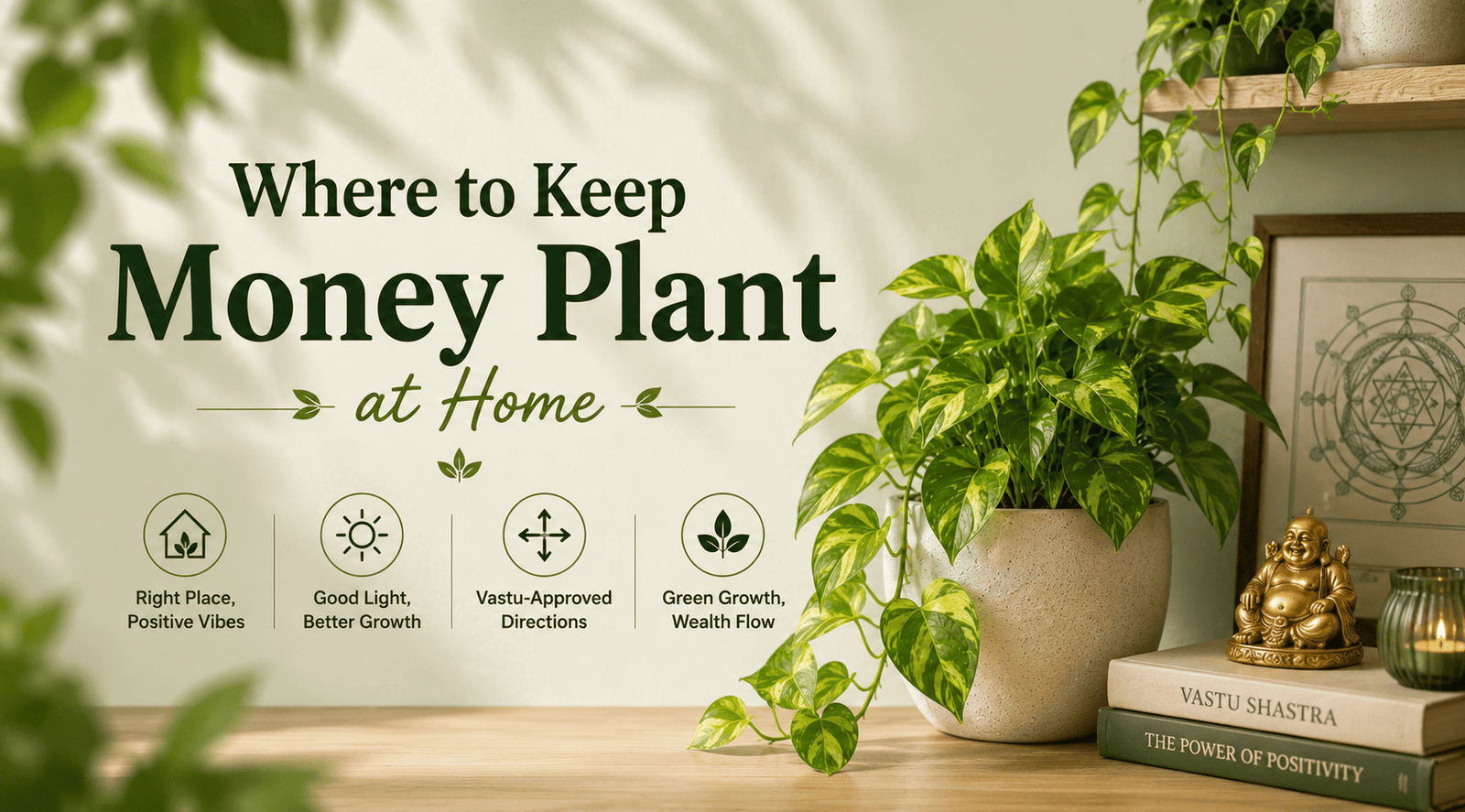
Vastu note: Traditional Vastu cautions against thorny plants at the main entrance. If this matters to you, bougainvillea works better on a side boundary wall than directly flanking the main door.
What it needs: Full sun, well-drained soil, infrequent deep watering once established, occasional pruning to keep the shape you want.
Jasmine (Mogra / Jasminum sambac)
If bougainvillea is the visual plant for Indian entrances, jasmine is the sensory one.
The fragrance of mogra — small white flowers, heady and sweet — is one of those scent-memories that stays with you permanently. Near an entrance, especially in the evening when the flowers open fully, it transforms the experience of coming home. Something in that fragrance signals safety and welcome in a way that purely visual plants simply can't.
Jasmine is traditionally auspicious in Indian culture, associated with devotion and purity. In Vastu Shastra, fragrant flowering plants at the entrance are considered highly positive — they invite pleasant energy into the home.
What it needs: Full to partial sun, regular watering, support to climb (a trellis, a gate, or a wooden frame), and periodic pruning after flowering to encourage new blooms.
Banana Plant (Kela)
For a grand Indian entrance — a bungalow gate, a large verandah, a garden path leading to the door — the banana plant makes a bold, deeply auspicious statement.
In Indian tradition, banana plants flanking an entrance are associated with prosperity and are a standard feature of festival and wedding decorations for a reason: they are considered among the most welcoming and auspicious plants in Hindu symbolism, associated with Lord Vishnu.
Dwarf varieties work for more compact spaces. They grow quickly, their large leaves create dramatic shade, and a pair of them on either side of a gate or door creates an entrance that is genuinely magnificent.
What they need: Full sun, rich soil, regular watering (they are thirsty plants), space to spread.
Tulsi (Holy Basil / Ocimum tenuiflorum)
No entrance plant guide for Indian homes is complete without tulsi.
Tulsi is the sacred plant of Indian homes — kept in a tulsi vrindavan (a raised planter, often with spiritual significance) and watered each morning as a daily ritual. Its placement at the entrance, facing east or northeast, is one of the most consistent recommendations across both Vastu Shastra and the lived practice of Indian homes across centuries.
The spiritual significance is real and deep. But so is the practical: tulsi actively purifies air, has documented antimicrobial properties, and the daily ritual of watering and tending it creates a mindful moment at the start of each day that many families find genuinely grounding.
What it needs: Direct morning sunlight (east or northeast facing), regular watering, well-drained soil, and the occasional harvest of leaves (which encourages fuller, bushier growth and is also the plant's purpose).
Areca Palm (Dypsis lutescens)
For a covered porch, verandah, or shaded entrance, the Areca Palm is the definitive statement plant. It's tall, graceful, and tropical in a way that immediately elevates any space. It's also one of the most recommended entrance plants globally — from five-star hotel lobbies to minimalist Scandinavian homes.
In Vastu, palms are associated with positive energy and growth. They work beautifully flanking a wide entrance in pairs.
What they need: Bright indirect light (protected from harsh afternoon sun), regular watering, well-drained soil.
For Global Climates
Boxwood (Buxus) — Topiary and Clipped Hedges
In temperate climates, clipped boxwood in simple geometric pots flanking a front door is the most classic entrance plant combination there is. It signals permanence, care, and quiet confidence. It works in formal and informal contexts.
Boxwood tolerates pruning into any shape, which is why it became the defining topiary plant. Spheres, cones, or simply densely clipped hedging — all look intentional and considered at an entrance.
What they need: Full to partial sun, moderate watering, and annual pruning to maintain the shape.
Olive Tree (Olea europaea)
Increasingly popular as a statement entrance plant in warmer climates globally and in parts of India with milder winters. An olive tree in a large terracotta pot flanking a door signals something Mediterranean, sun-drenched, and permanent. Olive trees are extraordinarily long-lived, slow-growing, and deeply characterful — the gnarled trunk of an older olive tree in a beautiful pot is genuinely stunning.
What they need: Full sun, excellent drainage, infrequent watering once established (they are drought-tolerant), and cold protection in very cold climates.
Lemon or Lime Tree (Citrus)
Citrus trees in pots are a wonderful entrance plant choice in warm climates — fragrant when flowering, beautiful when fruiting, and full of the bright, upward energy that an entrance should have.
In Vastu terms, fruit-bearing trees are associated with abundance and are appropriate for entrance spaces.
What they need: Full sun, regular feeding with a citrus-specific fertiliser, consistent watering (but not waterlogging), good drainage.
Indoor Entrance Plants: Creating Impact in a Hallway
For a hallway or lobby with reasonable ceiling height, a large floor plant is the most impactful single move you can make.
Fiddle Leaf Fig (Ficus lyrata)
The most dramatic hallway plant available. Tall, architectural, with enormous glossy leaves that photograph beautifully. It has a reputation for being difficult (it hates being moved, hates drafts, hates overwatering), but in a stable hallway position with bright indirect light, it can be stable and magnificent.
Bird of Paradise (Strelitzia reginae)
Enormous paddle-shaped leaves, architectural growth, and the bonus of striking orange flowers in the right conditions. It tolerates moderate light and makes a genuine statement in a hallway.
Monstera Deliciosa
The split-leaf philodendron has become one of the defining plants of contemporary interiors, and for good reason: the large, dramatically perforated leaves are genuinely beautiful. It grows quickly, tolerates moderate light, and in a hallway, creates an instant impression of tropical abundance.
Important Note on Pet Safety
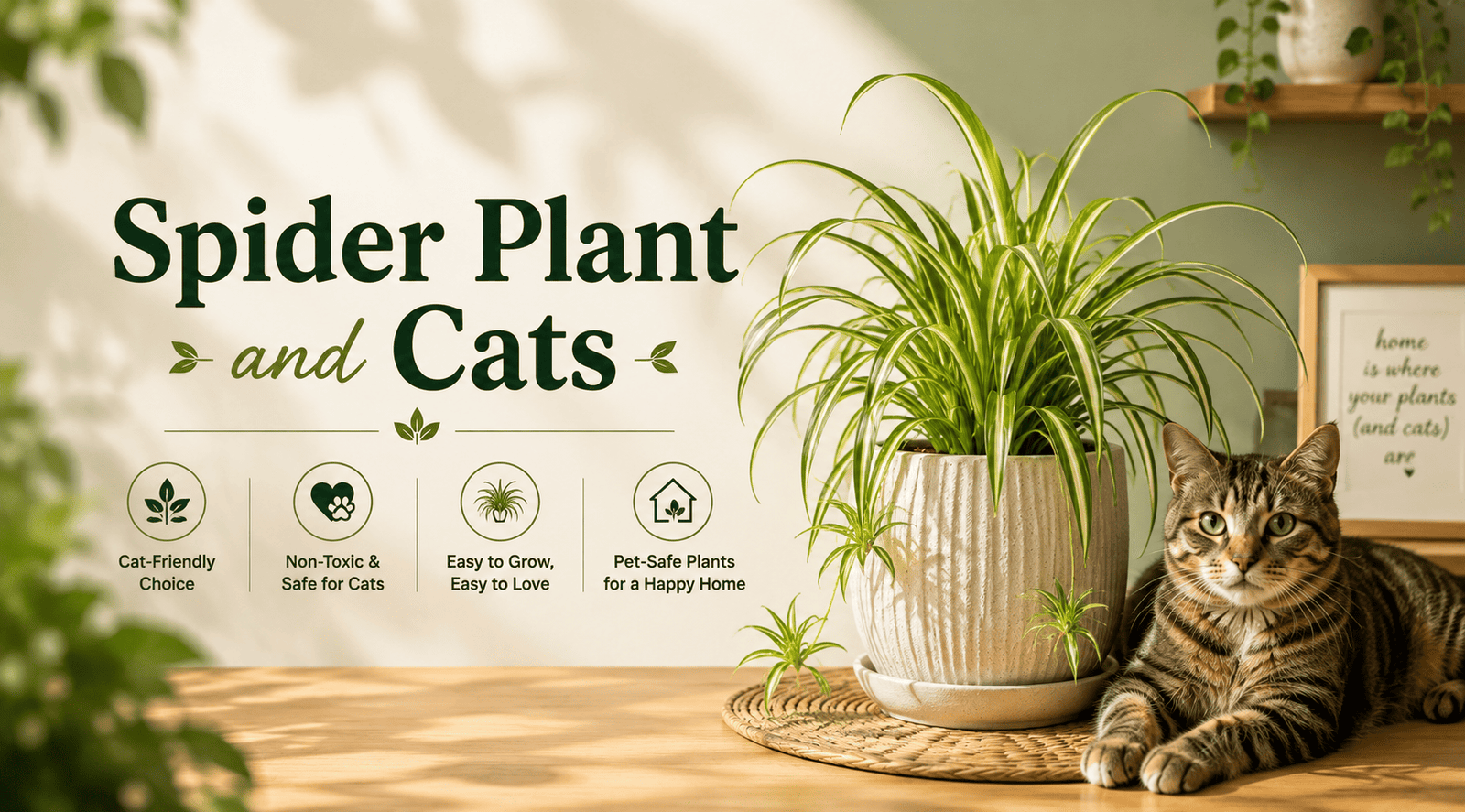
Fiddle leaf fig, bird of paradise, and monstera all have mild to moderate toxicity for pets. If dogs or cats have hallway access, consider the Areca Palm instead.
The Narrow Hallway: Going Vertical
For a narrow corridor where floor space is precious, the strategy shifts to vertical:
Snake Plant (Sansevieria)
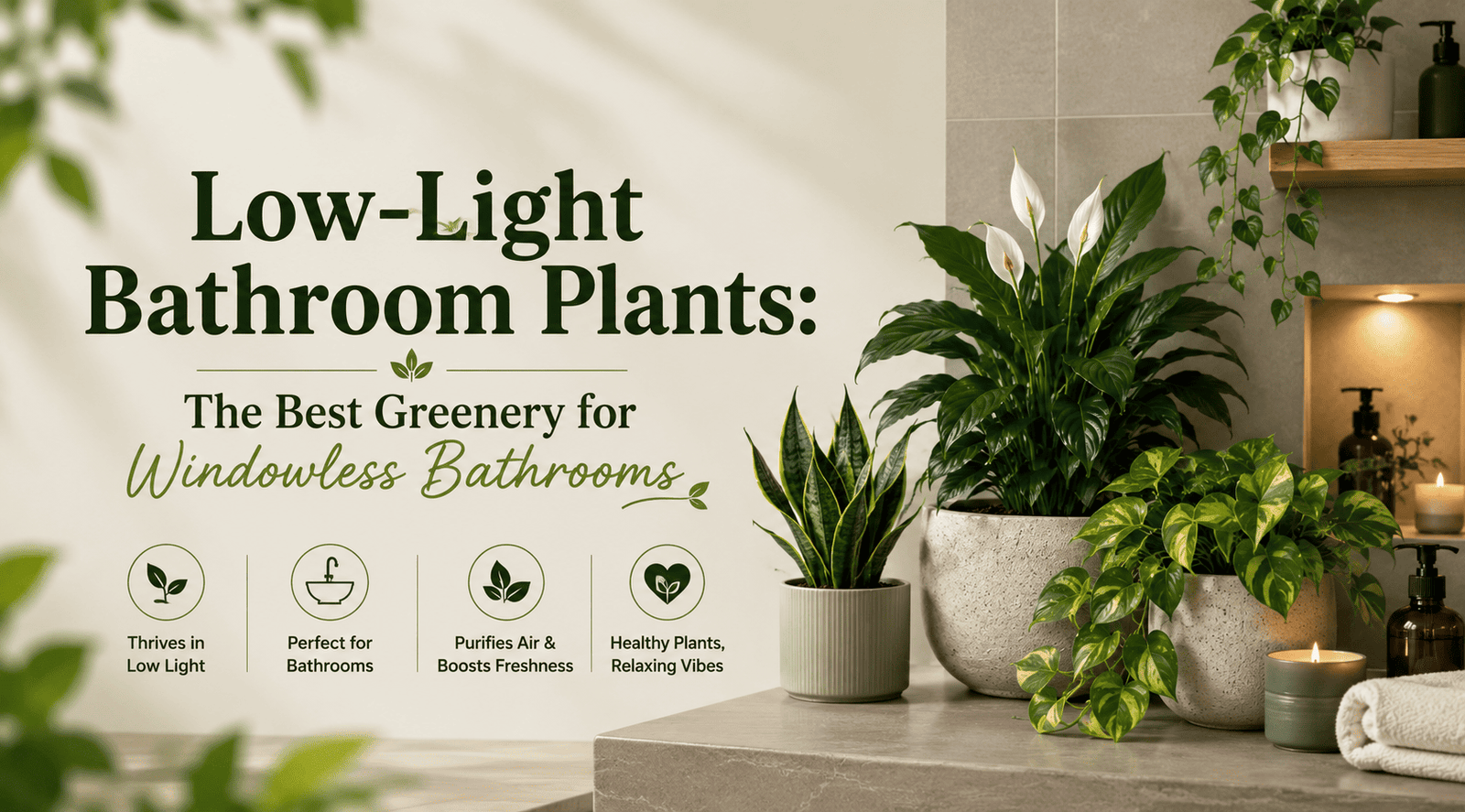
Tall, upright, architectural, and incredibly tolerant of the low-light, drafty conditions that hallways often present. A pair of tall snake plants in identical pots on either side of a door or corridor looks deliberate and elegant. And they genuinely do not need much light or water.
Column Cactus
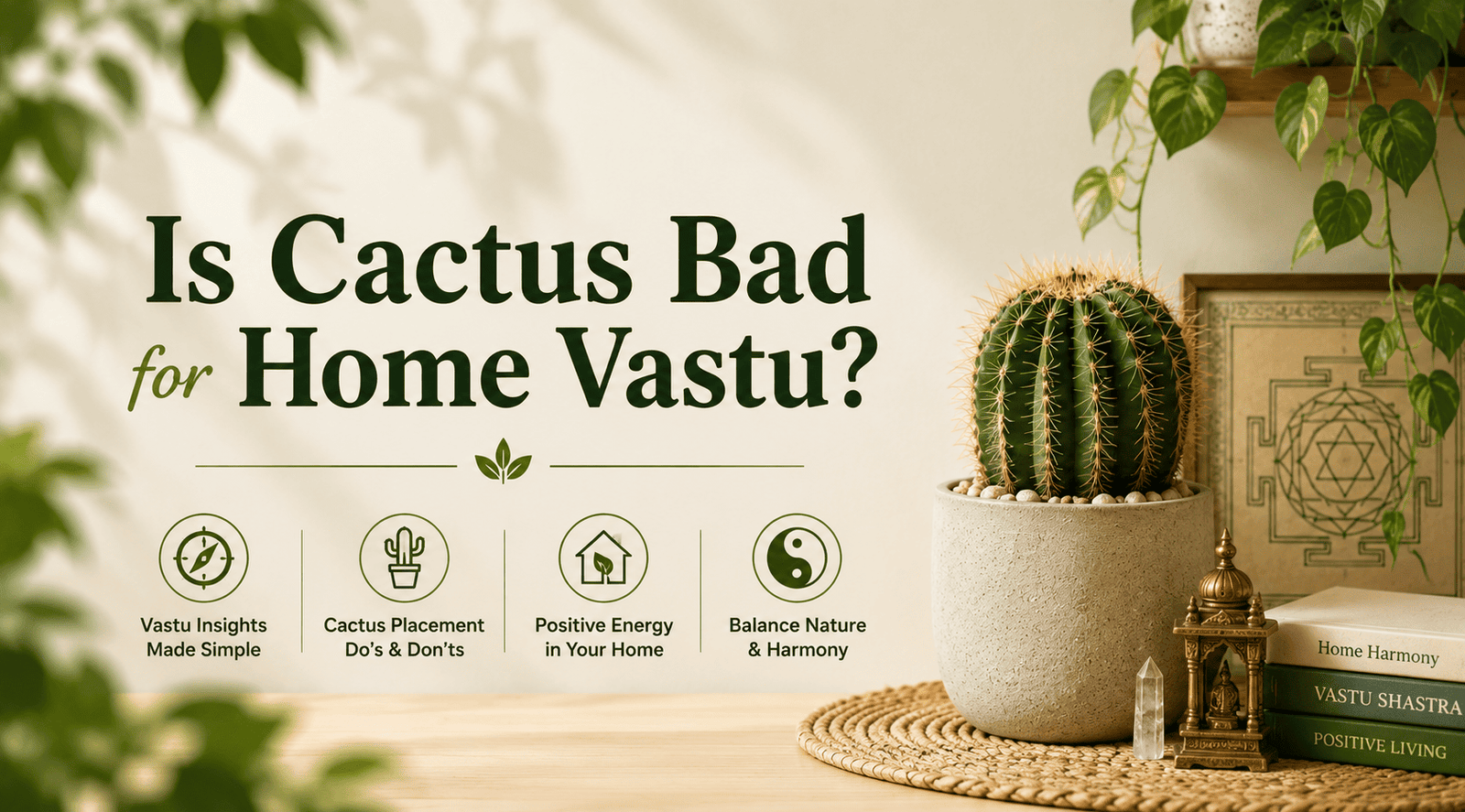
For a home with a modern or industrial aesthetic, a tall column cactus in a beautiful pot makes a dramatic, low-maintenance statement. Zero water needs, maximum visual impact.
Wall-mounted air plants (Tillandsia)
Mounted on a wooden panel or displayed in wall-mounted geometric frames, air plants create living wall art in a hallway with no floor space requirements. They need minimal care and no soil.
The Small Apartment Entrance
Many people in Indian cities — and globally — have what could charitably be called an "entrance" that is actually just the inside of their front door. A mat, some shoes, and not much else.
Here, the strategy is different. One plant, chosen perfectly, does more than ten plants chosen carelessly.
Choose for drama.
A single, beautifully potted snake plant, Areca Palm (mini variety), or Calathea orbifolia says far more than a collection of small, mismatched plants.
Choose for resilience.
The entrance is often the place in the home with least light and most neglect. Choose a plant that genuinely tolerates this.
Choose the right pot.
The pot matters as much as the plant in a small space. One plant in a beautiful, substantial ceramic pot is an intentional design statement. The same plant in a plastic nursery pot is just a plant that hasn't been properly dealt with.
Entrance Plants: Cultural & Energy Alignment
How Vastu Shastra and Feng Shui approach front door plant placement to invite health, prosperity, and positive energy into the home:
Entrance Plants and Vastu: The Key Principles
(See the full Vastu Plants guide for complete coverage — this is a summary of entrance-specific guidance.)
Feng Shui and the Front Door
(See the full Feng Shui Plants guide for complete coverage.)
Perfect Your Entrance Setup with PlantDecoder
Scan your entrance plants to instantly evaluate light levels, verify Vastu or Feng Shui alignment, and get customized care schedules.
Curb Appeal: Making Your Entrance Work From the Street
The entrance isn't just what you see when you're at the door — it's what the home presents to the street, to neighbours, to anyone who passes.
Symmetry creates authority.
Two identical plants in identical pots flanking a door or gate create a sense of balance, intention, and care. Asymmetry can be beautiful too, but it requires more skill to execute. When in doubt, use symmetry.
Scale to the architecture.
A tiny plant beside a large front door looks lost. A massive palm in a small doorway looks overwhelming. The plant's scale should complement the entrance's proportions.
Consider seasonality.
In Indian gardens, plants that bloom in cycles — bougainvillea, jasmine, marigold (in season) — keep the entrance dynamic and changing through the year. You're not looking for a single permanent solution but a layered approach.
Lighting extends the entrance.
An entrance plant that can't be seen in the dark is only half as effective. Simple uplighting or a nearby lamp that illuminates the plants in the evening extends their presence through the hours when you come home after dark.
Low-Maintenance Entrance Plants: For the Busy Household
If you travel frequently, have irregular schedules, or simply want an entrance that looks good without constant attention:
Snake Plant
Forgiving of neglect, tolerant of most light conditions, architectural and attractive. Water once every 2-3 weeks and it asks for nothing else.
Cast Iron Plant (Aspidistra elatior)
Lives up to its name. Tolerates deep shade, irregular watering, temperature swings, and complete neglect with equanimity. Not dramatic, but deeply reliable and quietly handsome.
ZZ Plant (Zamioculcas zamiifolia)
The glossy, dark green leaflets on arching stems look polished and considered. Tolerates low light and infrequent watering. Slowly but steadily impressive.
Succulents (for sunny entrances)
In a sunny spot with good drainage, a collection of succulents in a beautiful trough planter requires almost nothing from you. The challenge in Indian summers is shade from the most intense afternoon sun.
Quick Answers: What People Ask About Entrance Plants
Direct answers to the most common questions regarding home entrance plant selection, Vastu placement, and low-light care:
Which plant is best for home entrance according to Vastu?
What are the best plants for a front door in India?
Which plants are best for apartment entrance in India?
What plants bring good luck at the entrance?
How do I keep entrance plants alive if my entrance has no sunlight?
What are good low-maintenance entrance plants?
The Entrance as an Intention
Here's something that plant guides don't usually say: the entrance plant you choose is a statement about how you see your home.
The person who keeps a thriving, beautifully potted jasmine by their door is telling a story about fragrance and welcome. The person with a pair of architectural snake plants flanking their entrance is saying something about precision and care. The family with a tulsi in the northeast corner and banana plants for festivals is rooted in tradition and continuity.
None of these is the right choice. All of them are honest ones.
The entrance is the first line of your home's story. Plants are perhaps the most powerful way to write it with intention.
Choose what resonates, tend it well, and let it be the thing that welcomes you home every single time.
Stop Guessing. and Start Rescuing.
Join over 1,000+ plant parents who have permanently eliminated watering anxiety. Access instant Gemini AI leaf diagnostics and custom environmental care systems completely free.